
Recharge your nights to power your days.

In This Edition
The Sleep Reset: Simple Tweaks for Deeper, Longer Nights
Your Recovery Window: What Your Body Repairs While You’re Out
The Wind-Down Routine: A 20-Minute Plan That Actually Sticks
Fuel for Rest: Caffeine, Alcohol, Late Meals, and Timing That Matters
Wake Up Better: Morning Light, Movement, and Habits That Lock It In
Our Clinic Helps You Start Anew
The Role of Comprehensive Care in Preventing Relapse
The Sleep Reset: Simple Tweaks for Deeper, Longer Nights
Sleep isn’t just downtime—it’s the foundation of your energy, focus, mood, and long-term health. Yet for many people, restful sleep feels increasingly out of reach. The good news? You don’t need a complete lifestyle overhaul to see meaningful improvement. A few intentional adjustments to your daily routine and sleep environment can reset your body’s internal clock and help you drift into deeper, longer nights of restorative rest.
Make a few simple, consistent tweaks, and you’ll sleep deeper and wake up stronger.

Start with consistency. Going to bed and waking up at the same time every day—even on weekends—anchors your circadian rhythm, the internal system that regulates sleep and wakefulness. When your sleep schedule swings wildly, your body struggles to predict when it should power down. Choose a realistic bedtime that allows for at least seven to eight hours of sleep, and treat it like an appointment you wouldn’t cancel. Over time, your body will begin to feel naturally sleepy as that hour approaches.
Next, focus on light exposure. Morning sunlight is one of the most powerful tools for regulating sleep. Stepping outside for just 10–20 minutes within an hour of waking signals to your brain that the day has begun, helping set up a smoother wind-down at night. In the evening, reverse the strategy: dim overhead lights and reduce screen exposure at least an hour before bed. Blue light from phones and laptops can delay melatonin production, making it harder to fall asleep even if you feel tired.
Your wind-down routine matters more than you think. Rather than expecting your brain to switch off instantly, create a buffer zone between the busyness of the day and bedtime. Gentle stretches, reading a physical book, journaling, or taking a warm shower can cue your nervous system to relax. Keep your bedroom cool, dark, and quiet—small environmental tweaks like blackout curtains, a fan, or white noise can significantly improve sleep depth without requiring major changes.
Finally, watch the hidden sleep disruptors. Caffeine lingers in the body longer than most people realize, often six to eight hours or more, so consider cutting it off by early afternoon. Heavy meals, late-night alcohol, and irregular exercise patterns can also fragment sleep cycles. By making a handful of steady, manageable shifts—consistent timing, smarter light habits, calming rituals, and mindful consumption—you can reset your sleep naturally and wake up feeling clearer, steadier, and truly restored.
Your Recovery Window: What Your Body Repairs While You’re Out
When you step away from your desk, close your laptop, or drift off to sleep, your body doesn’t power down—it powers up. Your recovery window is the time when essential repairs, recalibrations, and rebuilding processes quietly take place behind the scenes. Whether it’s after a workout, a stressful meeting, or a long day on your feet, your body uses downtime as an opportunity to restore balance. Understanding what happens during this window can help you protect it, optimize it, and stop underestimating its value.
One of the biggest repair jobs happens in your muscles and connective tissues. During rest—especially sleep—your body increases protein synthesis, which rebuilds microscopic muscle damage from exercise and daily movement. This is when you actually get stronger. Growth hormone release peaks during deep sleep, accelerating tissue repair and supporting bone health. Skip rest, and you don’t just feel sore longer—you interrupt the very process that makes progress possible.

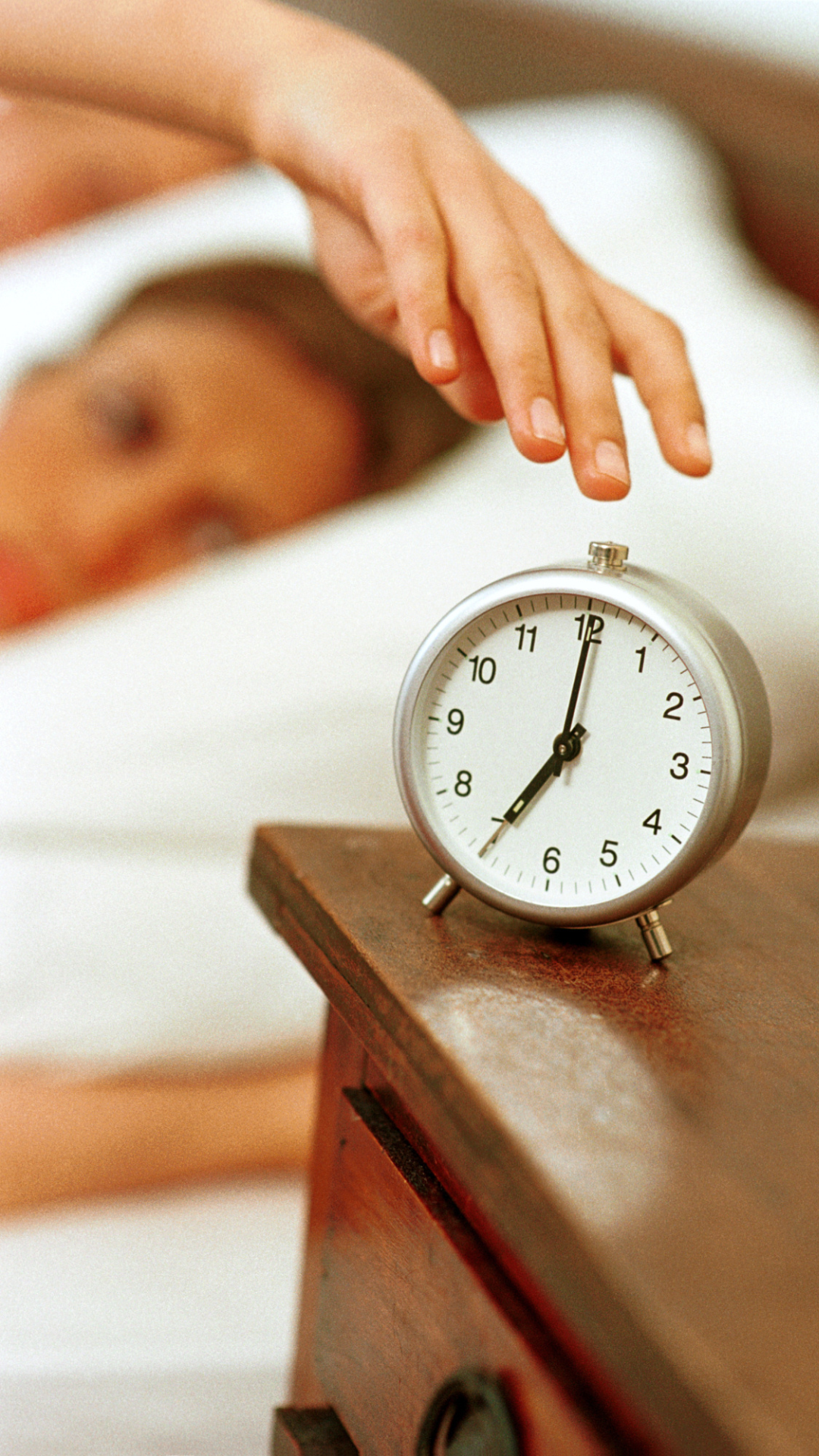

Your brain also enters a powerful restoration mode. While you sleep, the glymphatic system activates, flushing out metabolic waste products that accumulate throughout the day. At the same time, your brain consolidates memories, processes emotions, and strengthens neural connections. This is why things often feel clearer in the morning and why chronic sleep deprivation affects focus, mood, and decision-making. Mental sharpness isn’t built during hustle—it’s refined during recovery.
Hormones and immune function also recalibrate in your recovery window. Cortisol levels drop, allowing your nervous system to shift from fight-or-flight into rest-and-digest. Your immune system releases cytokines that help fight infection and reduce inflammation. Blood pressure lowers, heart rate stabilizes, and digestion improves. These subtle internal adjustments keep your systems resilient and responsive. When recovery is consistently cut short, stress compounds and inflammation lingers.
Protecting your recovery window isn’t indulgent—it’s strategic. Prioritizing quality sleep, taking intentional breaks, nourishing your body, and managing stress are all ways to give your internal repair crew the time it needs to work. The next time you feel tempted to push through exhaustion, remember: progress isn’t only made during effort. It’s cemented during recovery. Your body is always ready to rebuild—you just have to give it the space to do so.
The Wind-Down Routine: A 20-Minute Plan That Actually Sticks
We all know we *should* wind down before bed—but good intentions often get replaced by “just one more scroll” or squeezing in a few last-minute tasks. The key to a routine that actually sticks isn’t complexity; it’s simplicity. A sustainable wind-down plan should feel calming, predictable, and easy enough to repeat every night. With just 20 intentional minutes, you can signal to your brain that the day is done and sleep is on its way.
Start with five minutes of physical reset. Dim the lights, silence notifications, and step away from screens. Then do something gentle to release built-up tension—slow stretching, a few yoga poses, or even standing forward folds to relax your neck and shoulders. Pair this with slow breathing: inhale for four counts, exhale for six. This simple shift begins moving your nervous system from “go mode” to “slow mode.”
Next, spend ten minutes on a calming, low-stimulation activity. The goal isn’t productivity—it’s transition. Read a few pages of a physical book, jot down lingering thoughts in a notebook, or write tomorrow’s top three priorities to clear mental clutter. If your mind tends to race at night, this step is especially powerful. Putting thoughts on paper reassures your brain that nothing important will be forgotten by morning.
Finish with five minutes of sensory cues that tell your body it’s safe to sleep. Wash your face, brush your teeth, and change into comfortable sleepwear. These small, consistent actions act as behavioral signals that bedtime is approaching. If helpful, add a subtle anchor like a specific herbal tea, a light lavender scent, or soft instrumental music. Repetition turns these cues into powerful triggers for drowsiness.
The magic of a 20-minute wind-down routine is not in perfection but in consistency. Keep it short enough that you won’t skip it and familiar enough that it feels automatic. Over time, your brain will associate these steps with rest, making it easier to fall asleep without effort. When your evenings have a clear ending, your nights can finally begin.

Commit to a steady sleep schedule, protect your evenings, and your body will reward you with deeper rest and brighter mornings.
Fuel for Rest: Caffeine, Alcohol, Late Meals, and Timing That Matters
What you consume—and when you consume it—plays a powerful role in how well your body recovers. Sleep isn’t just about duration; it’s about quality, rhythm, and the internal signals that tell your body it’s safe to power down. Caffeine, alcohol, heavy meals, and inconsistent timing can all interfere with that process in subtle but significant ways. If recovery is the goal, your evening habits matter just as much as your morning routine.
Caffeine is one of the most common disruptors of rest. With a half-life of roughly five to seven hours (and longer for some individuals), that afternoon coffee can still be circulating in your system at bedtime. Caffeine blocks adenosine, the chemical that builds sleep pressure throughout the day, delaying your ability to feel truly tired. Even if you fall asleep, residual stimulation can reduce deep sleep quality. Being mindful of timing—ideally cutting off caffeine at least six to eight hours before bed—can dramatically improve your recovery window.

Alcohol often feels like it helps with sleep because it can make you drowsy, but its effects are misleading. While it may shorten the time it takes to fall asleep, alcohol fragments sleep cycles later in the night and suppresses REM sleep. As your body metabolizes it, heart rate can increase and sleep becomes lighter and more restless. The result is waking up feeling unrefreshed, even after a full night in bed. Moderating intake and avoiding alcohol close to bedtime helps protect the deeper, more restorative stages of sleep.
Late or heavy meals can also disrupt recovery. Eating large portions too close to bedtime forces your body to prioritize digestion when it should be shifting into repair mode. This can increase body temperature, trigger acid reflux, or cause blood sugar fluctuations that interrupt sleep. On the other hand, going to bed overly hungry can also be disruptive. A balanced approach—finishing larger meals two to three hours before bed and opting for a light, protein-forward snack if needed—supports steady blood sugar and smoother rest.
Timing, ultimately, is the quiet variable that ties it all together. Your circadian rhythm thrives on consistency. Regular sleep and meal schedules help regulate hormones like melatonin, cortisol, and insulin, all of which influence recovery. When your body can predict when it will eat, wind down, and sleep, it operates more efficiently. Rest isn’t just about what you avoid—it’s about aligning your choices with your body’s natural rhythms so that every night becomes a true opportunity to repair and recharge.
Wake Up Better: Morning Light, Movement, and Habits That Lock It In
How you wake up shapes how you live the next 16 hours. While many of us focus on nighttime routines, the science of better sleep and sharper days often begins at sunrise. Your brain and body run on a circadian rhythm—a 24-hour internal clock that responds primarily to light and movement. When you align your mornings with that rhythm, you don’t just feel more awake; you stabilize energy, improve mood, and make better decisions throughout the day.
The single most powerful lever is morning light. Within the first 30 to 60 minutes of waking, aim to get natural sunlight into your eyes (without looking directly at the sun). Step outside for 5–15 minutes on bright days, or 20–30 minutes if it’s cloudy. This light exposure signals your brain to suppress melatonin, increase cortisol at the right time, and start a timer that will help you feel sleepy again 14–16 hours later. Consistency is key—morning light at roughly the same time each day anchors your entire sleep-wake cycle.
Pair that light with gentle movement to amplify the effect. You don’t need an intense workout; a brisk walk, mobility flow, or a few bodyweight exercises are enough to raise your heart rate and body temperature. Movement boosts circulation, increases dopamine, and reinforces the “it’s daytime” signal your brain just received from sunlight. Over time, this combination builds a reliable sense of morning alertness that doesn’t depend solely on caffeine.
Speaking of caffeine, timing matters. After waking, your body naturally releases cortisol to help you feel alert. Waiting 60–90 minutes before your first cup of coffee can prevent you from stacking caffeine on top of peak cortisol, reducing afternoon crashes and dependency. Use that first hour for light, hydration, and motion instead. You may find you need less caffeine overall—and that it works better when you do use it.
Finally, lock the habit in with simplicity and repetition. Lay out workout clothes the night before. Decide exactly where you’ll get light and how you’ll move. Keep the routine short enough that you can do it even on busy days. The goal isn’t a perfect morning; it’s a repeatable one. When morning light, movement, and mindful habits become automatic, better sleep and steadier energy stop being goals—and start being your baseline.


Catch morning light and move a little—set your rhythm, own your day.