
Educating and inspiring seniors with the latest, credible advancements.

In This Edition
What Cellular Senescence Is—and Why It Matters in Longevity
Clearing the Path to Healthy Aging: The Promise of Senolytic Drugs
From Genes to Years: Understanding the DNA of Longevity
Rewriting Your Genetic Story: How Lifestyle Shapes Longevity
The New Science of Longevity: Exploring Anti-Aging Therapies
Regenerating Youth: Stem Cell Science and the Future of Aging
Inside the Fast: Boosting Longevity Through Autophagy
Mimetic Compounds for Longevity: Exploring the Potential of Resveratrol and Beyond
Links Between Inflammation, Gut Health, and Age-Related Diseases
Healthy Gut, Healthy Years: What Science Says About Gut Flora and Aging
Secrets from the Blue Zones: How the World’s Oldest People Live
The Everyday Longevity Plan: How to Apply Blue Zone Principles at Home
Biological vs Chronological Age: What Matters More for Healthy Aging?
The Digital Crystal Ball: Predicting Lifespan Through Health Data
AI Meets Aging: The Next Frontier in Personalised Health
Frequently Asked Questions
What Cellular Senescence Is—and Why It Matters in Longevity
Cellular senescence is a biological phenomenon where cells permanently stop dividing but do not die. This response is typically triggered by stressors such as DNA damage, oxidative stress, or the shortening of telomeres—the protective caps at the ends of chromosomes. In this state, cells remain metabolically active but cease to proliferate. Originally, this mechanism evolved as a crucial defense against cancer, preventing damaged cells from becoming malignant.
Cellular senescence is aging’s hidden engine—silent but powerful, and now a promising target for living not just longer, but better.

However, senescent cells don’t simply go quiet. They begin to secrete a mix of inflammatory cytokines, growth factors, and enzymes—a cocktail known as the Senescence-Associated Secretory Phenotype (SASP). In the short term, SASP plays beneficial roles in wound healing and tissue repair. But over time, especially if the immune system fails to clear these cells efficiently, their persistent presence can contribute to chronic inflammation and tissue dysfunction.
The effects of cellular senescence aren’t uniform across all tissues or age groups. In younger individuals, senescence tends to be better regulated, with immune cells more actively clearing out these dysfunctional cells. But with age, immune surveillance weakens, and senescent cells linger longer, leading to a compounding effect on aging tissues. This imbalance can drive the progression of various conditions and compromise the body’s ability to regenerate and repair.
As we age, the accumulation of senescent cells becomes more pronounced. These cells build up in various tissues, from joints to blood vessels, and are increasingly associated with age-related diseases such as osteoarthritis, atherosclerosis, type 2 diabetes, and even neurodegenerative conditions. The toxic microenvironment they create can also impair the function of nearby healthy cells, accelerating the overall aging process.
In the field of longevity research, cellular senescence has become a critical focus. Scientists are exploring therapies called senolytics—compounds designed to selectively eliminate senescent cells—as well as senomorphics, which suppress their harmful secretions without killing the cells. Early studies in mice show that clearing senescent cells can extend lifespan, reduce frailty, and delay the onset of age-related diseases.
Understanding and targeting cellular senescence could lead to groundbreaking interventions that not only extend lifespan but also improve healthspan—the years of life spent in good health. In this way, senescence is no longer seen as just a hallmark of aging, but a potential lever for reshaping how we age.
Clearing the Path to Healthy Aging: The Promise of Senolytic Drugs
Senolytic drugs are a new and promising type of therapy developed to remove aging cells, known as senescent cells, from the body. These cells have stopped dividing due to damage or age, but instead of dying off, they linger in tissues and cause trouble. While senescence helps prevent damaged cells from turning into cancer, too many of these inactive cells can contribute to chronic inflammation and a decline in tissue function over time.
As we grow older, senescent cells accumulate and begin releasing harmful substances. These include inflammatory chemicals, tissue-degrading enzymes, and signals that can prompt nearby healthy cells to stop functioning properly or become senescent themselves. This process is linked to a wide range of age-related conditions, such as osteoarthritis, cardiovascular disease, fibrosis, and cognitive decline.
Senolytic drugs are designed to specifically target and destroy these damaged cells without harming healthy ones. They do this by blocking the survival mechanisms that senescent cells use to resist death. By disabling these internal defenses, senolytics help the body eliminate senescent cells more effectively, potentially reducing inflammation and improving tissue health.

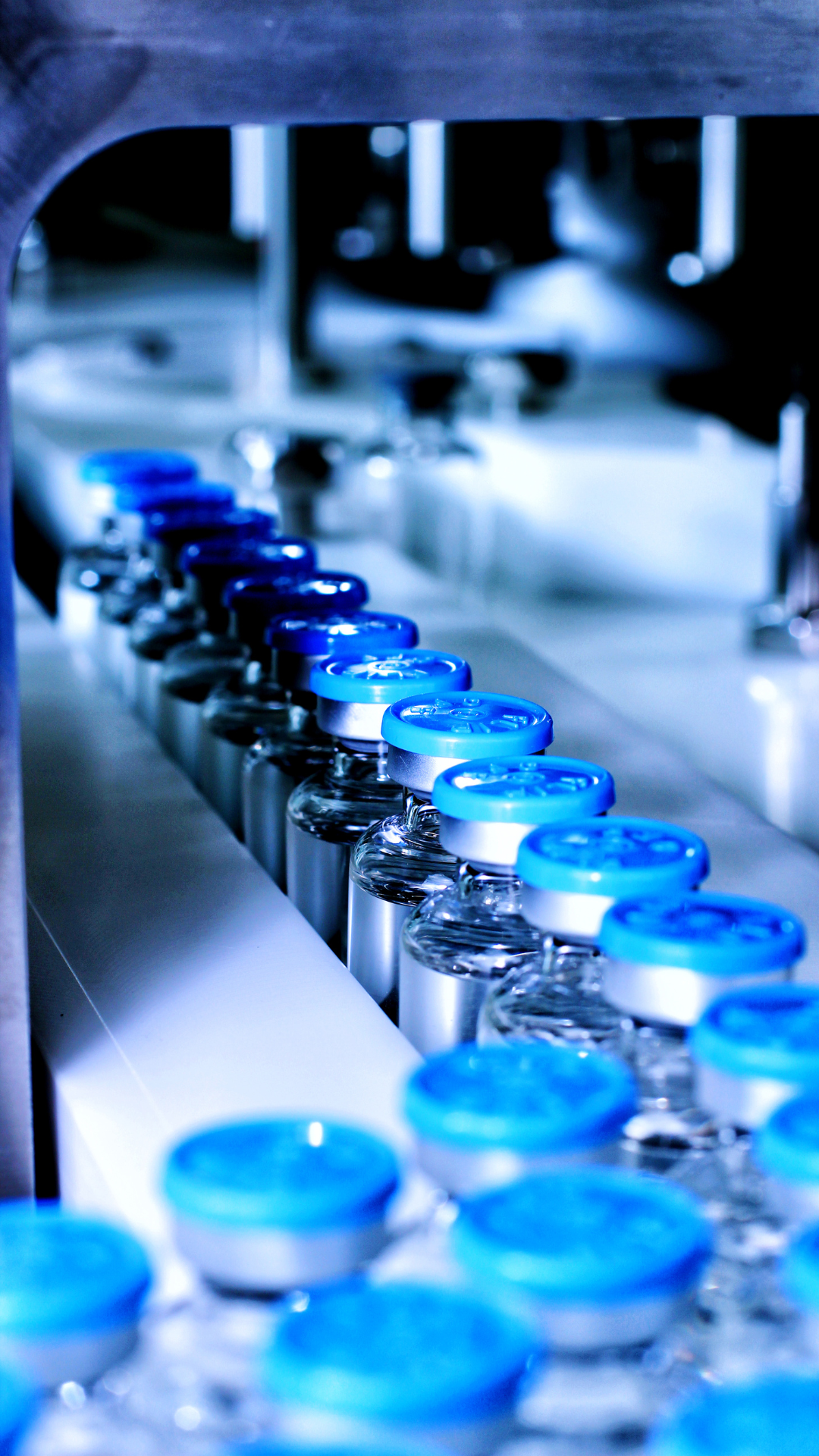
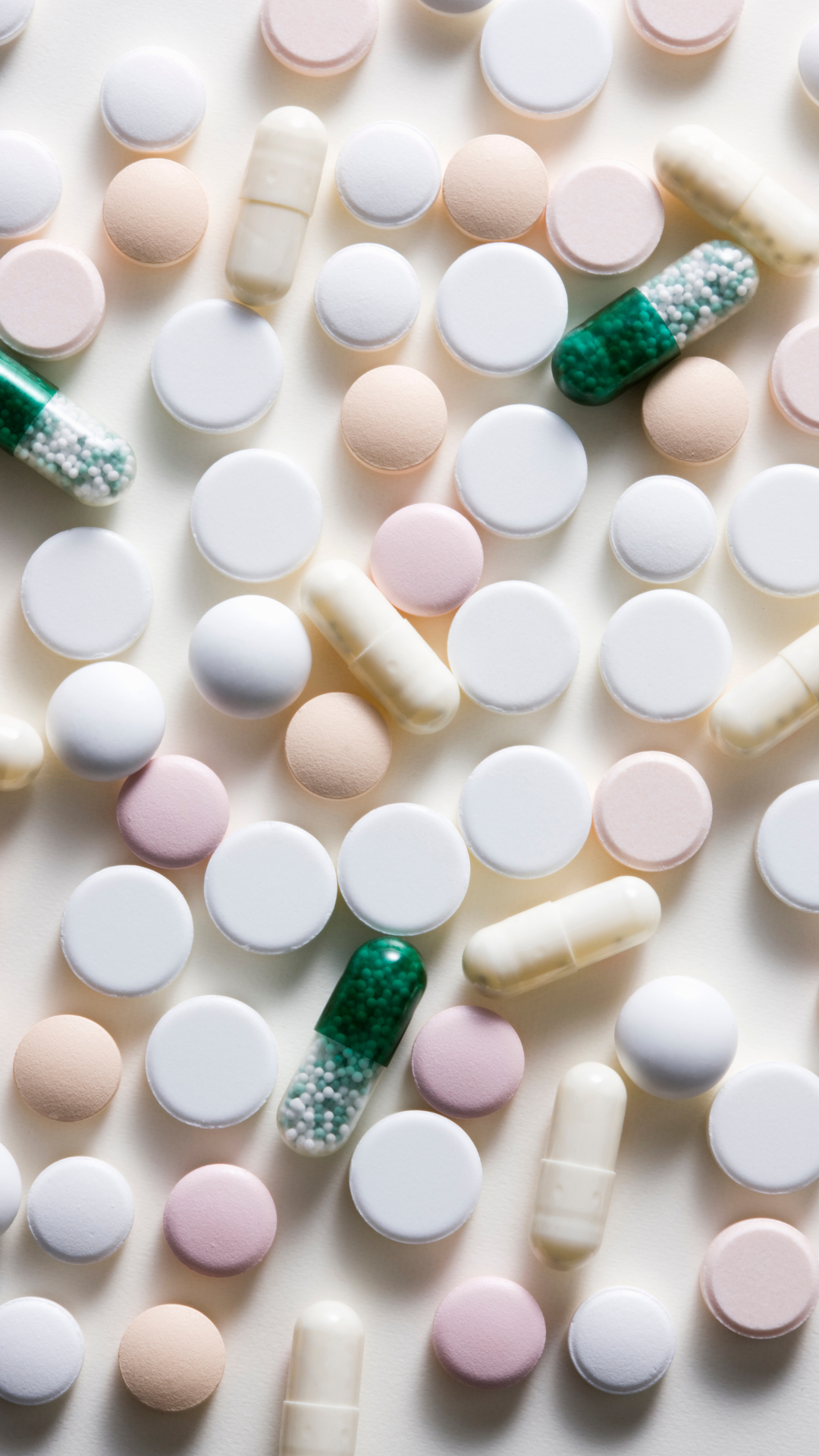
One combination that has been studied in both animals and humans is dasatinib and quercetin. Together, these compounds have shown promise in improving mobility and reducing markers of aging. Another potential senolytic, fisetin, is a natural substance found in foods like strawberries and apples and is being explored for its ability to lower inflammation and remove senescent cells. More potent pharmaceutical candidates, such as navitoclax, are also under investigation for their targeted effects on the survival pathways of these aging cells.
Although senolytic research is still in its early stages, the findings so far are encouraging. These drugs may become a vital part of future medicine—not just to extend how long we live, but to help us stay healthier and more active as we age.
From Genes to Years: Understanding the DNA of Longevity
Why do some people live well into their 90s with little illness, while others face serious health challenges much earlier? One part of the answer lies in our genes. Scientists are increasingly uncovering how specific genetic markers—small variations in DNA—can influence how long and how well we live.
Genetic markers are identifiable sequences in our DNA that may be linked to particular traits or risks, including longevity. Some people inherit gene variants associated with stronger heart health, better cellular repair, or more efficient metabolism. Others may carry markers linked to increased risk of age-related diseases like Alzheimer’s, diabetes, or certain cancers.
One well-studied marker is the APOE gene, particularly its variants. People with the APOE4 variant have a higher risk of developing Alzheimer’s disease, while those with APOE2 may have some protection against cognitive decline. Another set of genes, related to telomere length, plays a role in how quickly our cells age. Telomeres are protective caps at the ends of chromosomes, and shorter telomeres are associated with a shorter lifespan and increased disease risk.
However, genes are not destiny. While genetic markers can give us clues about lifespan potential, lifestyle and environment play an equally powerful role. Nutrition, physical activity, mental health, exposure to toxins, and access to healthcare all interact with our genetic makeup to shape our aging process.
Researchers hope that by studying genetic markers, they’ll one day be able to offer more personalized approaches to aging—such as early interventions, targeted therapies, and even gene-based treatments. For now, understanding your genetic background may offer useful insights, but it’s the choices you make every day that have the biggest impact on how well—and how long—you live.
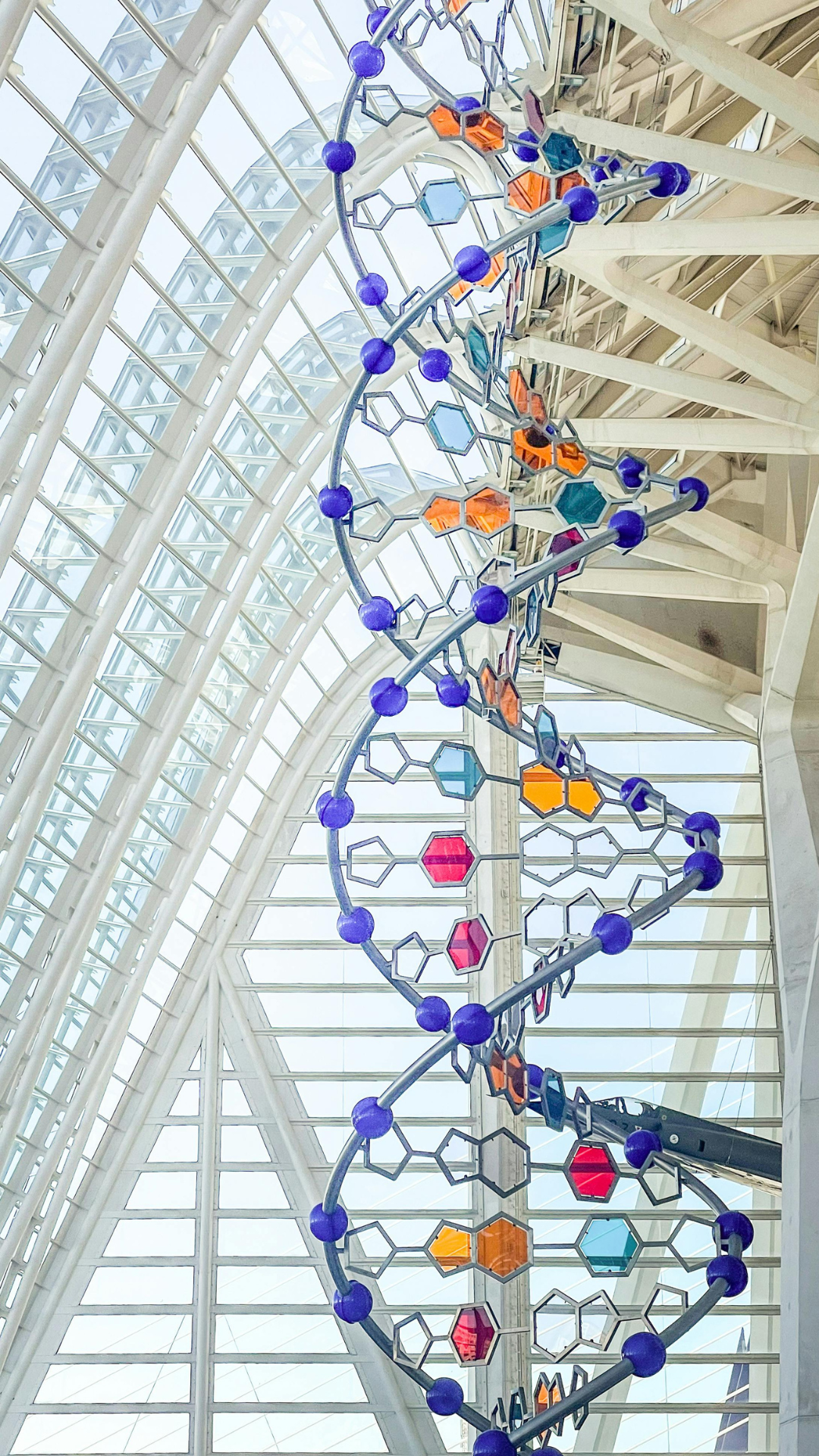
Longevity may be written in your genes, but how you live decides how the story unfolds.
Rewriting Your Genetic Story: How Lifestyle Shapes Longevity
While we inherit our genes from our parents, the way those genes function isn’t set in stone. This is where epigenetics comes in—a fascinating field of science showing that our daily choices can influence how our genes behave. Unlike genetic changes, which alter the DNA code itself, epigenetic changes affect how genes are turned “on” or “off.” These switches can significantly impact how we age, how we heal, and how long we live.
Everything from what we eat, how much we move, how well we sleep, to how we handle stress can trigger epigenetic changes. For example, a diet rich in vegetables, healthy fats, and antioxidants can promote protective gene activity, while excessive processed foods or chronic stress may switch on genes linked to inflammation and disease.

Exercise is another powerful epigenetic tool. Regular physical activity doesn’t just benefit your muscles or heart—it can activate genes related to metabolism, cellular repair, and brain health. Sleep and stress management play similar roles. Poor sleep and chronic anxiety may lead to negative gene expression patterns that accelerate aging and raise the risk of illness.
What’s especially hopeful about epigenetics is its flexibility. Unlike your fixed DNA sequence, epigenetic changes can often be reversed or improved with lifestyle adjustments. This means that even later in life, it’s possible to positively influence gene expression to support healthy aging.
In short, while you may not be able to change your genes, you can shape how they express themselves. By making mindful choices—eating well, staying active, sleeping deeply, and managing stress—you give your body the best chance to age gracefully and stay resilient for years to come.
The New Science of Longevity: Exploring Anti-Aging Therapies
In recent years, science has made remarkable strides in unraveling the mechanisms behind aging—and more importantly, in discovering ways to potentially slow it down. A rapidly expanding area of research is focused not just on increasing lifespan, but on extending healthspan—the number of years a person remains healthy, active, and free from serious disease. This shift in focus has led to a surge of interest in anti-aging therapies, particularly in repurposed medications that may help prevent or delay age-related decline.
Two of the most discussed compounds in this space are metformin and rapamycin, both of which have long histories in clinical medicine but are now being studied through a new lens. Originally developed to treat type 2 diabetes, metformin appears to have broader effects on metabolism and cellular health. It improves how the body processes glucose and insulin, reduces chronic inflammation, and encourages cellular repair—all of which are factors implicated in aging. Some observational studies suggest that people taking metformin not only live longer but also have lower incidences of cancer, cardiovascular disease, and cognitive decline—even when compared to people without diabetes.
Rapamycin, on the other hand, was first introduced as an immunosuppressant to help prevent organ transplant rejection. It targets a protein complex called mTOR (mechanistic Target of Rapamycin), which regulates cell growth, metabolism, and aging. By selectively inhibiting mTOR activity, rapamycin has been shown in animal models to extend lifespan, improve immune resilience, and even enhance cognitive function. Current human trials are investigating whether intermittent, low-dose administration could harness these benefits without triggering unwanted side effects like immunosuppression.
Beyond metformin and rapamycin, other promising anti-aging interventions are under active investigation. These include NAD+ boosters (such as nicotinamide riboside or nicotinamide mononucleotide), which support energy production and DNA repair; senolytics, which selectively eliminate senescent cells that contribute to inflammation and tissue damage; and peptides, short chains of amino acids that promote tissue regeneration and hormonal balance. While none of these treatments have yet been fully approved as standard anti-aging therapies, they represent a fast-evolving frontier in longevity science.
Still, it’s important to recognize that no medication can substitute for a strong foundation of healthy living. Anti-aging drugs, no matter how promising, are most effective when paired with consistent habits: a balanced diet rich in nutrients, regular physical activity, restorative sleep, and effective stress management. These lifestyle choices remain the cornerstone of long-term wellness and are often the first line of defense against premature aging.
As research continues to progress, anti-aging therapies may one day become part of mainstream preventive care, empowering older adults to maintain vitality, independence, and quality of life well into advanced age. While the science is still evolving, the future of aging may look far more optimistic than it once did.

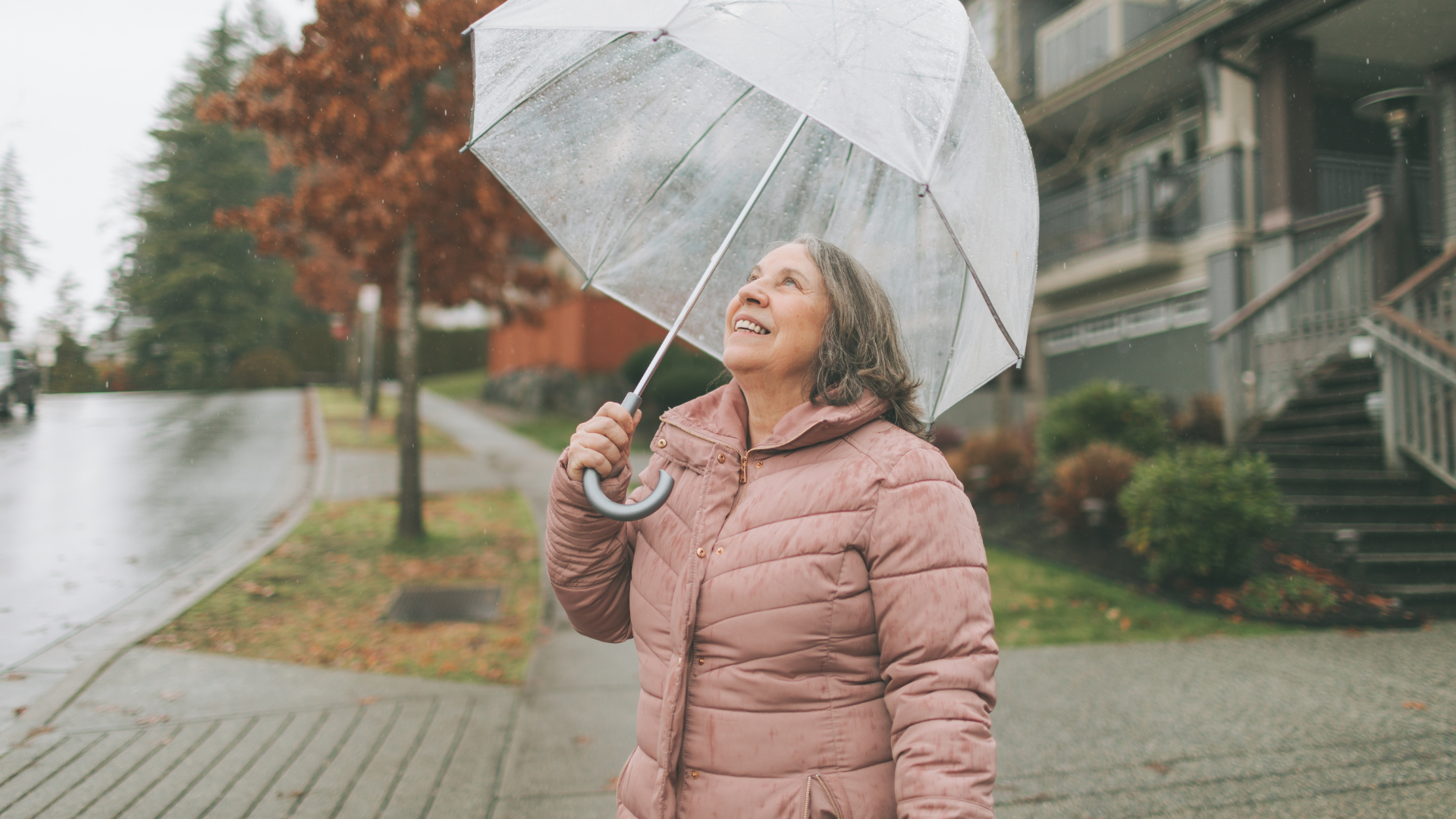

The future of aging isn’t just about living longer—it’s about living sharper, stronger, and healthier, with science and lifestyle working hand in hand.
Regenerating Youth: Stem Cell Science and the Future of Aging
Stem cells are the body’s raw materials—unspecialized cells with the remarkable ability to develop into various types of tissue, including muscle, bone, blood, and nerve. They serve as the foundation for growth and repair, replenishing damaged or aging tissues throughout life. However, as we grow older, both the number and vitality of our stem cells diminish. This decline contributes significantly to the body’s reduced capacity to regenerate itself and plays a key role in the development of many age-related conditions and chronic diseases.
Stem cell science is turning back the biological clock—tapping the body’s own repair kit to help aging cells heal, renew, and thrive.
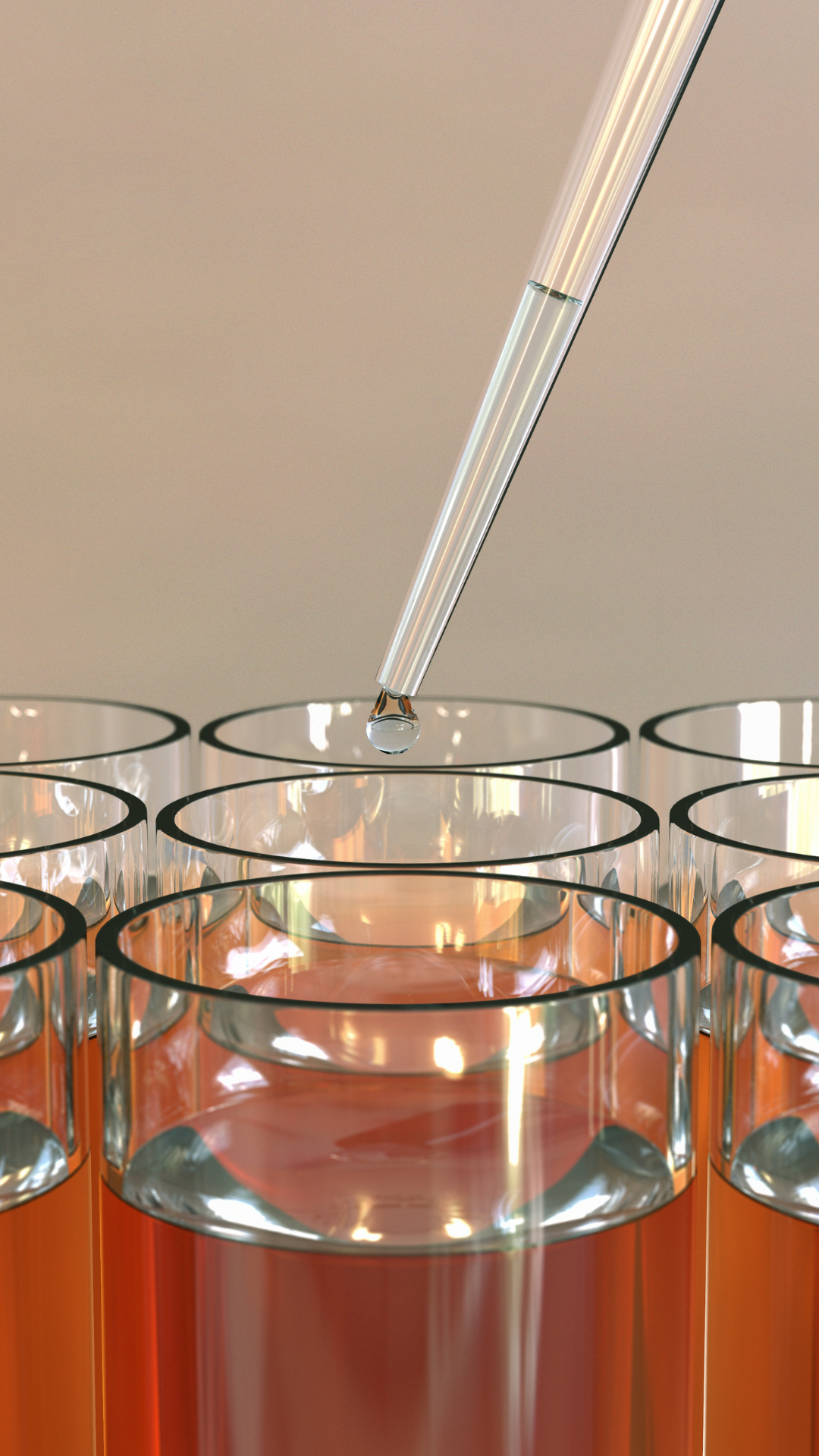
Scientists are now exploring how to harness the regenerative power of stem cells to slow or potentially reverse aging processes. The central idea is both simple and powerful: by restoring stem cell function—either by rejuvenating existing cells or introducing new, healthy ones—we may be able to enhance tissue repair, restore physiological balance, and delay the onset of degenerative diseases. In early clinical studies, stem cell-based therapies have shown encouraging results in improving mobility, healing heart tissue after injury, and boosting immune response in older individuals.
There are several promising approaches under investigation. One strategy involves autologous stem cell therapy, where a patient’s own stem cells are collected, expanded in the laboratory, and then reintroduced into the body. The goal is to provide a fresh supply of more robust and responsive cells that can better support healing and regeneration. Another method focuses on using stem cell-derived factors—such as growth factors, cytokines, and extracellular vesicles—to stimulate the body’s own cells to function more effectively. These signaling molecules can help activate repair pathways without the need to implant whole cells, potentially reducing risks and regulatory complexity.
Stem cell therapy is already being applied in clinical settings for certain medical conditions. For example, hematopoietic stem cell transplants are a standard treatment for blood cancers like leukemia and lymphoma. In orthopedics, mesenchymal stem cells are being used experimentally to treat osteoarthritis, cartilage degeneration, and tendon injuries. These applications provide valuable insights into the safety and effectiveness of regenerative therapies, paving the way for broader use in age-related decline.
However, challenges remain. Ensuring consistent quality and potency of stem cell products, minimizing the risk of immune reactions or abnormal growth, and developing long-term data on outcomes are all essential before these therapies can be widely adopted for longevity and general anti-aging purposes. Regulatory oversight also varies significantly between countries, which influences how quickly such treatments can be brought to the public.
Still, the potential is extraordinary. Imagine being able to restore damaged organs, rebalance a weakening immune system, or heal tissues that would otherwise degrade with time—all using the body’s own biological toolkit. While the science is still in development, stem cell rejuvenation stands at the forefront of regenerative medicine and may ultimately redefine how we treat aging—not as an inevitable decline, but as a process that can be managed, repaired, and possibly reversed. The future of healthy aging could be built, quite literally, cell by cell.
Inside the Fast: Boosting Longevity Through Autophagy
Intermittent fasting has gained popularity not just as a weight-loss strategy, but as a potential tool for promoting longevity. Its appeal lies in more than just calorie control—it activates important biological processes that may help slow aging, support cellular repair, and reduce the risk of age-related diseases. One of the most important of these processes is autophagy.
Autophagy is the body’s natural way of cleaning out damaged cells and recycling cellular components. Think of it as a built-in housekeeping system. As we age, autophagy tends to slow down, which can lead to the accumulation of cellular waste and malfunctioning cells—both of which contribute to aging and disease. Intermittent fasting helps stimulate autophagy by putting mild, temporary stress on the body that triggers this cleanup response.



Different intermittent fasting patterns exist, such as the 16:8 method (fasting for 16 hours, eating during an 8-hour window) or alternate-day fasting. These schedules aim to give the body enough time in a fasted state to promote autophagy and metabolic reset. During fasting periods, insulin levels drop and the body shifts from using glucose to burning fat, which may reduce inflammation and improve cellular resilience.
Studies in animals have shown that intermittent fasting can extend lifespan, improve heart and brain health, and reduce the risk of diseases like diabetes and cancer. While human studies are still ongoing, early evidence suggests similar benefits—particularly in improving metabolic health, reducing markers of inflammation, and supporting healthy aging.
It’s important to approach fasting cautiously, especially for older adults with specific health conditions or those taking medications. Always speak with a healthcare provider before starting a fasting routine.
When done safely and thoughtfully, intermittent fasting may be a simple but powerful way to support the body’s natural repair mechanisms, improve longevity, and promote a healthier life.
Mimetic Compounds for Longevity: Exploring the Potential of Resveratrol and Beyond
As scientists continue to study how we age, one promising area of research focuses on mimetic compounds—natural or synthetic substances that mimic the health benefits of practices like caloric restriction or exercise. These compounds are gaining attention for their potential to promote longevity without requiring drastic lifestyle changes. Among the most well-known is resveratrol, a plant-based compound found in red grapes, berries, and peanuts.
Resveratrol rose to fame for its potential to activate sirtuins, a group of proteins linked to cellular repair, inflammation control, and metabolism regulation. These proteins are also stimulated during caloric restriction, a proven method for extending lifespan in animal studies. By mimicking this effect, resveratrol may help slow some aspects of aging and reduce the risk of age-related diseases such as heart disease, diabetes, and neurodegenerative disorders.
Other mimetic compounds are also being explored. Fisetin (found in strawberries), quercetin (in onions and apples), and curcumin (from turmeric) show anti-inflammatory and antioxidant properties that may support healthy aging. Some work as senolytics, helping the body clear out damaged cells that build up with age.
While the early data—mostly from lab and animal studies—is promising, it’s important to note that the benefits in humans are still under investigation. Supplements like resveratrol are available, but their effectiveness and long-term safety at higher doses haven’t been fully established. That’s why these compounds are best viewed as complements to, not replacements for, healthy habits.
In the future, mimetic compounds may be part of a targeted approach to longevity, offering a gentler path to cellular protection and improved healthspan. For now, maintaining a balanced diet, regular movement, good sleep, and stress management remain the most reliable tools for aging well.

Mimetic compounds like resveratrol offer a glimpse into aging’s cheat codes—mimicking the benefits of healthy habits to help cells stay younger, longer.
Links Between Inflammation, Gut Health, and Age-Related Diseases
As we age, the body’s internal balance becomes more fragile, and one key player in this shift is chronic inflammation—a low-grade, ongoing immune response that contributes to many age-related diseases. Often referred to as “inflammaging,” this persistent inflammation has been linked to conditions such as heart disease, type 2 diabetes, arthritis, Alzheimer’s disease, and even certain cancers. But where does it begin? Increasingly, research is pointing to the gut.
The gut is not just a digestive organ—it is also home to 70% of the body’s immune cells. The health of the gut microbiome, which consists of trillions of microorganisms, plays a vital role in regulating immune responses. A diverse and balanced gut flora can help keep inflammation under control by supporting the gut lining, preventing harmful bacteria from leaking into the bloodstream, and producing compounds that calm the immune system.
When the gut microbiome becomes imbalanced—a state known as dysbiosis—it can weaken the intestinal barrier and trigger immune overactivation. This allows toxins and unwanted particles to escape into the bloodstream, a process called leaky gut, which can fuel systemic inflammation throughout the body.

This inflammation doesn’t always cause immediate symptoms, but over time, it can wear down tissues, disrupt normal cellular function, and set the stage for chronic diseases. For example, gut-driven inflammation has been associated with insulin resistance (a precursor to diabetes), stiffening of the arteries, and the build-up of amyloid plaques in the brain.
Fortunately, maintaining gut health can help manage inflammation. A diet rich in fibre, fermented foods, and healthy fats (like omega-3s) can support good bacteria and reduce inflammatory responses. Staying active, getting adequate sleep, and managing stress also contribute to a calmer immune system.
Understanding the connection between gut health and inflammation gives us a powerful tool for promoting longevity. By caring for the gut, we can support the immune system, lower disease risk, and help the body age more gracefully from the inside out.
Healthy Gut, Healthy Years: What Science Says About Gut Flora and Aging
As we grow older, one of the most influential yet often overlooked aspects of our health lies within our gut. The human digestive system is home to trillions of microorganisms—bacteria, fungi, and viruses—that together form what’s known as the gut microbiome. Far from being passive inhabitants, these microbes actively influence our physical and mental health every day. A diverse and balanced microbiome doesn’t just help us digest food—it plays a vital role in immune function, inflammation control, nutrient production, mental clarity, and even the pace at which we age.
Growing scientific evidence now links a rich and varied microbiome to healthier aging. Studies show that people with greater microbial diversity tend to have lower levels of inflammation, stronger immune systems, and better cognitive performance. Conversely, a decline in microbiome variety has been associated with frailty, cognitive decline, and an increased risk of chronic conditions like type 2 diabetes, cardiovascular disease, and even certain cancers. A robust gut ecosystem helps maintain the integrity of the intestinal barrier, wards off harmful pathogens, and improves nutrient absorption—functions that grow more critical as the body ages and becomes more vulnerable.
With age, however, maintaining that microbial richness becomes more challenging. Diet, reduced appetite, medication use (especially antibiotics), and underlying illnesses can all negatively impact the balance of gut flora. That’s why it becomes essential to actively support gut health through intentional daily habits. One of the most effective ways to do this is by eating a wide range of fibre-rich plant foods, including vegetables, fruits, legumes, nuts, seeds, and whole grains. These foods act as prebiotics—fuel for the beneficial bacteria that keep the microbiome thriving.
Fermented foods such as yoghurt, kimchi, kefir, miso, and sauerkraut can also play a valuable role, introducing live cultures that help reinforce microbial diversity. Maintaining proper hydration is important too, as water helps the digestive system function smoothly and supports the healthy movement of food and waste. It’s equally vital to limit the intake of ultra-processed foods, artificial sweeteners, and excess sugar, all of which can disrupt microbial balance and contribute to inflammation.
In some cases, probiotic supplements may be considered, especially after illness or antibiotic use, but they should be chosen carefully and ideally in consultation with a healthcare provider. Not all probiotics are the same, and selecting strains targeted to one’s specific health needs is key.
Ultimately, maintaining a diverse and balanced gut microbiome isn’t just about digestion—it’s about creating the internal conditions for resilience, vitality, and overall wellbeing throughout later life. A healthy gut can be a powerful ally in supporting energy, protecting against illness, and promoting mental clarity. By nurturing this inner ecosystem, older adults can build a stronger foundation for healthy aging from the inside out.


A healthy gut is the hidden engine of aging well—fueling immunity, clarity, and resilience from the inside out.
Secrets from the Blue Zones: How the World’s Oldest People Live
What do the longest-living people on Earth have in common? In a few extraordinary regions known as Blue Zones, communities consistently produce some of the world’s oldest and healthiest individuals. These zones—located in Okinawa, Japan; Sardinia, Italy; Nicoya, Costa Rica; Ikaria, Greece; and Loma Linda, California—offer a unique glimpse into how lifestyle, more than genetics, influences health and longevity.
The world’s longest-lived people reveal that the true secret to longevity lies in purpose, connection, movement, and meals made with love.

In these regions, physical activity isn’t something that’s scheduled at the gym—it’s woven into everyday life. People walk long distances, tend gardens, prepare food by hand, and carry out manual chores well into their 90s and beyond. This natural, low-intensity movement builds endurance, maintains muscle, and supports heart health without the wear and tear of high-intensity workouts.
Their diets are predominantly plant-based and centred on whole, minimally processed foods. Meals often consist of beans, seasonal vegetables, whole grains, and nuts, with meat consumed in small portions, typically just a few times a month. This way of eating is not only nutrient-rich but also high in fibre and naturally anti-inflammatory, helping reduce the risk of chronic diseases while supporting gut and immune health.
One of the most powerful ingredients in their longevity, however, is social connection. People in Blue Zones place a strong emphasis on community and family. They spend time with loved ones, maintain lifelong friendships, and value the presence and wisdom of elders. This sense of belonging and emotional security helps reduce stress, protect mental health, and promote a positive outlook on life.
Another shared trait among these communities is a strong sense of purpose. Whether it’s taking care of grandchildren, tending to a garden, participating in religious life, or helping neighbours, people in Blue Zones wake up with clear meaning and intention. This purpose-driven living contributes to emotional resilience and is linked to lower rates of depression and cognitive decline.
Their days are also shaped by a slower, more deliberate rhythm. Many practice regular rituals that encourage rest and stress reduction—afternoon naps, evening meals shared with family, or quiet moments of prayer and reflection. They follow natural sleep patterns and prioritize restorative rest, allowing both body and mind to recover and stay balanced.
Taken together, the habits of Blue Zone residents reveal that longevity isn’t achieved through extreme measures or expensive interventions. It’s found in consistent, small choices that prioritise movement, nourishment, connection, and peace. Their lives serve as a living blueprint—not just for living longer, but for living better.
The Everyday Longevity Plan: How to Apply Blue Zone Principles at Home
The world’s longest-living populations—those in the so-called Blue Zones—share a common set of lifestyle traits that support not only long lifespans but healthier, more vibrant aging. While we may not live in Sardinia or Okinawa, many of these principles can be adapted to modern life with practical, manageable changes.
Move naturally throughout the day. Blue Zone residents don’t go to the gym—instead, they walk, garden, and use their bodies in daily tasks. In modern life, this can mean taking stairs instead of elevators, biking instead of driving short distances, or scheduling regular walks with a friend. Even light housework counts as movement.
Eat mostly plants. While you don’t have to give up meat entirely, try making fruits, vegetables, beans, and whole grains the base of your meals. Limit processed foods and aim for variety. Consider cooking at home more often and eating smaller portions, as many Blue Zone residents stop eating when they feel about 80% full.



Cultivate a sense of purpose. Whether it’s through volunteering, learning a new skill, or caring for loved ones, having a reason to get up in the morning has been shown to improve both mental and physical health.
Manage stress with small, consistent practices. People in Blue Zones incorporate daily rituals like prayer, naps, or quiet reflection. In modern life, this could mean taking 10 minutes a day for deep breathing, journaling, or meditation.
Prioritise social connection. Invest in relationships with family and friends. Share meals, call someone regularly, or join a group based on your interests. Social support is a major buffer against disease and depression.
Live with intention. Many Blue Zone communities are built around walkability, shared meals, and age-inclusive activities. While our environments may differ, we can recreate some of that intentional living by designing our routines around movement, connection, and meaning.
By adopting these time-tested habits in a way that fits your own life, it’s possible to gain not only more years—but better ones.
Biological vs Chronological Age: What Matters More for Healthy Aging?
When we think of age, we typically refer to the number of years a person has been alive—this is known as chronological age. It’s a fixed count, moving forward relentlessly from the moment of birth. However, it tells us little about an individual’s actual physical condition or risk of disease. That’s where biological age comes in. Biological age estimates how well—or poorly—your body is functioning relative to your actual age. It reflects the cumulative effects of genetics, lifestyle, environment, and disease on your cells and organs.
Unlike chronological age, biological age can vary significantly between individuals of the same age group. For example, two 60-year-olds may have very different biological ages—one with the cellular health of someone decades younger, and the other showing signs of accelerated aging. This distinction is crucial because biological age is a much stronger predictor of healthspan, the length of time a person lives in good health, than chronological age alone.
Scientists measure biological age using biomarkers that track aspects of cellular and systemic health, such as DNA methylation (epigenetic clocks), telomere length, inflammation levels, glucose regulation, and organ function. These metrics help create a clearer picture of aging and risk for age-related diseases like cardiovascular disease, diabetes, and cognitive decline. Tools like these are revolutionizing our approach to preventative medicine by identifying at-risk individuals earlier and allowing for tailored lifestyle or medical interventions.
The good news is that biological age is modifiable. Factors such as a nutrient-dense diet, regular physical activity, sufficient sleep, stress management, and avoiding smoking or excessive alcohol can slow down—or even reverse—biological aging. Recent studies suggest that interventions like intermittent fasting, resistance training, and certain supplements may improve biological markers of aging more effectively than previously thought.
Ultimately, while chronological age can’t be altered, biological age provides a more meaningful framework for understanding and promoting healthy aging. Focusing on improving biological age empowers individuals to take control of their health trajectory—not just to live longer, but to live better.

Your birthdate sets the clock, but your habits set the pace—biological age reveals how young you truly are on the inside.
The Digital Crystal Ball: Predicting Lifespan Through Health Data
In recent years, advances in artificial intelligence have made it possible to estimate not just how healthy someone is today, but how long they’re likely to live. Predictive algorithms for lifespan use large-scale health data to forecast longevity, offering insights that could help individuals make informed decisions about their well-being.
These algorithms rely on a wide range of health markers: medical history, genetic information, sleep patterns, physical activity levels, lab results, diet, and even social and emotional health. By analysing thousands—or even millions—of data points, machine learning models can identify subtle patterns that are often invisible to human clinicians.
For example, a predictive model may detect that someone’s slow walking speed, irregular sleep, or low grip strength is statistically associated with shorter lifespan—even before outward symptoms appear. Some models also use epigenetic clocks, which assess changes in gene expression over time, to estimate biological age more accurately than traditional methods.

Insurance companies and healthcare providers are already beginning to use these tools for risk assessment and preventative planning. In the future, individuals may receive personalised longevity reports, with suggestions to extend healthy years based on their unique profile. These tools could flag early risks for chronic conditions like cardiovascular disease, cancer, or neurodegenerative disorders, giving people time to adjust their habits or seek care.
However, these technologies also raise important ethical questions. Predictions about lifespan can affect mental well-being, privacy, and how individuals are treated in systems like insurance or employment. It’s crucial that these algorithms are transparent, equitable, and used to empower—not limit—individuals.
Ultimately, predictive lifespan algorithms represent a powerful fusion of data and healthcare. When used responsibly, they can help shift the focus from treating illness to preserving long-term vitality—giving people more control over how they age.
AI Meets Aging: The Next Frontier in Personalised Health
Artificial intelligence (AI) is transforming how we understand aging and develop ways to slow it down. What once took years in laboratories can now happen in a fraction of the time thanks to machine learning models that can analyse massive datasets, identify promising drug compounds, and tailor interventions to individual needs.
In drug discovery, AI helps by rapidly scanning millions of molecules to find ones that may affect aging-related pathways, such as inflammation, DNA repair, or cellular senescence. These tools predict how a compound might interact with the body, flag side effects early, and even suggest modifications to improve safety and effectiveness. This not only speeds up development but also cuts down on trial-and-error in the lab.
One exciting area is the search for geroprotectors—drugs that can extend healthy lifespan by targeting the biological mechanisms of aging. AI has helped uncover compounds like metformin, rapamycin, and NAD+ precursors as candidates for testing in age-related disease prevention or longevity research.
Beyond drug development, AI is powering personalised anti-aging plans. By analysing an individual’s genetics, blood markers, activity levels, diet, and even gut microbiome, AI can create a detailed profile of biological aging. From there, it suggests tailored strategies—like specific supplements, exercise routines, dietary changes, or sleep adjustments—to improve healthspan.
These personalised interventions aim to address aging at the cellular level, helping individuals stay healthier for longer rather than just treating disease after it appears.
However, there are important considerations around data privacy, access, and regulation. As these tools become more widespread, ensuring transparency and equity will be essential.
In short, AI is not just accelerating anti-aging research—it’s helping move us toward precision longevity, where each person’s path to aging well can be as unique as their fingerprint.


AI is rewriting the future of aging—turning data into personalized blueprints for longer, healthier lives.
Frequently Asked Questions
Q1: What is “inflammaging”?
A: Inflammaging is a term used to describe the low-level, chronic inflammation caused by the accumulation of senescent cells. It accelerates aging and is linked to diseases like osteoarthritis, cardiovascular disease, and dementia.
Q2: Can senolytics extend lifespan?
A: The goal of senolytic therapy is to improve healthspan—the number of years someone stays healthy and independent. While some animal studies suggest lifespan benefits, the primary focus is helping people age with less disease and better quality of life.
Q3: Can certain genes predict if I’ll live a longer life?
A: Some genes, like specific variants of the APOE gene or those affecting telomere length, have been associated with longer or shorter lifespans. However, they don’t guarantee a particular outcome—they simply suggest a possible predisposition.
Q4: Can lifestyle really change how my genes behave?
A: Yes. Diet, exercise, sleep, stress, and exposure to toxins can all influence gene expression. For example, healthy habits can promote protective genes and silence those linked to inflammation, disease, and premature aging.
Q5: Why are drugs like metformin being studied for aging?
A: Metformin, commonly used for diabetes, appears to improve metabolism, reduce inflammation, and promote cellular repair. Some studies show it may reduce the risk of chronic diseases and help people live longer, even those without diabetes.
Q6: How could stem cell therapy support longevity?
A: Stem cell therapies aim to restore or replace the body’s damaged cells. By rejuvenating stem cells or introducing new ones, scientists hope to improve tissue repair, reduce inflammation, and slow some signs of aging, potentially extending healthy lifespan.
Q7: Is intermittent fasting safe for older adults?
A: It can be, but seniors should consult a healthcare provider before starting. Fasting may not be suitable for people with certain medical conditions, or those taking medications that require food intake at regular times.
Q8: Are mimetic compounds safe to take as supplements?
A: Most are available as over-the-counter supplements, but effects can vary, especially at higher doses. Seniors should consult a healthcare provider before starting any new supplement, especially if they’re taking medications or managing chronic conditions.
Q9: What else supports gut health and reduces inflammation?
A: Regular exercise, good sleep, hydration, and stress management all help maintain gut balance and immune health—key elements in keeping inflammation in check as we age.
Q10: What everyday habits can harm gut health?
A: Overuse of antibiotics, a diet high in processed foods, chronic stress, dehydration, and lack of dietary variety can all disrupt the balance of gut bacteria.
Q11: What are Blue Zones?
A: Blue Zones are regions in the world where people live significantly longer, healthier lives. The most well-known include Okinawa (Japan), Sardinia (Italy), Nicoya (Costa Rica), Ikaria (Greece), and Loma Linda (California, USA). These communities have unusually high numbers of centenarians and low rates of chronic disease.
Q12: Can we apply Blue Zone principles without living in those regions?
A: Yes. While we may not share the exact environment, many of the principles—like daily movement, a plant-based diet, strong social ties, and stress management—can be adapted to modern life in practical ways.
Q13: Why does biological age matter more than chronological age?
A: Biological age gives a clearer picture of your true health and aging risk. A lower biological age often means better physical function, lower disease risk, and greater longevity—regardless of your actual age in years.
Q14: What’s the difference between biological age and predicted lifespan?
A: Biological age reflects how “old” your body is functionally, while predicted lifespan is an estimate of how long you’re likely to live based on your current health data and lifestyle patterns.
Q15: Can AI really help people live longer?
A: AI itself doesn’t extend life, but it can help identify what works faster and more precisely. By optimising both treatments and lifestyle choices, it has the potential to significantly improve how long and how well we live.