Discover practical steps to reduce fall risk by making simple, effective safety changes at home.
In This Edition
Fall Prevention Strategies: Creating a Safer Home Environment
Grounded and Balanced: The Role of Proper Shoes in Senior Safety
The Power of Gentle Exercise: Stay Active, Prevent Falls
Strength Training at Home: A Simple Routine for Stability and Strength
Tech-Savvy Safety: Smart Solutions to Prevent Falls at Home
Nutrition That Supports Mobility: Feeding Your Joints for Strength and Flexibility
Mobility Aids and When to Use Them: Tools for Confidence and Safety
Our Clinic Helps You Start Anew
The Role of Comprehensive Care in Preventing Relapse
Fall Prevention Strategies: Creating a Safer Home Environment
Falls are one of the leading causes of injury among older adults, but many can be prevented with thoughtful adjustments to the home environment. As balance, vision, and reaction times change with age, it becomes increasingly important to create a space that supports safety and mobility. Home safety modifications are a proactive and effective way to reduce the risk of falling and maintain independence.
A safer home is the first step to steady feet and confident living.
Start by evaluating high-risk areas like bathrooms, staircases, and entryways. These are common locations for slips and trips. In the bathroom, installing grab bars near the toilet and inside the shower or bathtub provides extra support during movements that require balance. A non-slip bath mat and a sturdy shower chair can also reduce the chance of slipping on wet surfaces.
Throughout the home, ensure that floors are clear of tripping hazards. Remove loose rugs or secure them with non-slip backing. Keep walkways free from clutter such as cords, low furniture, or pet beds. Good lighting is essential—install bright, even lighting in hallways, stairwells, and rooms to improve visibility, especially at night. Motion-sensor night lights can help illuminate paths to the bathroom without requiring switches.
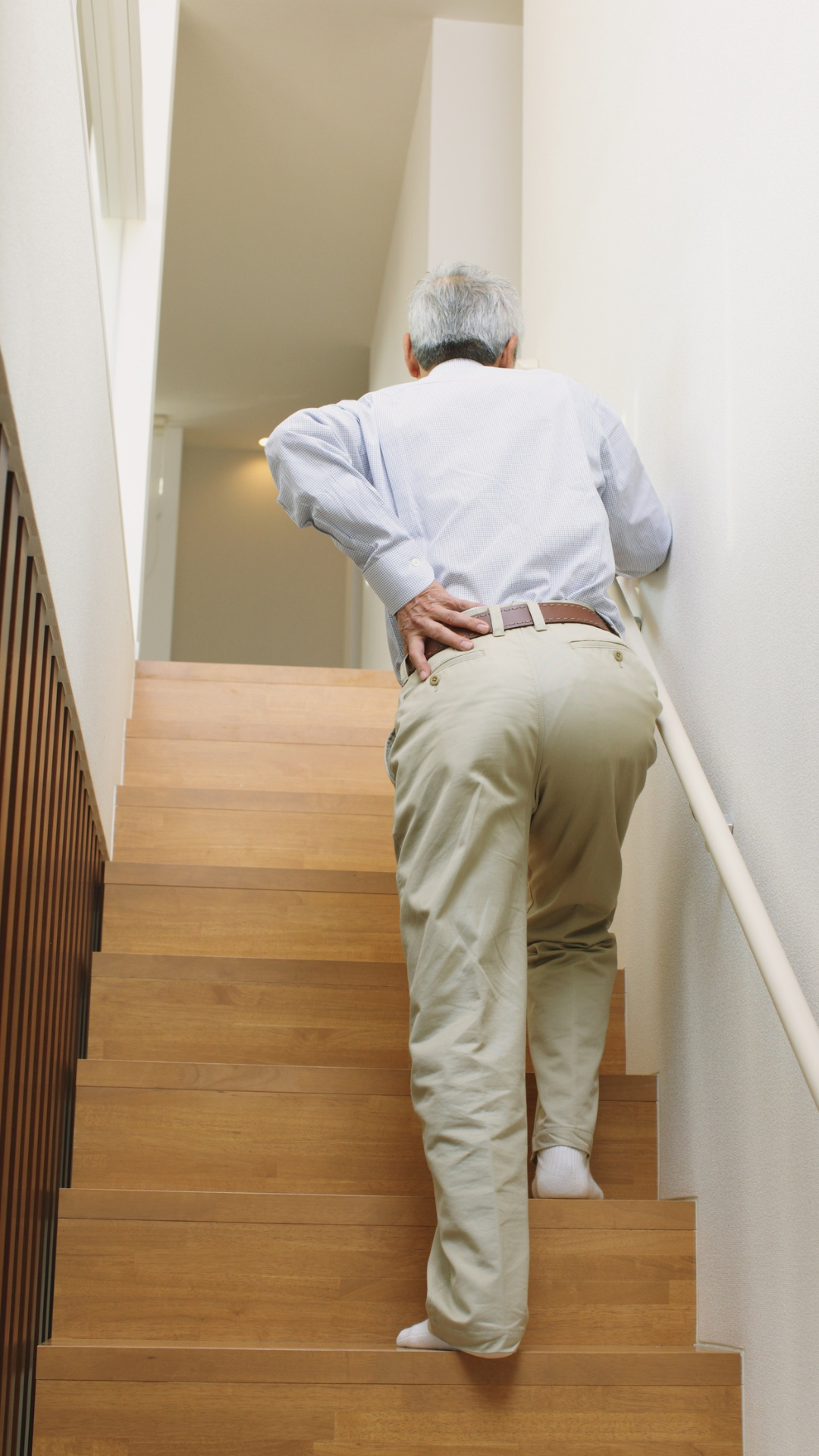
Stairs should have secure handrails on both sides, and the steps should be well lit. If possible, mark the edge of each step with contrasting tape to make the stair profile more visible. For those with mobility concerns, a stairlift may be a worthwhile investment.
Furniture should be arranged to allow clear, wide paths for walking, especially for those using walkers or canes. Choose chairs and sofas that are firm and easy to rise from, and consider risers for low furniture.
In the kitchen, keep frequently used items at waist level to avoid the need for reaching or climbing. Store heavier items in lower cabinets. Slip-resistant flooring and a sturdy step stool with a handle can further increase safety.
Fall prevention is not just about avoiding injury—it’s about maintaining confidence and independence. By making a few key changes at home, older adults can reduce their fall risk and continue to live comfortably and securely in their own space.
Grounded and Balanced: The Role of Proper Shoes in Senior Safety
When it comes to preventing falls, what’s on your feet can be just as important as what’s around your home. For older adults, proper footwear plays a crucial role in maintaining balance, improving mobility, and reducing the risk of slipping or tripping. Ill-fitting or unsupportive shoes can compromise stability, especially on uneven or slippery surfaces, making thoughtful footwear choices an essential part of any fall prevention plan.
As we age, changes in foot structure, joint flexibility, and sensation can affect how we walk and how stable we feel. Conditions like arthritis, diabetes, or peripheral neuropathy may further reduce foot sensitivity and increase the risk of imbalance. That’s why choosing shoes that provide both comfort and support is so important.
The ideal shoes for seniors should have a firm, non-slip sole that grips the ground securely, even on smooth or wet surfaces. Avoid shoes with overly thick soles, high heels, or slick bottoms, as these can increase the risk of falling. A low, wide heel provides the best base for stability.
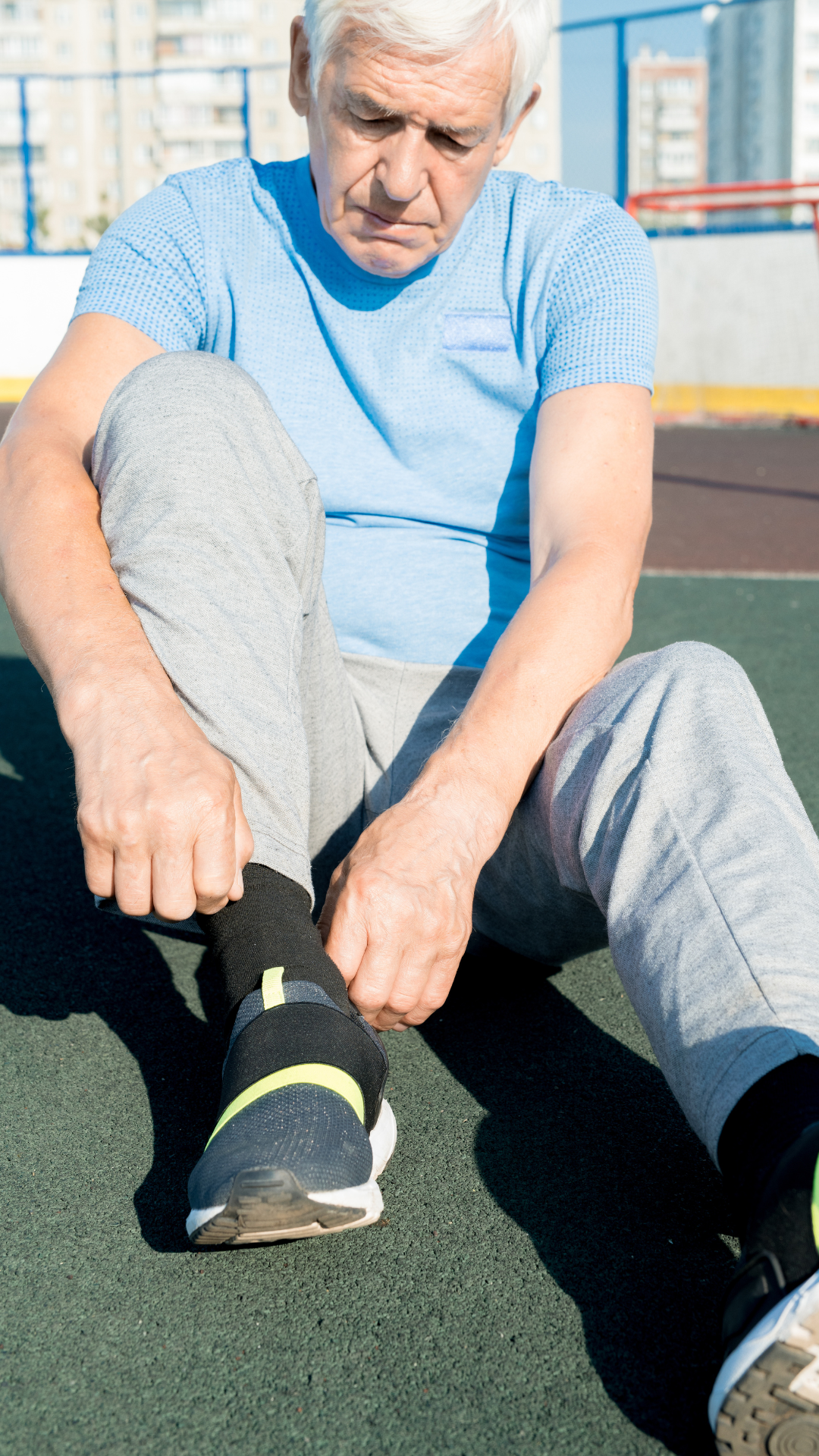
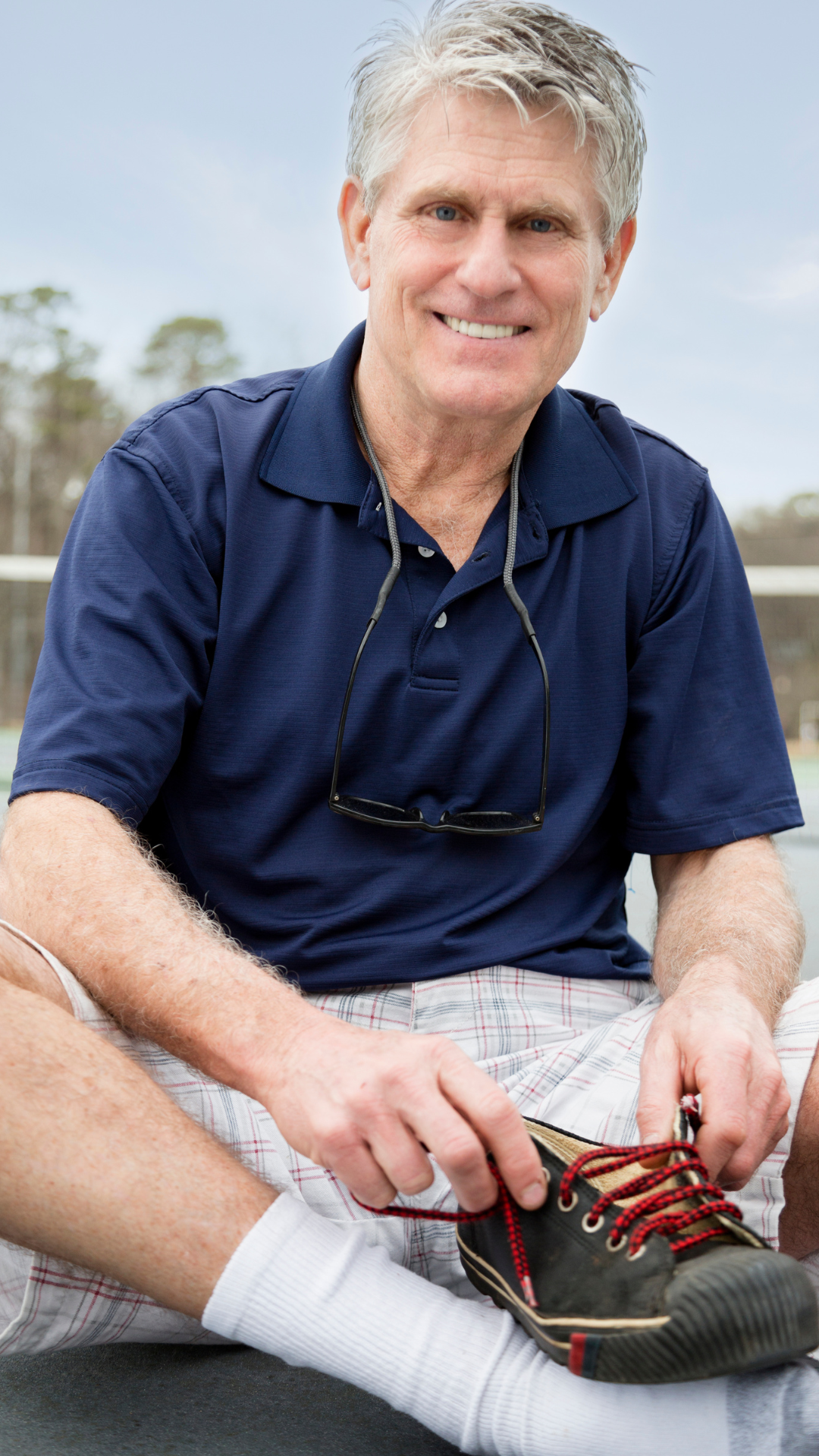
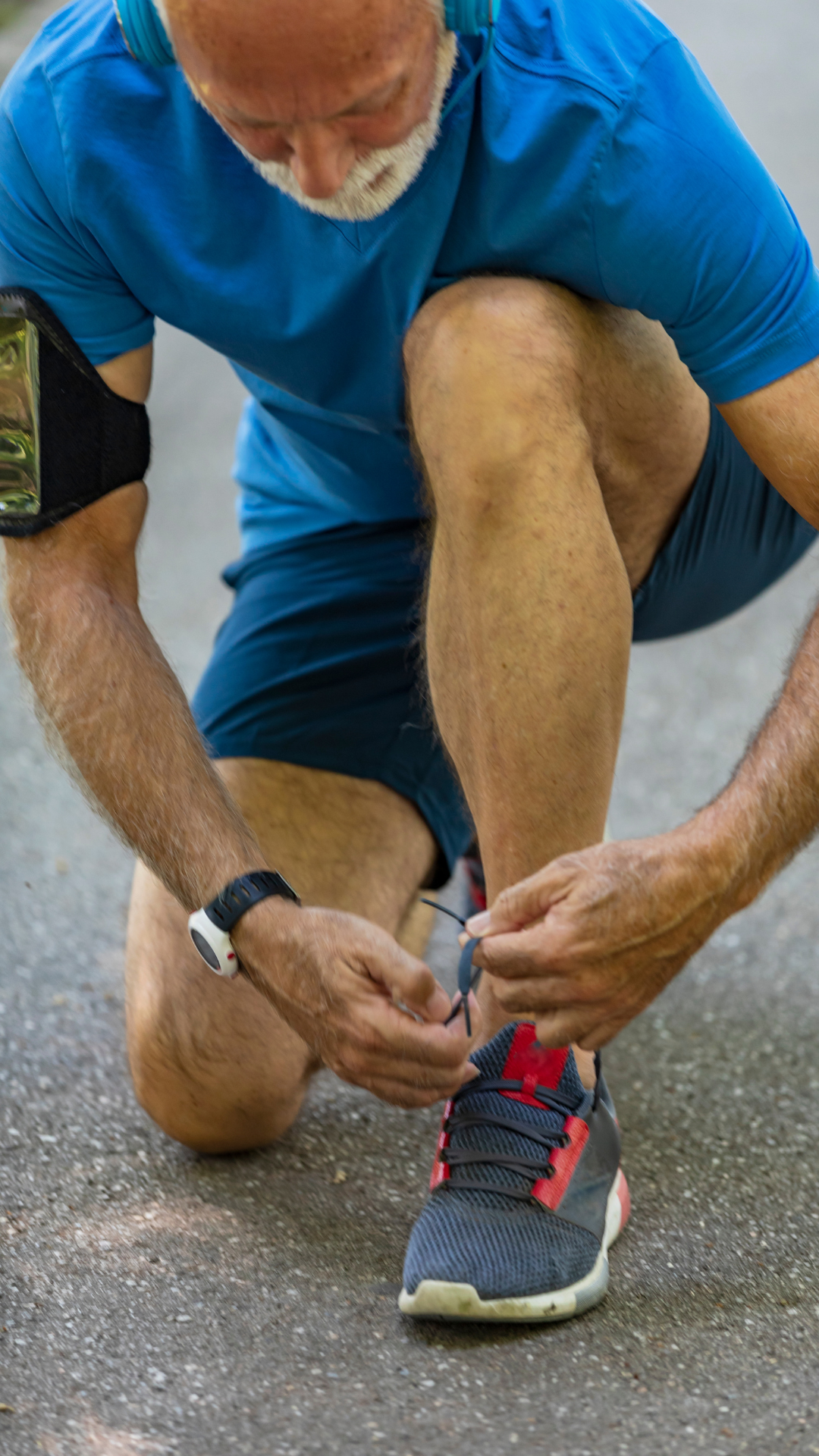
Supportive insoles and cushioned midsoles help absorb shock and reduce strain on joints, especially for those with knee or hip issues. Shoes should also fit well—neither too tight nor too loose. A proper fit prevents the foot from sliding around inside the shoe, which can lead to missteps or instability.
Velcro or adjustable straps are often better than laces, particularly for those with limited hand mobility. They allow for a secure, customised fit that can accommodate swelling throughout the day. Closed-heel designs offer more support than backless or slip-on styles, which can easily slide off or fail to anchor the foot properly during movement.
Indoor footwear matters too. Slippers should have a rubber, anti-slip sole and good foot support. Barefoot walking or wearing socks alone—especially on hardwood or tile floors—should be avoided due to the high risk of slipping.
In short, every step starts with smart footwear. By wearing the right shoes, older adults can significantly improve balance, reduce fall risk, and feel more confident on their feet—whether at home or out and about.
The Power of Gentle Exercise: Stay Active, Prevent Falls
Staying active is one of the most effective ways for older adults to prevent falls—and low-impact exercise is especially beneficial. These gentle forms of movement help strengthen muscles, improve balance, enhance flexibility, and support joint health without placing stress on the body. For seniors concerned about injury or dealing with existing mobility issues, low-impact workouts offer a safe and sustainable path to greater stability and confidence.
Exercises such as walking, swimming, tai chi, and chair-based routines promote circulation, coordination, and leg strength—all of which are essential for staying upright and balanced. Tai chi, in particular, has been extensively studied for fall prevention. Its slow, controlled movements train the body to respond better to shifts in balance and reduce the likelihood of stumbling.
Water-based exercise is another excellent choice. Swimming or aqua aerobics relieve pressure on the joints while providing resistance that builds strength. These activities are especially helpful for those with arthritis or joint pain, allowing them to move freely and safely.
Simple home-based exercises can also make a big difference. Standing heel raises, leg lifts, side steps, and seated marches help target the muscles that keep you steady on your feet. Practicing getting up from a chair without using your hands or balancing on one foot while holding a countertop can further improve stability.
It’s important to combine strength, flexibility, and balance work into a regular routine. Aim for at least 150 minutes of moderate activity per week, broken into manageable sessions. Always begin with a warm-up and end with gentle stretches to avoid injury. If you have health concerns, check with your healthcare provider before starting a new exercise plan.
Incorporating low-impact exercise into your week not only helps prevent falls—it also boosts energy, mood, and independence. The more confident you feel in your movement, the more likely you are to stay active and engaged in the activities you love.
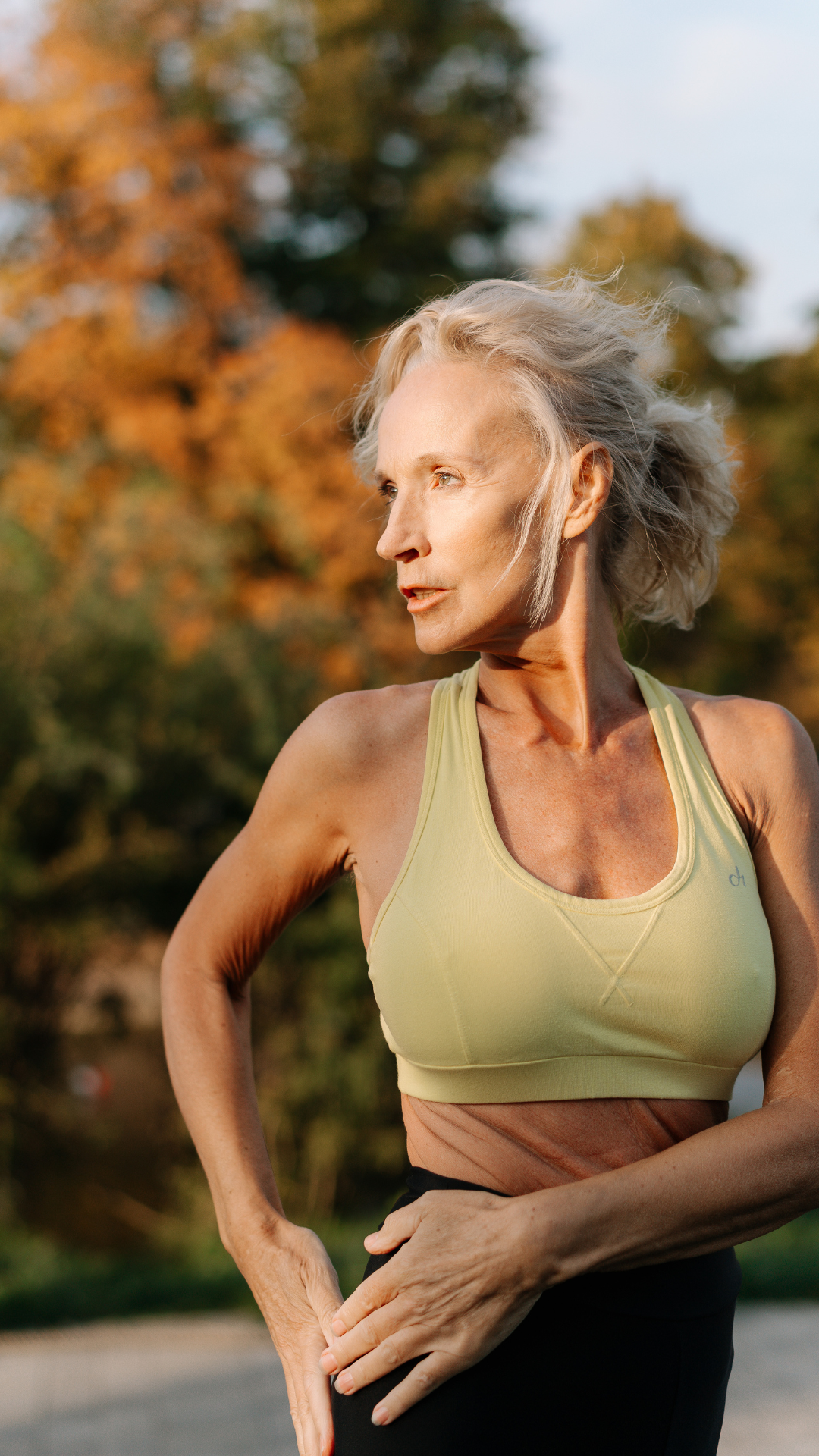
Low-impact exercise is the gentle power move that keeps older adults steady, strong, and confidently on their feet.
Strength Training at Home: A Simple Routine for Stability and Strength
Maintaining muscle strength is one of the most important ways older adults can stay independent and reduce the risk of falls. As we age, muscle mass naturally declines—a condition known as sarcopenia—but regular strength training can slow this process and even reverse some of its effects. The good news? You don’t need a gym membership or heavy equipment to get started. With resistance bands, light weights, or even just your own body weight, strength training can be done safely and effectively at home.
Working out two to three times per week is enough to build and maintain the muscle strength needed for daily tasks like standing up from a chair, carrying groceries, or walking with confidence. Resistance bands offer a joint-friendly way to challenge muscles without straining them. They’re lightweight, inexpensive, and easy to use for a wide range of exercises, including leg presses, arm curls, and seated rows.
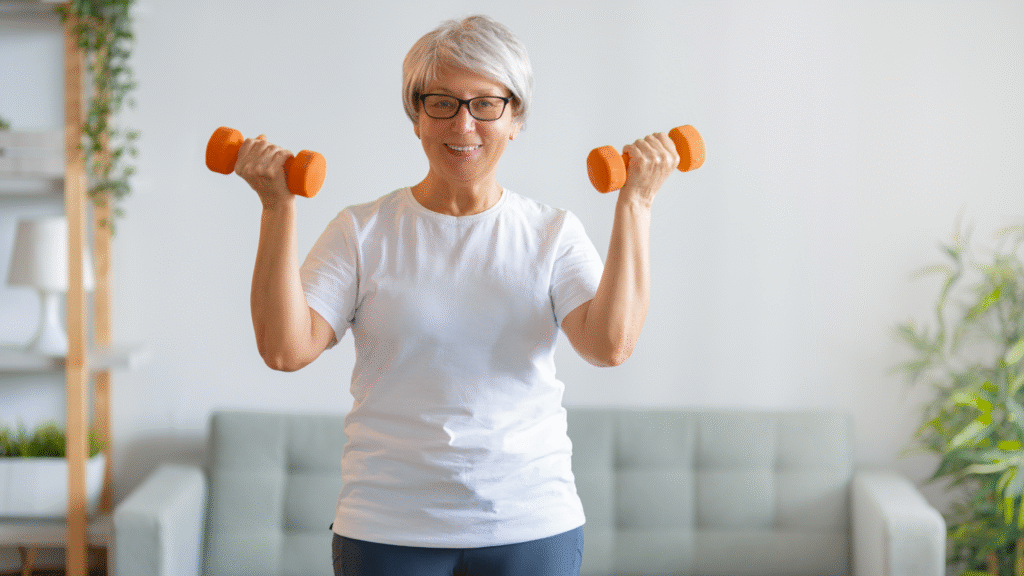
Light dumbbells or water bottles can be used to perform exercises like bicep curls, overhead presses, and weighted squats. For those who prefer not to use equipment, bodyweight exercises such as wall push-ups, sit-to-stand movements, calf raises, and step-ups on a low stair are just as effective when done consistently.
The key to safe and effective strength training is good form, slow movements, and gradual progression. Start with one set of 8 to 10 repetitions per exercise, focusing on control rather than speed. Over time, increase to two or three sets, or add more resistance as your muscles adapt.
Incorporating strength training into your weekly routine improves more than just muscle mass—it enhances balance, coordination, bone density, and overall mobility. With a few simple tools and a bit of dedication, you can stay strong, steady, and active right from the comfort of your own home.
Tech-Savvy Safety: Smart Solutions to Prevent Falls at Home
As people age, fall prevention becomes a top priority—and today’s technology offers smart, effective ways to stay safe at home. From automated lighting to wearable devices, assistive tech is helping older adults maintain their independence while reducing the risk of serious injury. These tools are not only easy to use but also provide real-time support in emergencies.
One of the simplest yet most effective upgrades is motion-sensor lighting. These lights turn on automatically when movement is detected, eliminating the need to search for switches in the dark. Strategically placed in hallways, bathrooms, and stairwells, they help prevent nighttime trips and slips.
Voice-activated assistants add another layer of safety. With a simple command, users can call emergency services, contact family members, or control smart devices throughout the home. This hands-free access is particularly useful for those with limited mobility or vision, and it allows for immediate help if a fall occurs.
Wearable trackers bring fall prevention support wherever you go. Many smartwatches and fitness bands now feature fall detection technology that can automatically send alerts to caregivers or emergency contacts if a sudden drop or impact is detected. These devices also monitor steps, heart rate, and activity levels—valuable indicators of overall health and mobility. Some models even include GPS tracking to provide location updates in case of an emergency.
Together, smart home features and wearable devices offer a powerful combination of prevention and protection. They create a responsive, supportive environment that empowers seniors to live independently with greater confidence and peace of mind.
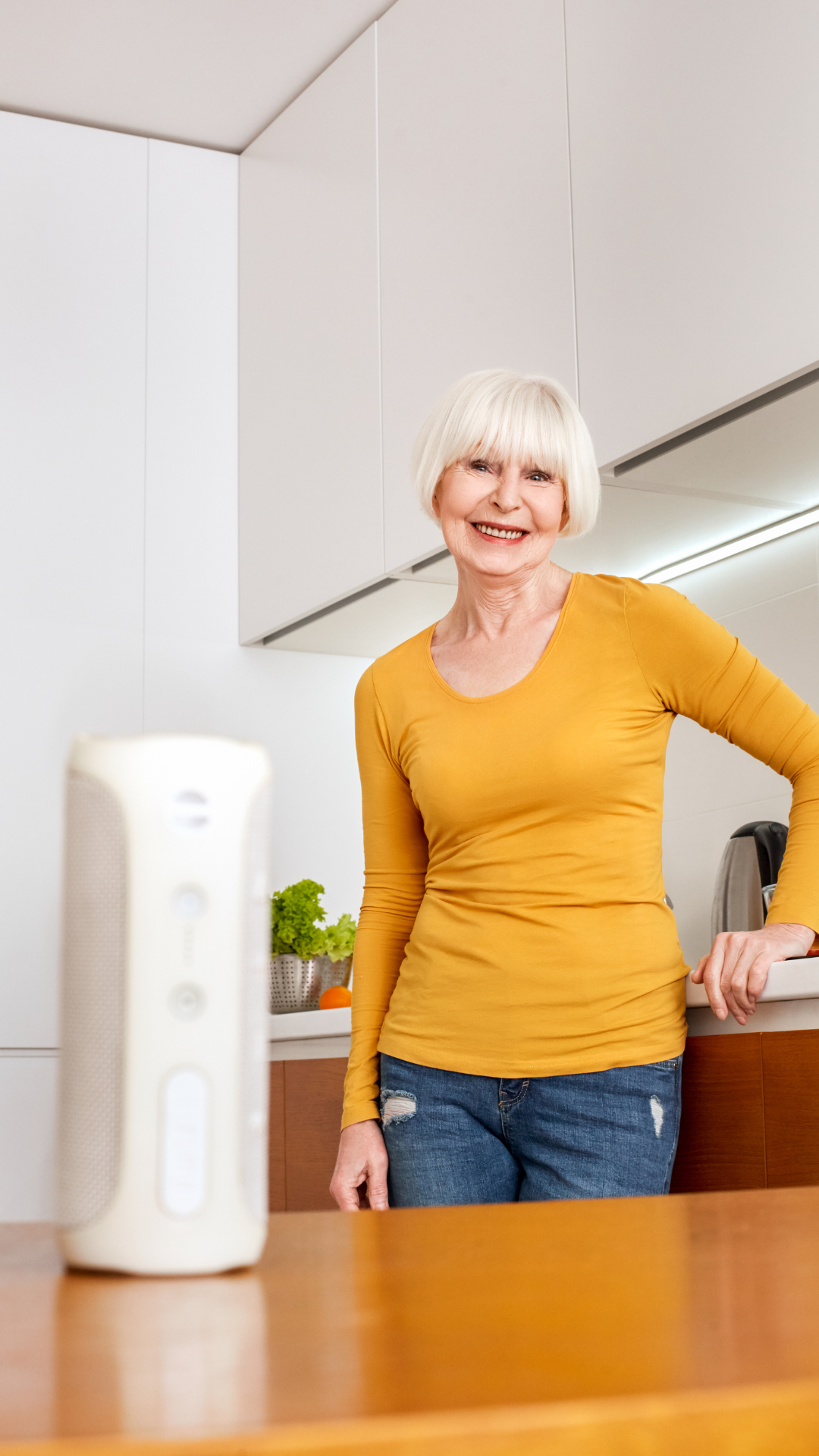
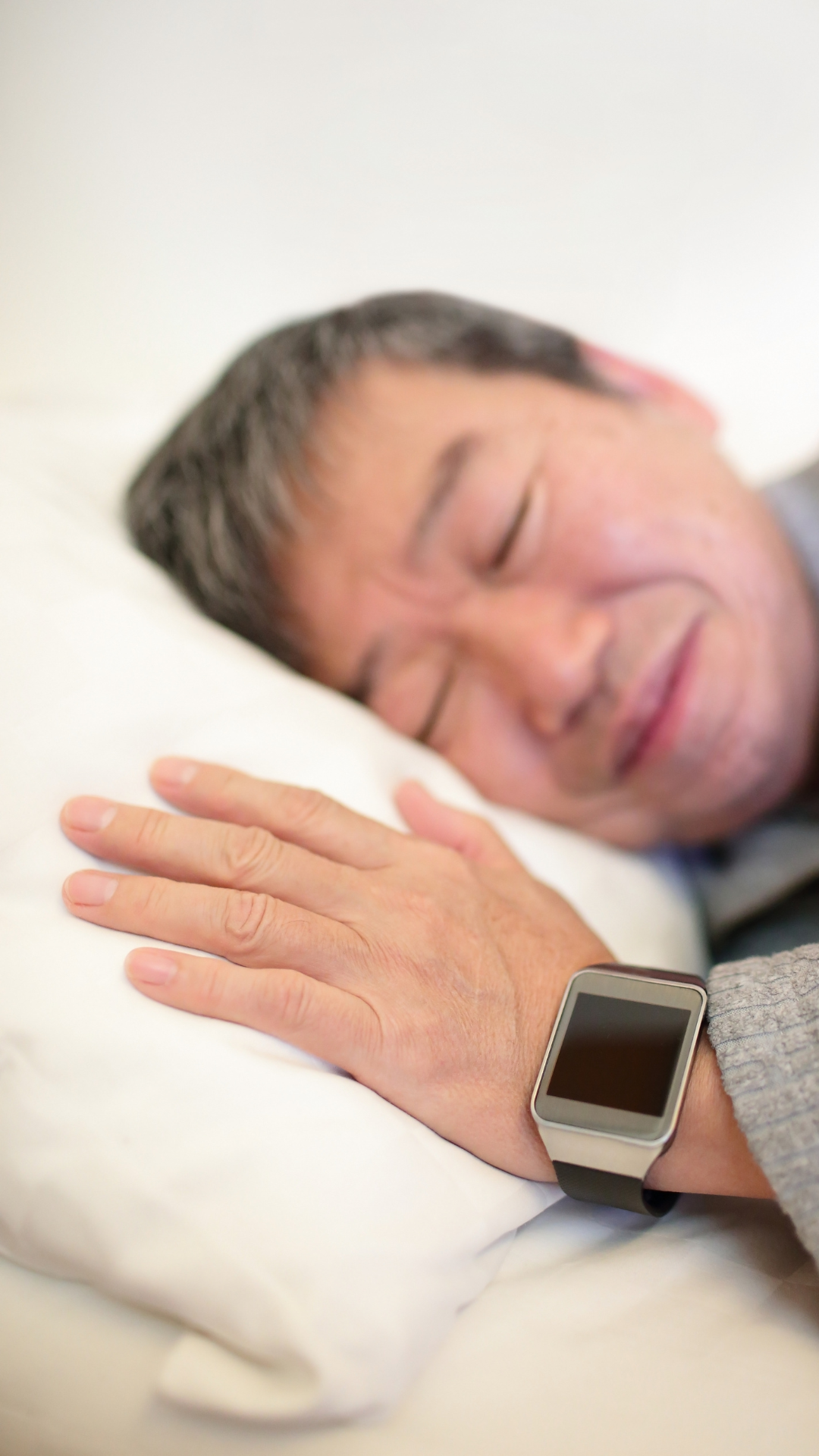
Smart tech turns fall prevention into peace of mind, helping older adults stay safe, connected, and confidently independent at home.
Nutrition That Supports Mobility: Feeding Your Joints for Strength and Flexibility
Staying mobile as we age isn’t just about exercise—it’s also about what we put on our plates. Good nutrition can directly impact joint health, inflammation, and muscle strength, all of which are essential for walking, bending, and maintaining balance. For older adults, focusing on key nutrients like omega-3 fatty acids, vitamin D, and antioxidants can make a significant difference in how the body moves and feels.
Omega-3 fatty acids, found in fatty fish like salmon, mackerel, and sardines, as well as in flaxseeds and walnuts, are well-known for their anti-inflammatory properties. They can help reduce joint stiffness and tenderness, especially in conditions like osteoarthritis. Regular intake of omega-3s may also support heart health, which is closely tied to overall physical stamina and endurance.

Vitamin D plays a crucial role in maintaining strong bones and supporting muscle function. It helps the body absorb calcium, prevents bone loss, and reduces the risk of fractures—all of which are important for keeping you on your feet. Older adults are more prone to vitamin D deficiency, especially if they spend little time outdoors, so including vitamin D-rich foods like eggs, fortified dairy, and fatty fish—or taking a supplement if advised by a doctor—can help support skeletal strength.
Antioxidants found in fruits and vegetables such as berries, leafy greens, and bell peppers help combat inflammation and cellular damage. They protect joint tissues and may slow down the progression of degenerative conditions like arthritis. A colourful diet not only supports joint flexibility but also boosts immune health and energy levels, which are vital for maintaining an active lifestyle.
Eating a well-balanced diet with these mobility-supporting nutrients helps preserve the strength, flexibility, and resilience needed to move confidently through each day. With every bite, you’re not just feeding your body—you’re fuelling your freedom.
Mobility Aids and When to Use Them: Tools for Confidence and Safety
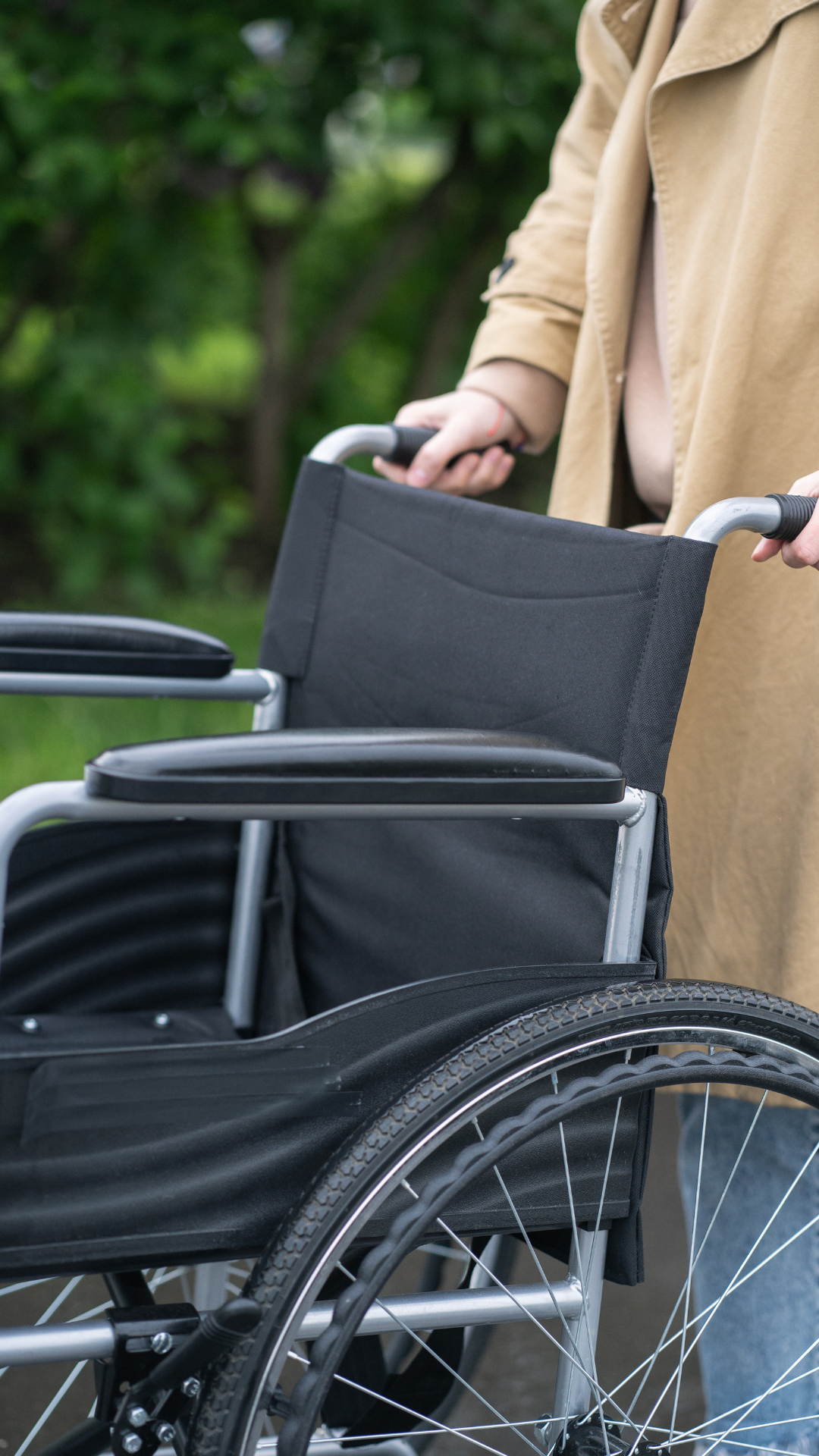
Using a mobility aid isn’t a sign of weakness—it’s a proactive step toward greater safety, independence, and quality of life. For many older adults, a cane, walker, or other assistive device can make the difference between moving with uncertainty and walking with confidence. Recognising when to introduce a mobility aid is key to preventing falls, maintaining activity levels, and reducing the fear of injury.
The first signs that a mobility aid may be helpful often include unsteadiness, frequent tripping, difficulty with balance, or fatigue when walking short distances. If you or a loved one avoids certain tasks—like walking outside alone or navigating stairs—because of fear of falling, it may be time to speak with a healthcare provider or physical therapist about options.
Canes are typically used for mild balance support or to reduce strain on one side of the body. They come in various styles, including single-tip canes for basic stability and quad canes for extra balance. Walkers provide more substantial support and are ideal for those who need help with both balance and weight-bearing. Standard walkers without wheels offer maximum stability, while rolling walkers allow for smoother movement and often include a seat for rest.
Other aids, such as rollators, crutches, or walking poles, may suit different needs depending on a person’s strength, coordination, and environment. A professional assessment can help determine the right device and ensure proper fit and use.
Using a mobility aid isn’t about giving up—it’s about staying mobile, safe, and engaged in daily life. These tools help reduce the risk of falls, protect against injury, and support the confidence to keep moving. With the right support, many older adults find they can continue enjoying walks, errands, and social outings with renewed freedom and assurance.