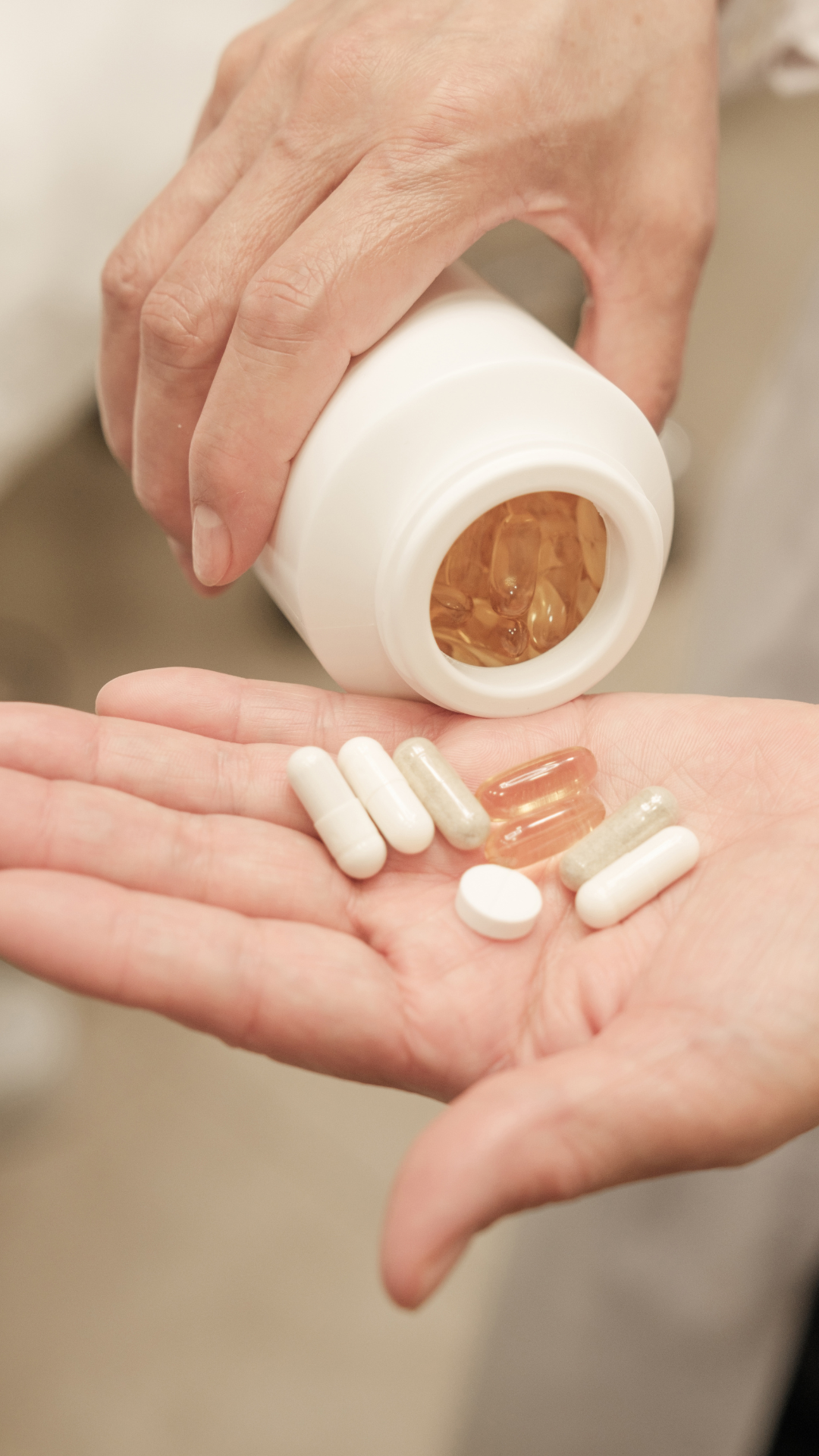
Own your meds by learning label basics and asking smarter pharmacy questions.

In This Edition
The Medicine Cabinet Audit: What to Keep, What to Toss, What to Store Elsewhere
Purge with Purpose: The Safe, Simple Way to Say Goodbye to Old Meds
The “Feel-Better Fast” Box: A Sick Day Kit That Doesn’t Turn Into a Pharmacy
Drug Facts, Demystified: Your 60-Second OTC Label Decoder
Same Ingredient, Different Box: The Sneaky Ways Double-Dosing Happens
Label Reading Made Simple: Spot the Sneaky Sugars and Marketing Traps
The No-Shame System for Taking Your Meds
Our Clinic Helps You Start Anew
The Role of Comprehensive Care in Preventing Relapse
The Medicine Cabinet Audit: What to Keep, What to Toss, What to Store Elsewhere
A quick medicine cabinet audit is one of those small chores that pays you back all year: fewer expired mysteries, faster relief when you need it, and safer storage for everyone in the house. Start by clearing everything out onto a towel so you can see what you actually have—prescriptions, over-the-counter meds, vitamins, first-aid supplies, and “just in case” items. As you sort, keep three piles in mind: keep, toss, and store elsewhere. If anything is unfamiliar, unlabeled, or you’re not sure why you have it, put it in a “ask a pharmacist/clinician” mini-pile rather than guessing.
Clear the clutter—keep your meds safe, current, and ready.
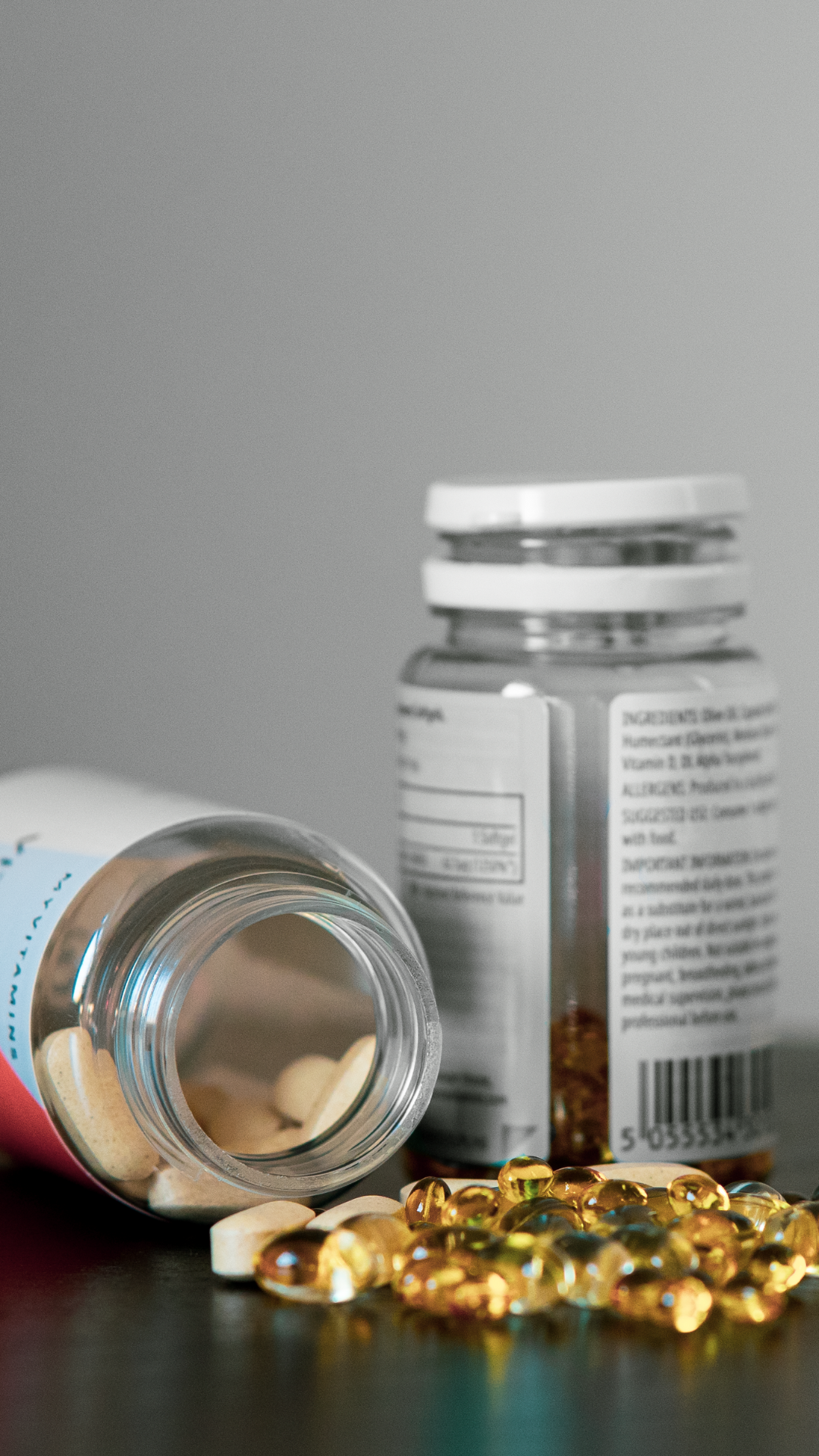
Before you decide what stays, do a quick scan for red flags: expiration dates, damaged packaging, missing labels, and anything that looks or smells “off” (tablets crumbling, liquids cloudy, creams separated). Also check for duplicates—having three half-used bottles of the same pain reliever increases the chance of double-dosing. As you go, jot a short list of what you actually use (fever reducer, allergy med, antacid, anti-diarrheal, bandages) so you can rebuild your cabinet around reality, not good intentions. If kids, guests, or pets could access the cabinet, treat safety as a priority, not a bonus feature.
What to keep: medications and supplies you actively use, that are clearly labeled, in their original containers, and within date. That includes a small “core kit” like a pain/fever reducer you tolerate well, your go-to allergy option, a thermometer, bandages, antiseptic wipes, hydrocortisone, and any clinician-prescribed emergency meds you’ve been instructed to keep on hand. Keep prescriptions only if they’re current and still prescribed for you—if a medication was stopped or changed, it shouldn’t linger as a backup plan. If you use dosing tools (oral syringes, measuring cups), keep them with the medicine they match, and consider keeping a simple note with dosing instructions only if it came from the label or your clinician (no homemade guesswork).
What to toss: anything expired, unlabeled, contaminated, recalled, or stored improperly (like pills that lived loose in a purse or a bottle that got wet). Also toss old antibiotics, leftover narcotic pain meds you no longer need, and ancient eye/ear drops—many of these can become unsafe after a certain period once opened, and the label often includes discard guidance. Avoid flushing meds unless a label or local guidance specifically says to; the best option is a pharmacy or community take-back program. If you must dispose at home, many guidelines recommend mixing medicines (without crushing capsules/tablets) with something unappealing like used coffee grounds or cat litter in a sealed bag, and removing personal info from labels before tossing the container.
What to store elsewhere: most medicine cabinets are warm and humid, which isn’t ideal for many medications—so shift the majority to a cool, dry place like a bedroom closet shelf, a high kitchen cabinet away from the stove and sink, or a lidded bin in a linen closet. Store “high-risk” items (strong pain meds, sleep aids, cannabis products, nicotine replacement, iron supplements) in a locked box, especially with kids or teens in the home. Keep first-aid supplies where you’ll grab them quickly (kitchen or hallway), and keep daily meds where your routine lives (near your toothbrush or coffee setup) but still protected from moisture and out of reach of children. Once you’ve reset the system, add a recurring calendar reminder every 6 months—your next audit will take five minutes instead of forty.
Purge with Purpose: The Safe, Simple Way to Say Goodbye to Old Meds
Clearing out unused and expired medications is one of the simplest ways to prevent accidental poisonings, dosing mix-ups, and misuse at home. Start by gathering everything—prescriptions, over-the-counter meds, vitamins, creams, drops, and inhalers—then separate what you currently use from what you don’t. Anything expired, unlabeled, or “mystery” should go in the disposal pile (and never be shared with someone else). If you’re unsure what something is, a pharmacist can usually help you identify whether it’s safe to keep or should be discarded.
The best disposal option is a medication take-back program. Many pharmacies, hospitals, clinics, and law enforcement buildings have secure drop boxes, and many communities host periodic take-back events. These programs are designed to handle medications safely and reduce the chance of diversion. If you’re already heading to the pharmacy, build it into your routine: keep a small “to dispose” bag or bin at home and drop it off whenever it fills up.
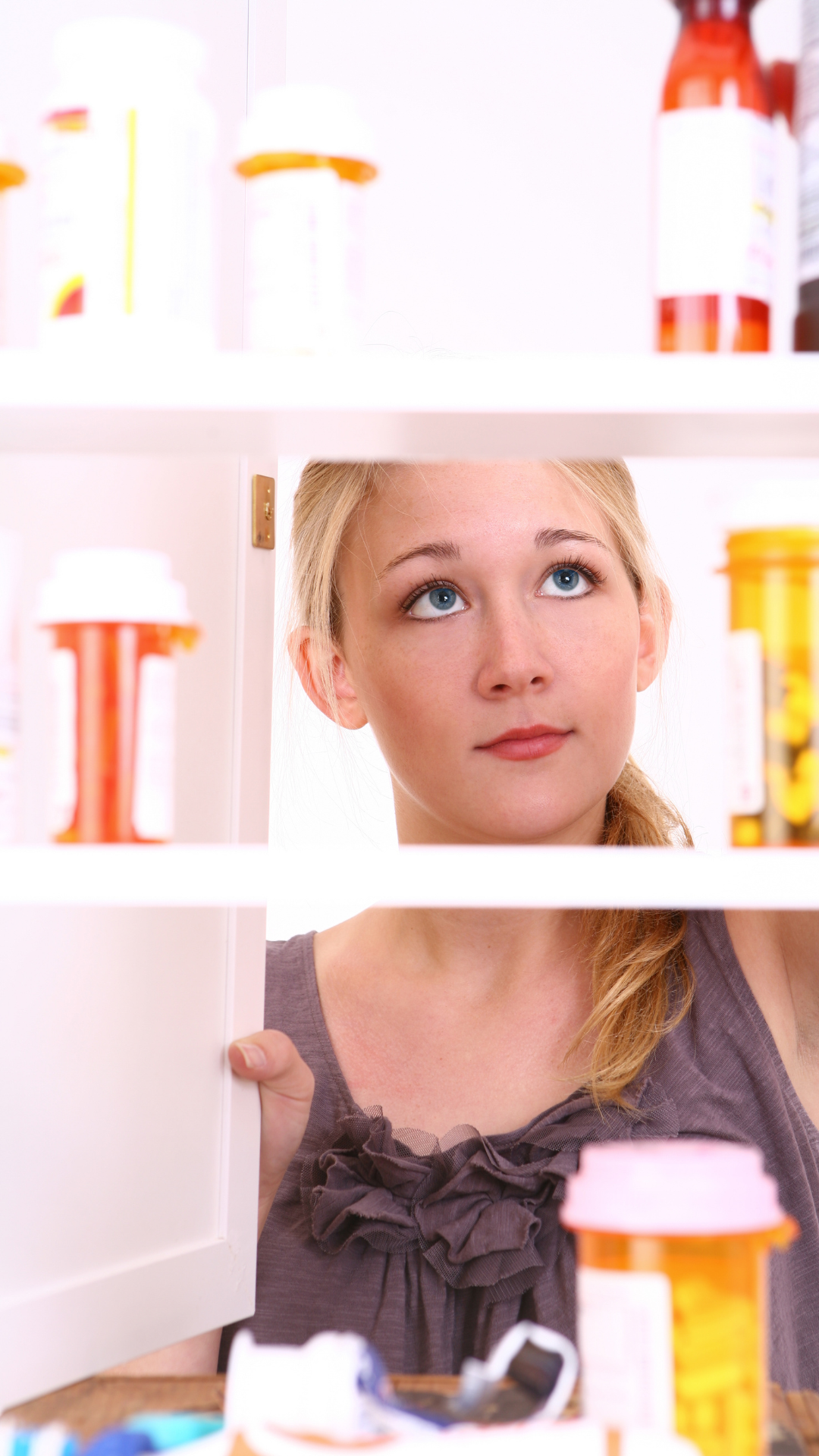
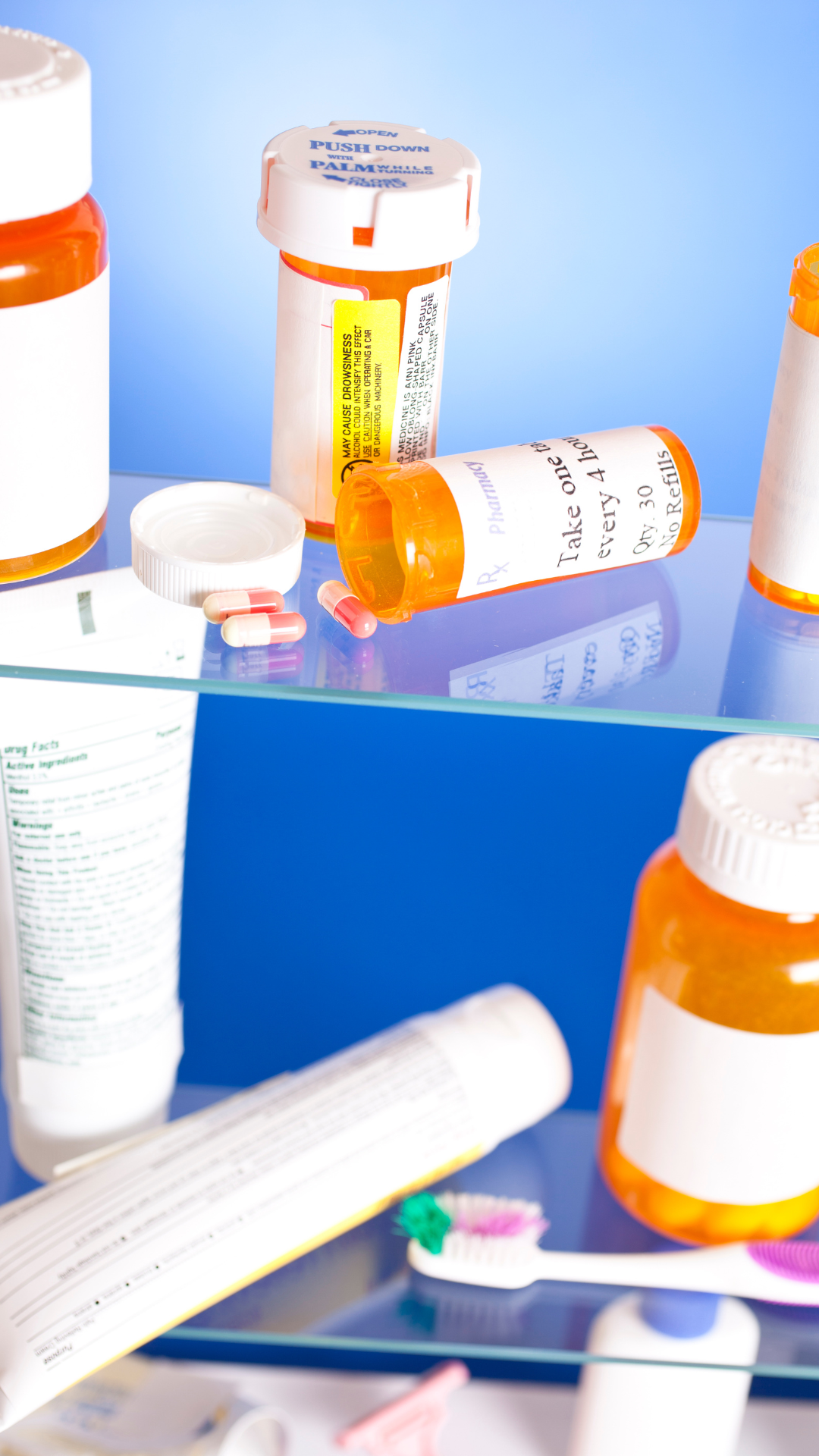
If you can’t access a take-back location, you can usually dispose of most medications in the household trash using a simple safety step: remove the medicine from its original container and mix it with something unappealing (used coffee grounds, cat litter, or dirt). Don’t crush tablets or capsules—just mix them in as-is—then seal the mixture in a bag or container before putting it in the trash. For privacy, scratch out personal information on prescription labels before throwing away or recycling the empty container.
Flushing medications is generally not recommended unless the label specifically instructs it or the medicine is known to be especially dangerous if accidentally swallowed (by children, pets, or anyone it wasn’t prescribed for). For certain high-risk medications, flushing may be advised when no take-back option is available because the immediate safety risk at home can be greater than other concerns. When in doubt, choose take-back or the sealed “mix-and-trash” method rather than flushing.
A few items require special handling. Needles, lancets, and other sharps should go into a puncture-resistant sharps container and be disposed of through an approved sharps program—don’t put loose sharps in the trash or recycling. Used medicated patches can still contain active medication, so fold them sticky-sides together and follow the package directions for disposal. For anything with special instructions (like some inhalers or certain specialty medications), follow the label guidance or ask a pharmacist. Once you’ve cleared things out, set a recurring reminder every six months so disposal stays quick and stress-free.
The “Feel-Better Fast” Box: A Sick Day Kit That Doesn’t Turn Into a Pharmacy
A sick day kit is less about stocking up and more about buying yourself options when you’re tired, sniffly, and not in the mood to run to the store. The goal: cover the most common “I feel awful” moments—cold/flu symptoms, an upset stomach, and small cuts or sprains—using a small set of multipurpose basics you’ll actually use. Start by choosing one clear container (shoebox-sized is ideal), adding a simple note with what’s inside, and keeping it where you can reach it quickly—because the best kit is the one you can find at 2 a.m.
For common cold/flu misery, think comfort plus clarity. A digital thermometer helps you decide whether you’re dealing with “take it easy” or “call for help,” and a couple of go-to OTC pain/fever reducers can cover headaches, body aches, and fever—just pick what’s appropriate for your household and follow the label (especially for kids, pregnancy, and certain health conditions). Add tissues, a small bottle of hand sanitizer, saline nasal spray, throat lozenges, and a packet of electrolyte drink mix for when appetite is low. One underrated item: a few high-quality masks—useful if someone in the house is sick and you’re trying to reduce spread.
Upset stomach kits get expensive fast when they’re filled with single-purpose “just in case” bottles, so keep it tight: oral rehydration solution or electrolyte packets, a gentle thermometer check-in, and one or two OTC options that match your most likely scenario (for example, something for nausea, something for heartburn, or something for diarrhea—again, label directions matter, and some products aren’t right for children or certain symptoms). Include bland “reset” supplies you’ll actually eat, like a sleeve of crackers or plain instant oatmeal, plus ginger tea bags or ginger chews if you like them. The overbuying trick here is buying small sizes and replacing as needed, rather than hoarding half-used bottles that expire quietly in the back of a cabinet.
For minor injuries, you want clean, cover, and compress—nothing fancy. Stock assorted adhesive bandages, sterile gauze pads, medical tape, antiseptic wipes, and a small tube of antibiotic ointment (if you use it). Add tweezers (for splinters), small scissors, disposable gloves, an instant cold pack, and an elastic wrap that can handle a sprained wrist or ankle. If you want one “upgrade” item that earns its keep, grab a compact digital timer (or use your phone) for things like icing intervals and cleaning-time reminders—it’s surprisingly helpful when you’re distracted.
To keep your kit lean, run a quick “quarterly glance” routine: check expiration dates, restock what you actually used, and remove what you didn’t. Store everything in original packaging so dosing and warnings stay attached, and add a tiny checklist on the lid: “fever + shortness of breath,” “severe dehydration,” “worsening pain,” “confusion,” or “symptoms that don’t improve” are all reasons to seek medical advice promptly. The best sick day kit isn’t the biggest—it’s the one that covers 90% of situations with calm, simple essentials, and leaves you space (and money) for what you truly need when real life happens.
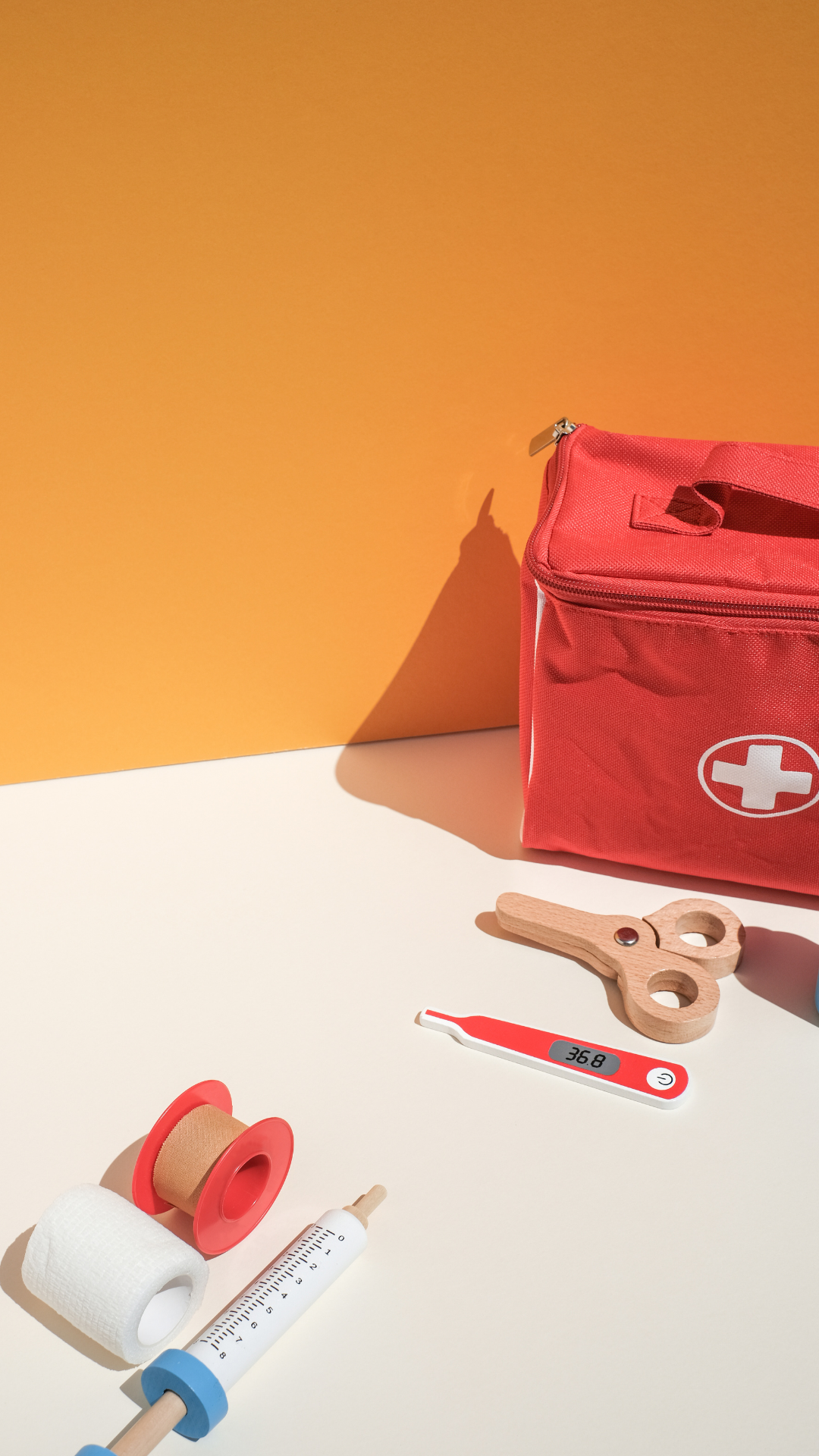
Build a small sick-day kit now, so future-you can rest instead of scramble.
Drug Facts, Demystified: Your 60-Second OTC Label Decoder
Over-the-counter medicine labels look like tiny legal contracts, but they’re designed to answer four questions fast: what’s in it, what it’s for, who shouldn’t take it, and how much to use. The “Drug Facts” box is your map—use it even if you’ve taken the product before, because formulas and your own health situation can change. A good rule for sick-day shopping: if you can’t explain what the active ingredient is and what symptom you’re treating, don’t put it in the cart.
Start at “Active ingredient(s)” and “Purpose.” This is the real identity of the product—brand names are marketing, active ingredients are the function. Look for the ingredient name plus strength (like mg per tablet or mg per 15 mL) and note whether it’s single-ingredient or a combo. If two products share an active ingredient, taking both can accidentally stack doses—this is especially common with acetaminophen (often in multi-symptom cold/flu products) and with antihistamines (which can make you extra drowsy).
Next, check “Uses” and match it to one main problem you’re trying to solve today. “Relieves cough” is not the same as “loosens mucus,” and “helps you sleep” often means there’s a sedating antihistamine included. Multi-symptom products seem convenient, but they’re the biggest driver of overbuying and overmedicating—if you only have a sore throat, you don’t need a decongestant and cough suppressant along for the ride. Fewer ingredients usually means fewer side effects and fewer ways to double up by mistake.
“Warnings” is where the label tells you who should pause and ask a pharmacist or clinician first. Scan for allergy alerts, “do not use” conditions, and interaction warnings (blood thinners, sedatives, alcohol, MAOIs, and certain antidepressants show up here). Also pay attention to special populations: children (many products have age cutoffs), pregnancy/breastfeeding guidance, and chronic conditions like high blood pressure, asthma, ulcers, kidney disease, or liver disease. The “When using this product” and “Stop use and ask a doctor” lines are your cues for side effects, red flags, and when “toughing it out” isn’t the right move.
Finally, read “Directions” like a recipe, not a suggestion: dose, timing, maximum per 24 hours, and maximum days of use. Watch the units—mg vs mL—and use the dosing device that comes with liquid meds (kitchen spoons are wildly inaccurate). Check “Other information” for storage tips and, importantly, the expiration date; expired meds may be less effective or unreliable. If anything on the label doesn’t match your situation (other meds you take, health conditions, or symptoms that are severe or getting worse), that’s the moment to ask a pharmacist—they’re basically the cheat code for OTC label decoding.
Same Ingredient, Different Box: The Sneaky Ways Double-Dosing Happens
Accidental double-dosing usually isn’t reckless—it’s the result of shopping and medicating by symptom words (“cold + headache + fever”) instead of by active ingredient. Many people grab a “multi-symptom” cold/flu product, then later take a separate pain reliever because the aches are still there. If both contain the same active ingredient, you’ve just stacked doses without realizing it. This is especially common when you’re sick, sleep-deprived, and taking something in the dark at 2 a.m.
Acetaminophen is the #1 trap because it hides in a lot of cold/flu products under brand names that don’t scream “pain reliever.” The classic mistake: a day/night cold-and-flu combo (often includes acetaminophen for fever/body aches) plus “extra strength” acetaminophen tablets for headache, plus a cough syrup that also contains acetaminophen. Another common scenario: taking a prescription pain medicine after dental work or an injury—many combo prescriptions include acetaminophen—while still using an OTC cold medicine that contains it too. The “tell” is the Drug Facts box: look for acetaminophen listed as an active ingredient, sometimes abbreviated as “APAP” on prescriptions.
Ibuprofen has a different set of traps: it’s less common in multi-symptom cold medicines, but it’s easy to double up across “different” pain products. People take an ibuprofen tablet and then later take a second brand that’s still ibuprofen (just marketed differently for “back pain,” “migraine,” or “period cramps”). Another frequent mistake is stacking ibuprofen with another NSAID like naproxen or aspirin because they feel like separate categories—“I’ll take Aleve after Advil” is a classic. They’re all in the same NSAID family and combining them increases the risk of stomach irritation/bleeding and kidney strain, especially if you’re dehydrated from a fever or stomach bug.
Combo traps are usually built around timing confusion. You take a multi-symptom product every 4–6 hours, then forget what’s inside it and add a standalone pain reliever “just this once.” Or you alternate day and night products without realizing both include a pain reliever, then also use a headache medicine that overlaps. “PM” products add another layer: many contain sedating antihistamines, so you can accidentally take two sleep-inducing ingredients at once (extra drowsiness, dizziness), especially if you’re also using allergy meds. The packaging is different, the symptoms overlap, and your brain is foggy—perfect conditions for mistakes.
The simplest prevention habit is a one-minute “ingredient scan” before you take anything: pick one primary pain/fever reducer for the day, and avoid adding a multi-symptom product that already contains one unless you’re intentionally replacing it. Keep a tiny note on your sick-day kit lid: “Today’s pain/fever med = ____” and log dose times on your phone. If you’re unsure whether two products overlap, compare the “Active ingredient(s)” line on each Drug Facts box—or ask a pharmacist. When it comes to OTC meds, brand names change, but active ingredients don’t, and that’s what keeps you safe.
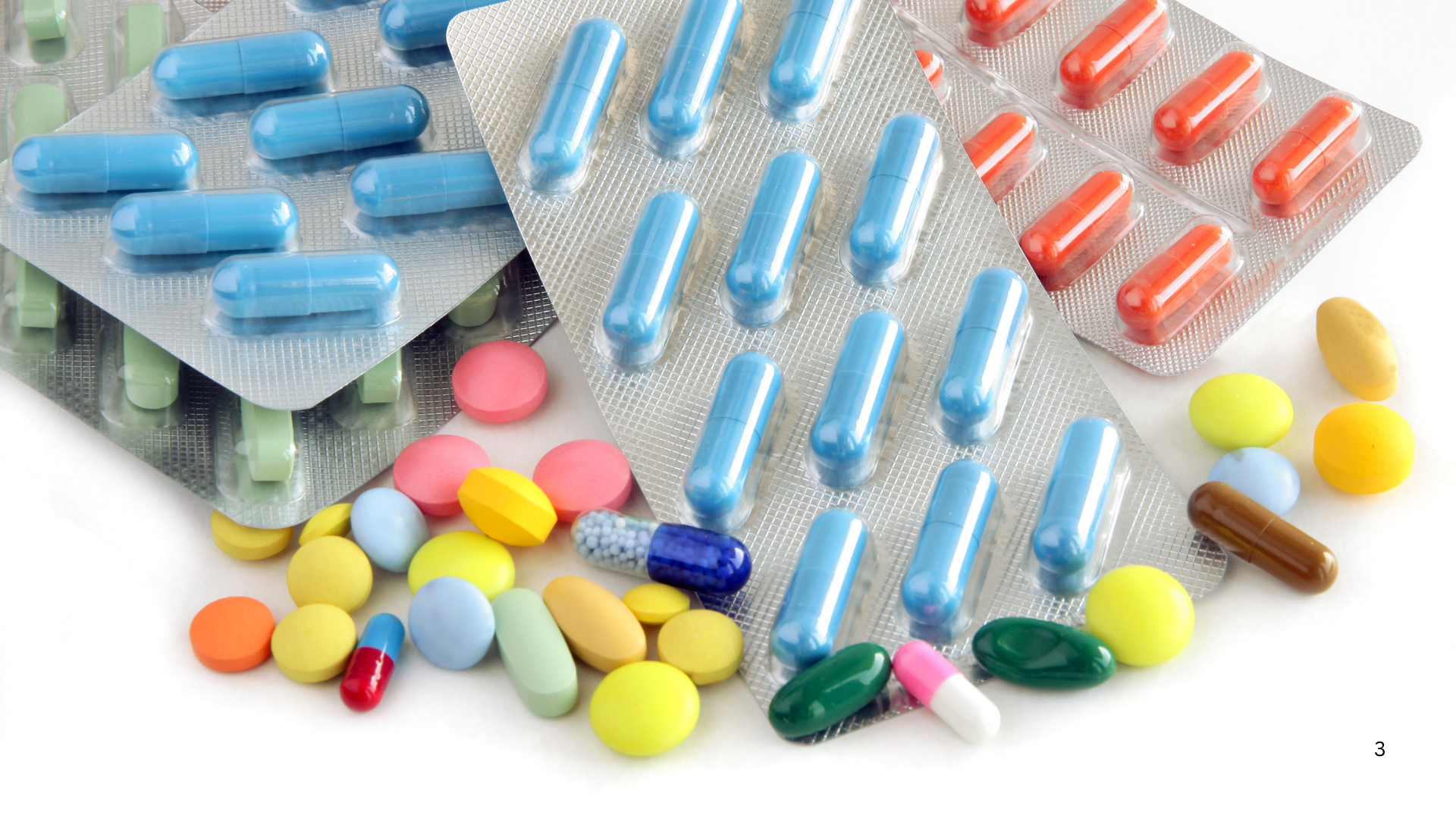
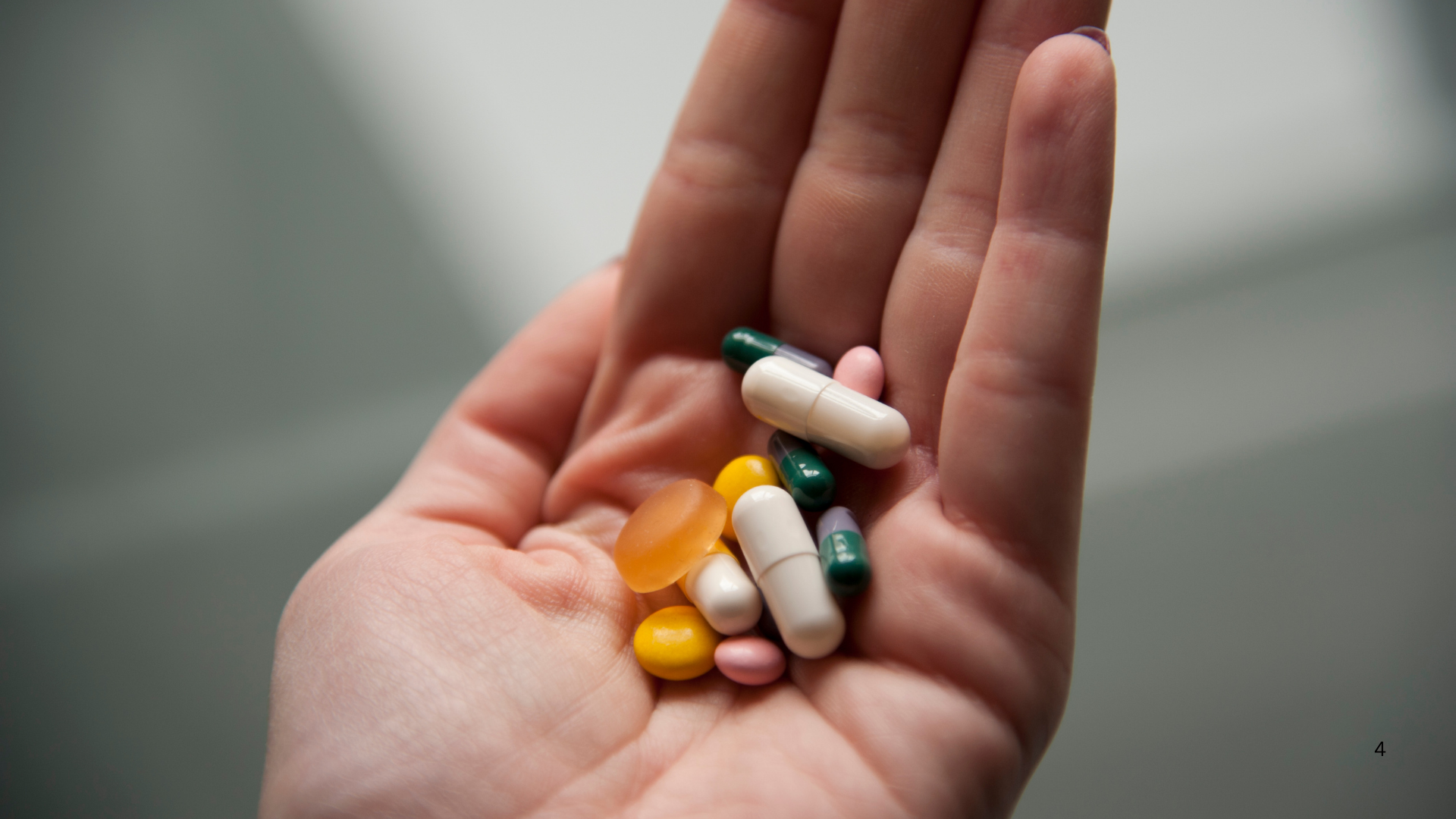
Read the active ingredients—one quick check can keep you safe and in control when you’re sick.
Cocktails and Capsules: The Alcohol + Meds Combo That Sneaks Up on People
Mixing alcohol with medication is risky less because of one dramatic “gotcha” and more because alcohol quietly amplifies side effects you might already be dealing with—sleepiness, dizziness, nausea, slower reaction time—while also making it easier to forget what you took and when. If you’re sick, dehydrated, or running a fever, that margin for error gets even thinner, which is why “a couple drinks” can hit harder when you’re also taking cold meds, pain relievers, or anything that affects your brain.
The biggest red-flag category is anything that slows the nervous system: sleep aids, anti-anxiety meds, opioid pain medicines, and even some common OTC antihistamines used for allergies or “nighttime” cold formulas. Alcohol stacks on top of that sedation, increasing impairment and the odds of falls, accidents, and in extreme cases dangerously slowed breathing—especially if you take a “PM” product and drink because you’re trying to knock yourself out.
Acetaminophen is a classic “looks harmless” trap because it’s tucked into lots of multi-symptom cold/flu products and some prescription pain meds—so people double-dose without realizing it, then add alcohol on top. Heavy or frequent drinking raises the risk of liver stress and injury when acetaminophen is in the mix, so it’s a combo that deserves extra caution rather than a shrug.
NSAIDs—like ibuprofen and naproxen—come with their own alcohol issue: both can irritate the stomach lining, and together they can increase the chance of stomach bleeding. If you’re already not eating much, you’re queasy, or you’ve ever had ulcers or reflux, alcohol plus NSAIDs is a common recipe for a rough night (and sometimes worse). Dehydration from illness or heat can also make NSAIDs harder on the kidneys, and alcohol doesn’t help.
A simple sick-day rule: if you’re taking anything for sleep, anxiety, pain, or a multi-symptom cold/flu product, skip alcohol until you’re done with the meds and feeling normal again. When you’re unsure, compare the Active ingredient(s) lines (not the brand names), and don’t guess with prescriptions—some medications have specific “no alcohol” guidance. If you develop severe confusion, fainting, chest pain, trouble breathing, or you can’t stay awake, treat it as urgent and get help.
The No-Shame System for Taking Your Meds
Medication adherence isn’t a character test—it’s a logistics problem. If you miss doses, the fix usually isn’t “try harder,” it’s “make it easier.” Start by noticing the pattern without judging it: are you forgetting on busy mornings, skipping because of side effects, running out unexpectedly, or getting confused by a complicated schedule? Each reason points to a different solution, and the fastest progress comes from designing around real life, not an ideal day.
What works best for most people is reducing decisions: tie meds to an existing “anchor” you already do every day (coffee, brushing teeth, feeding a pet, locking the front door at night). Keep the meds where the cue happens (next to the mug cabinet, by the toothbrush, on the nightstand), and make the “next step” obvious—water nearby, the bottle facing forward, today’s dose ready. If you’re frequently away from home, a tiny backup plan helps: a labeled spare dose pack in a bag you always carry, or a small travel case you refill weekly.
For pure simplicity, physical packaging often beats motivation. Blister packs (or pharmacy “compliance packaging” that groups pills by day/time) can be a game-changer when you take multiple meds, have different dosing times, or want instant visual proof of whether you already took today’s dose. A weekly pill organizer can do the same with less cost, especially if you fill it during a predictable moment (Sunday night, after payday, right after trash day). The key is one system you trust: clear labels, a current med list in your wallet or phone, and a setup that’s safe around kids/pets.
Reminder apps can help, but only if you design them to be hard to ignore and easy to act on. The best reminders are specific and actionable: “Take blood pressure med with water on nightstand” beats “Medication time.” Use persistent notifications or alarms you must acknowledge, and limit reminders to what you truly need to avoid alert fatigue. Some people do better with a calendar event, a smart-speaker routine, or text reminders sent to a partner—especially if the barrier is not memory, but momentum. If you like tracking, checking off doses can reinforce the habit; if tracking makes you anxious, skip it and focus on consistency.
Auto-refills and refill syncing are the quiet heroes because they prevent the most frustrating failure mode: running out. Ask your pharmacy about automatic refills, 90-day supplies, mail delivery, and aligning refill dates so everything renews together—fewer trips, fewer surprises, fewer gaps. Build in a quick “maintenance moment” once a month to confirm you still need each medication and to catch changes from recent appointments. And if you do miss a dose, treat it as data, not drama: follow the instructions you were given (or ask your pharmacist/clinician what to do for that specific med), then adjust the system so the next dose is easier than the last