
Delve into simple, real-world strategies that make healthy living easier to practice every day.
In This Edition
Healthy Meals When You’re Tired, Hungry, and Over It
Healthy Living on Autopilot: Tiny Systems That Save You
Strength at Home: The No-Equipment Routine That Sticks
Low-Stress Habits That Make You Feel Less Frazzled
Healthy Living When Life Is Messy: A Realistic Weekly Plan
Our Clinic Helps You Start Anew
The Role of Comprehensive Care in Preventing Relapse
Healthy Meals When You’re Tired, Hungry, and Over It
Some nights you don’t need a recipe—you need a win. The goal isn’t “perfectly balanced,” it’s “I ate something that didn’t make me feel worse.” When your energy is low, the healthiest move is often removing friction: fewer steps, fewer dishes, fewer decisions. Think in categories instead of cookbooks: something warm, something crunchy, something with protein, something with fiber. If you can hit two of those, you’re doing great; if you hit three, you’re basically thriving.
When you’re drained, keep it simple—protein + fiber is a win.
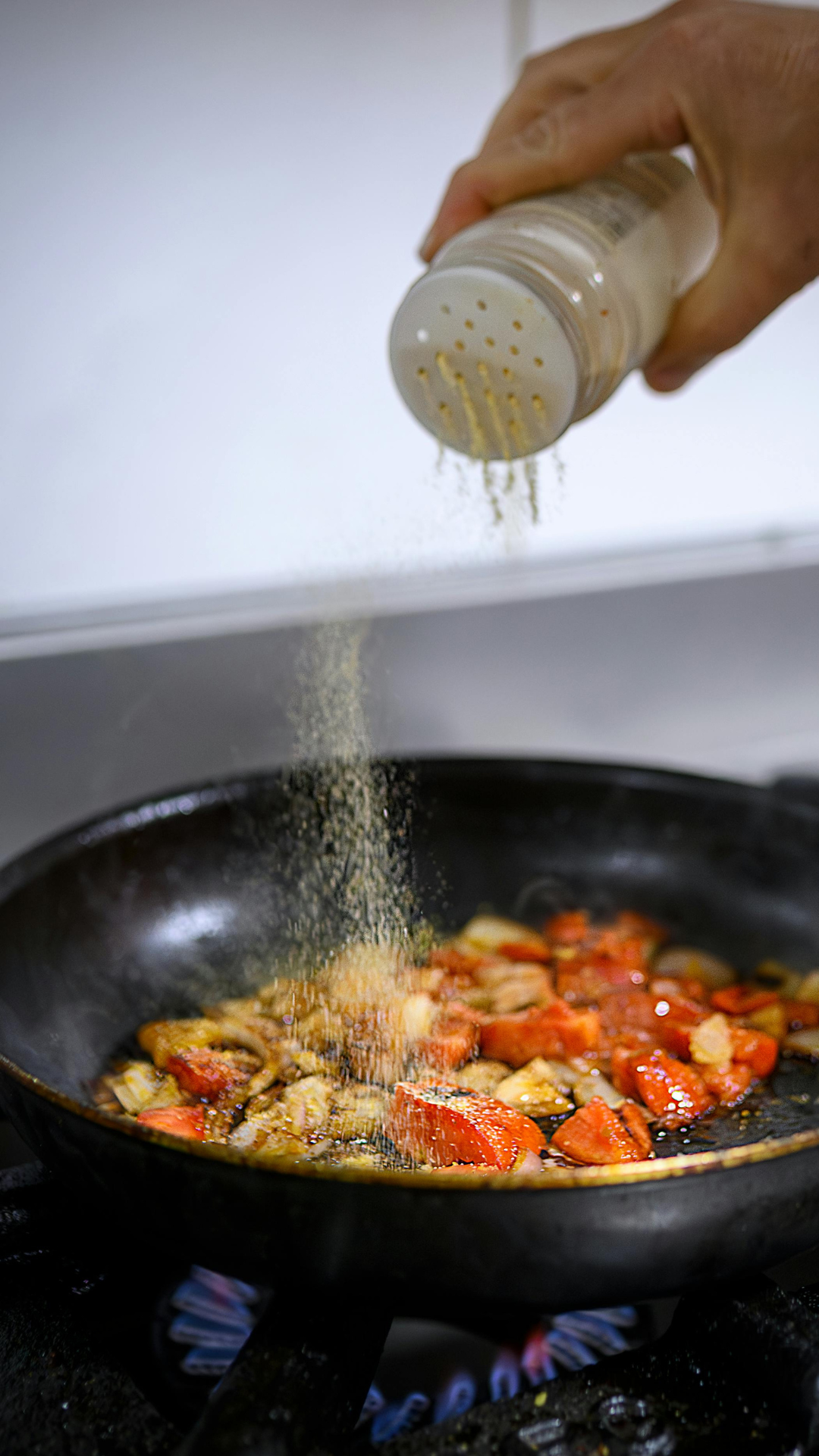
Start with the fastest path to “real food” using your freezer and pantry like they’re a personal chef. Frozen vegetables aren’t a compromise—they’re a shortcut to nutrients with zero chopping. Toss them into a microwaved rice pouch, instant noodles upgraded with an egg, or a can of beans warmed with salsa and a handful of spinach. If you keep one “base” (rice, bread, tortillas, pasta) and one “protein” (eggs, canned fish, tofu, Greek yogurt, beans, rotisserie chicken), you can assemble dinner in the time it takes to get your phone charger from across the room.
When you truly can’t cook, lean into “assembly meals” that feel like food and not a snack spiral. A loaded toast situation is elite: whole-grain toast plus hummus and tomatoes, or peanut butter and banana with a pinch of salt, or cottage cheese with olive oil and pepper. A high-protein bowl works the same way: yogurt topped with berries and granola, or a “charcuterie-but-make-it-budget” plate with cheese, fruit, nuts, crackers, and some baby carrots. The secret is giving yourself permission to call it dinner once it’s on a plate.
If you can manage one pan (or one pot), you unlock comfort without complexity. Scramble eggs with frozen veggies and cheese; it’s done before you can talk yourself out of it. Warm a can of lentil or tomato soup and stir in extra greens, then dunk toast or a quesadilla in it like a functional adult. Or do the laziest, most satisfying stir-fry: frozen veg in a hot pan, add a protein you already have, splash soy sauce or teriyaki, and dump it over rice. It tastes like effort, but it’s mostly heat.
The bigger win is setting up “tired-you insurance” for the future, without pretending you’ll meal prep like a influencer. Next time you have even a sliver of energy, double one easy thing—extra rice, extra pasta, extra roasted veggies—and stash it. Keep a few reliable “panic add-ons” on hand: bagged salad, frozen edamame, canned beans, jarred pesto, salsa, and eggs. Then when you’re tired, hungry, and over it, you won’t need motivation—you’ll just need a spoon.
Healthy Living on Autopilot: Tiny Systems That Save You
Willpower is a terrible long-term plan, especially on busy weeks when everything feels like it’s happening at once. The real secret to healthy living is building tiny systems that work even when you’re tired, distracted, or unmotivated. Think less “new lifestyle” and more “small defaults” that quietly steer you toward better choices. Autopilot doesn’t mean rigid—it means you’ve removed just enough friction that the healthy option becomes the easiest option most days.
Start with your environment, because it’s doing more decision-making than you think. Put fruit where you can see it, water where you can reach it, and the “good enough” snacks at eye level. If you want to move more, make movement visible: sneakers by the door, a resistance band next to your couch, a yoga mat that isn’t buried in a closet. The goal is not to guilt yourself into better habits—it’s to make the next right thing feel almost accidental.
Food autopilot works best when you stop chasing variety and start collecting reliable “templates.” Build a short list of meals you can make half-asleep: a protein + a veggie + a carb, a soup + a sandwich, a big salad + something warm, a breakfast-for-dinner plate. Keep a few shortcut staples on hand—frozen vegetables, canned beans, rotisserie chicken, eggs, microwave rice, bagged salad—so you’re never starting from zero. When your kitchen is stocked for assembly, you don’t need inspiration; you just need five minutes.


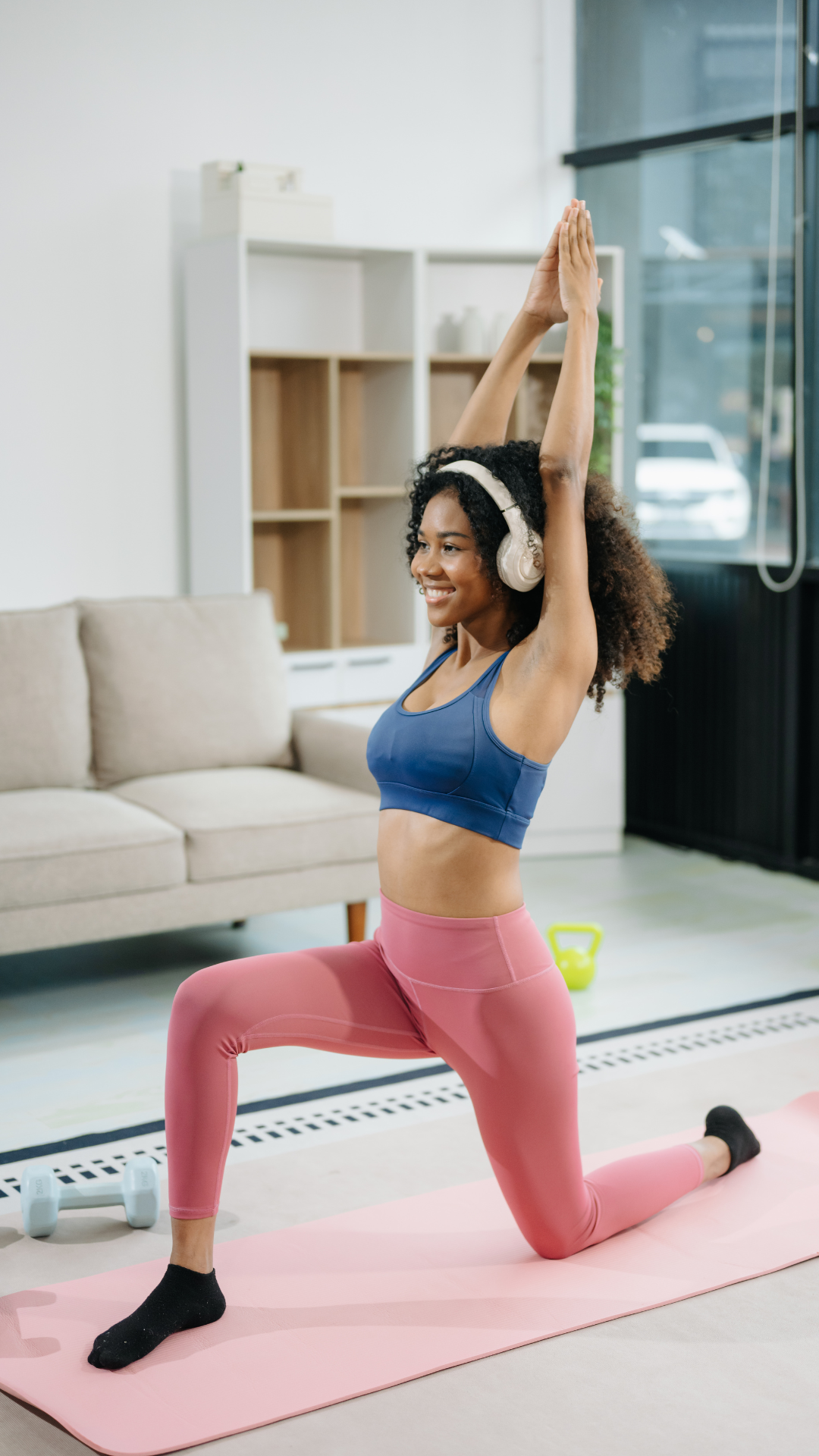
Movement autopilot is less about workouts and more about building tiny cues into your day. Attach walking to something you already do: a 10-minute walk after lunch, pacing during a phone call, stretching while the coffee brews. Set “minimums” that are too small to fail, like five push-ups before a shower or one song of dancing in your room. Ironically, small habits are the ones that stick, and once you start, you often do more—but the system works even if you don’t.
Sleep and stress are the hidden levers, and they respond well to simple guardrails. Make a “soft shutdown” routine that signals your brain it’s time to land: dim lights, charge your phone outside your bed, and do one calming thing on repeat—reading, a shower, gentle stretching, a boring podcast. If anxiety spikes, build a one-minute reset you can actually use: drink water, unclench your jaw, exhale slowly, and name three things you can see. These aren’t dramatic changes, but they keep you from sliding into the spiral where everything gets harder.
The magic of autopilot is that it’s forgiving—you can have a messy day and still stay generally on track because the defaults catch you. If you want to start today, pick just one system: a “go-to” breakfast, a standing water bottle, a 10-minute walk trigger, or a phone-off time. Make it so easy it feels silly, then let repetition do the heavy lifting. Health doesn’t have to be a project; it can be a background setting.
Strength at Home: The No-Equipment Routine That Sticks
The best home workout isn’t the hardest one—it’s the one you’ll actually repeat when life gets busy. No equipment strength training works because it removes the biggest barriers: time, commuting, and the mental load of “getting ready.” Done consistently, bodyweight basics can build real strength, improve posture, and make everyday movement feel easier. The trick is keeping it simple enough that you don’t negotiate with yourself every time.
Anchor your routine around a handful of movements that cover the whole body: a squat pattern, a hinge pattern, a push, a pull, and a core brace. No equipment doesn’t mean no options—you can squat to a chair, do push-ups against a counter, hinge with a backpack, and pull by rowing a towel around a sturdy pole or doing “reverse snow angels” on the floor. If you’re not sure where to start, pick four moves and do them in a short circuit. Your goal is to finish feeling worked, not wrecked, so you can come back tomorrow.
Here’s a routine that sticks because it’s short, repeatable, and scalable: squats (or sit-to-stands), push-ups (wall, counter, knees, or full), hip hinges (good mornings or backpack deadlifts), and a plank variation. Do 2–4 rounds, keeping 1–3 reps “in the tank” each set so your form stays clean. If you want a fifth move, add lunges or glute bridges for extra lower-body strength. Rest just enough to breathe normally, then keep moving—momentum is your friend.
Progress doesn’t require fancy programming; it just requires a clear “next step.” Each week, choose one way to level up: add a few reps, add a round, slow down the lowering phase, shorten rest, or move to a harder variation. If push-ups feel impossible, make them so easy you can’t fail—hands on a wall, then a counter, then a chair, then the floor. If squats bother your knees, reduce depth, use a chair target, and focus on controlled movement. Tiny upgrades compound faster than dramatic overhauls.
To make it stick, tie it to a specific moment in your day and keep the start ridiculously small. “After I brush my teeth, I do one round” is more powerful than “I’ll work out later.” Keep a playlist ready, leave a mat where you can see it, and decide your minimum: five minutes counts, always. On days you feel great, you’ll do more; on days you don’t, you’ll still keep the chain alive.
Consistency is the real secret sauce, and the way you get it is by making strength training feel like a normal part of being at home—like making coffee or doing dishes. If you miss a day, you didn’t fail; you just return to the next session without punishment workouts or guilt spirals. The routine that sticks is the one that fits your life, not the one that looks impressive on paper. Show up, do the basics, repeat—your body will take it from there.

Build strength by keeping it simple: do the basics often, start tiny, and let consistency do the work.
Low-Stress Habits That Make You Feel Less Frazzled
Feeling frazzled usually isn’t one big problem—it’s a hundred tiny frictions stacked on top of each other. Your brain is juggling open tabs: unfinished tasks, background worries, small messes, missed messages, and the constant sense that you’re behind. The goal isn’t to become a zen person who never gets stressed; it’s to lower the daily noise so stress has less to latch onto. Low-stress habits work because they’re small enough to do on bad days, which is exactly when you need them most.
Start with a one-minute reset you can use anywhere, because your nervous system loves a quick signal that you’re safe. Exhale longer than you inhale a few times, drop your shoulders, unclench your jaw, and put both feet on the floor like you mean it. If your mind is racing, name five things you can see and one thing you can feel—texture, temperature, pressure. This isn’t about “calming down perfectly,” it’s about interrupting the spiral long enough to choose your next step. Even a small pause can turn a chaotic moment into something workable.
Next, reduce decision fatigue with tiny defaults that keep you from reinventing your day. Pick a simple breakfast you can repeat, a go-to lunch you can assemble fast, and a “fallback dinner” that requires minimal thought. Create a short list called “When I’m overwhelmed” with three actions that help—walk for ten minutes, tidy one surface, drink water and eat something with protein. When you’re stressed, your brain wants clarity, not options, so give it a few pre-made paths.

A little order goes a long way, but only if you keep it gentle and specific. Try a daily “closing shift” that takes five minutes: clear one counter, reset the sink, and put tomorrow’s essentials in one spot. The point isn’t a spotless home; it’s removing the visual clutter that keeps your brain on alert. If you’re short on time, focus on “high-impact zones” like your entryway, your bed, and the place you make coffee. Small resets make mornings feel less like an ambush.
Time stress often comes from tasks living in your head instead of somewhere you can see them. Do a quick “mind dump” into one note—everything you’re carrying, no sorting, no judging. Then pick one tiny next action for the most annoying thing, like “reply with one sentence” or “open the document and title it.” If it takes under two minutes, do it immediately; if not, put it on a list with a specific time. Your brain relaxes when it trusts you won’t forget.
Finally, protect a little recovery like it’s part of the plan, not a reward for finishing everything. Build micro-breaks into your day: step outside for fresh air, stretch while something heats up, put your phone down for one song. At night, create a softer landing by dimming lights and doing the same calming routine on repeat, even if it’s short. The less frazzled life isn’t built from big transformations—it’s built from small, repeatable moments that tell your brain, “We’re okay, and we’re handling it.”
Healthy Living When Life Is Messy: A Realistic Weekly Plan
Messy weeks don’t need perfect plans—they need a few sturdy defaults that keep you from sliding into “whatever’s easiest” all week long. The goal is to cover the basics (food, movement, sleep, stress) with the least possible planning overhead, then leave plenty of room for real life. Think of this as a flexible framework: you’ll repeat simple meals, use shortcuts shamelessly, and choose the “minimum effective dose” on days when everything goes sideways. Consistency comes from having a plan you can still follow at 40% energy.
Start with a 20-minute “set the week up” moment (ideally Sunday, but any day works): pick two easy proteins (eggs + rotisserie chicken/tofu/beans), two carbs (microwave rice + tortillas/bread), and two produce strategies (frozen veg + bagged salad or pre-cut veggies). Add two sauces you actually like (salsa, pesto, teriyaki, tahini, peanut sauce) and you’ve basically built a week of meals without cooking much. Your repeating meal templates are: a warm bowl (rice + protein + veg + sauce), a wrap (tortilla + protein + greens + something crunchy), and a “big snack plate” (yogurt/cottage cheese or hummus + fruit + nuts/crackers + veggies). If you can keep these ingredients around, you always have a healthy option that’s faster than takeout.
Here’s a realistic weekly food rhythm: two “real cook” moments max, and everything else is assembly. Monday: warm bowl night (leftovers welcome). Tuesday: wraps or quesadillas with a side salad. Wednesday: breakfast-for-dinner (eggs + frozen veg + toast) or a quick soup upgrade (store soup + extra greens + beans). Thursday: repeat your favorite from earlier in the week. Friday: “fun but anchored” (order or eat out, but add one stabilizer like a side salad, extra protein, or split portions for tomorrow). Weekend: one batchable thing you genuinely enjoy (sheet-pan veggies, chili, a big pasta salad) and freeze or portion some so future-you has a lifeline.
Movement stays consistent when it’s small, scheduled, and flexible: aim for two “anchor” strength sessions (15–25 minutes) and three “movement snacks” days (10–20 minutes). Example: Mon/Thu strength at home (squats, push-ups, hinges, planks), Tue/Wed/Fri a brisk walk, bike, or quick yoga flow—whatever is easiest to start. On chaotic days, the rule is “do the minimum, keep the streak”: five minutes counts, one round counts, a walk to the end of the block counts. If you want structure, tie it to something that already happens (after coffee, after lunch, right before a shower) so you’re not relying on motivation.
To keep stress and sleep from unraveling everything, add two tiny guardrails: a daily “closeout” (5 minutes to reset one surface and set out tomorrow’s essentials) and a bedtime buffer (10 minutes of dim lights + phone away + one calming repeatable thing). Midweek, do a 10-minute rescue: restock one snack/protein, wash a few dishes, and make sure you have something easy for the next 24 hours. This plan works because it’s not all-or-nothing—you’re just keeping the basics covered often enough that even a messy week feels steadier, and you start the next week without needing a full reset.

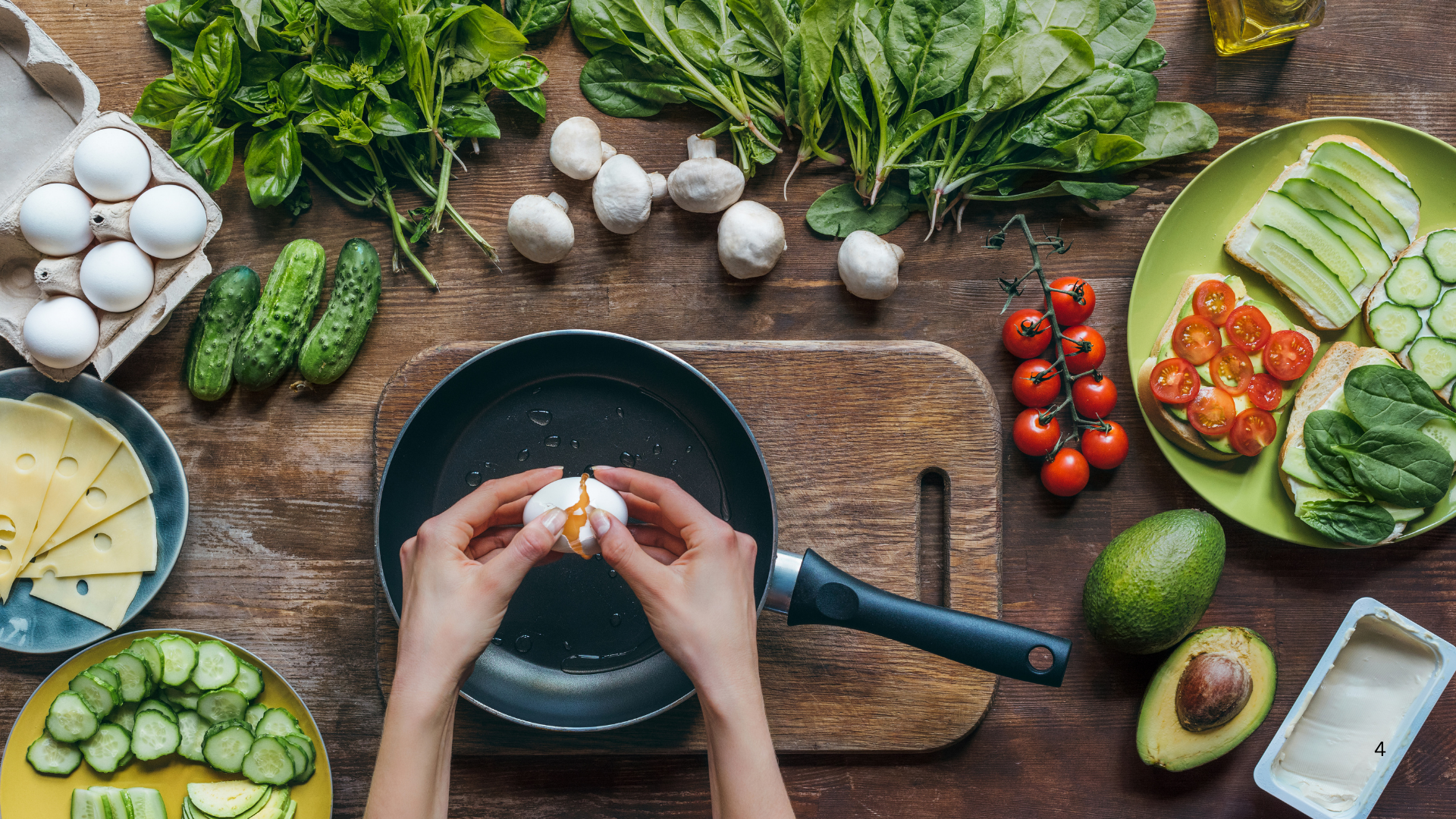
Catch morning light and move a little—set your rhythm, own your day.