
Build a sustainable fitness routine with small, realistic habits that boost strength, energy, and consistency without burnout.

In This Edition
Move More, Feel Better: The Smallest Habits With the Biggest Payoff
Strength Training Basics: A Simple Plan for Real-World Strength
Cardio Without the Dread: Find Your “I Can Do This” Pace
Mobility Matters: Looser Hips, Happier Shoulders, Fewer Aches
The Weekly Workout Blueprint: How to Balance Strength, Cardio, and Recovery
Warm-Up Like You Mean It: A 5-Minute Prep That Boosts Performance
Core, Actually: Stability Training Beyond Crunches
Progress Without Burnout: How to Increase Intensity Safely
Consistency Over Motivation: Systems That Keep You Showing Up
Fitness for Busy Days: 10–20 Minute Workouts That Count
Train Smarter, Not Harder: Form Cues That Prevent Injuries
Active Recovery: Walking, Stretching, and Low-Intensity Days That Help
Fuel Your Workouts: What to Eat Before and After Exercise
Track What Matters: Simple Metrics Beyond the Scale
Make It Fun: How to Stick with Movement You Genuinely Enjoy
Frequently Asked Questions
Move More, Feel Better: The Smallest Habits With the Biggest Payoff
When it comes to movement, the biggest misconception is that it has to be intense to count. In reality, small, consistent bursts of activity can dramatically improve your mood, energy, and long-term health. You don’t need a perfect workout plan or an hour at the gym. Often, the smallest habits—done regularly—create the biggest payoff.
Move for just a few minutes every day—small steps build momentum, mood, and strength fast.

Start with the two-minute rule. If motivation feels low, commit to just two minutes of movement: a short walk, a set of squats, gentle stretching, or marching in place. Starting is the hardest part, and once you begin, you’ll often keep going. Even if you don’t, those two minutes still interrupt sedentary time and signal to your brain that you’re someone who moves.
Next, anchor movement to routines you already have. Do calf raises while brushing your teeth. Take a five-minute walk after lunch. Stretch while your coffee brews. These “movement snacks” accumulate throughout the day, improving circulation, reducing stiffness, and boosting focus without requiring extra scheduling. When habits attach to existing cues, they’re far more likely to stick.
Don’t underestimate the mental health benefits. Physical activity increases endorphins, reduces stress hormones, and can quickly shift your emotional state. A brisk 10-minute walk outdoors, especially in natural light, can ease tension and clear mental fog. On hard days, movement doesn’t need to be structured—it just needs to be consistent enough to help you reset.
The goal isn’t perfection; it’s momentum. Instead of aiming for all-or-nothing workouts, focus on daily movement in any form. Park farther away. Take the stairs. Dance while cooking dinner. Over time, these small choices compound, strengthening your body, steadying your mood, and reinforcing a powerful identity: you are someone who moves. And when you move more, you almost always feel better.
Strength Training Basics: A Simple Plan for Real-World Strength
Strength training doesn’t have to be complicated to be effective. You don’t need advanced programming, endless variety, or hours in the gym to build meaningful, real-world strength. At its core, strength training is about teaching your body to produce force efficiently and safely. With a simple structure and consistent effort, you can improve muscle tone, joint stability, posture, and overall resilience in everyday life.
Start with the foundational movement patterns: squat, hinge, push, pull, and carry. These patterns mirror how you move outside the gym—sitting and standing, picking things up, pushing doors, pulling objects, and carrying groceries. Exercises like goblet squats, deadlifts or hip hinges, push-ups, rows, and farmer carries cover most of what your body needs. By focusing on these basics, you build balanced strength that translates directly into daily tasks.

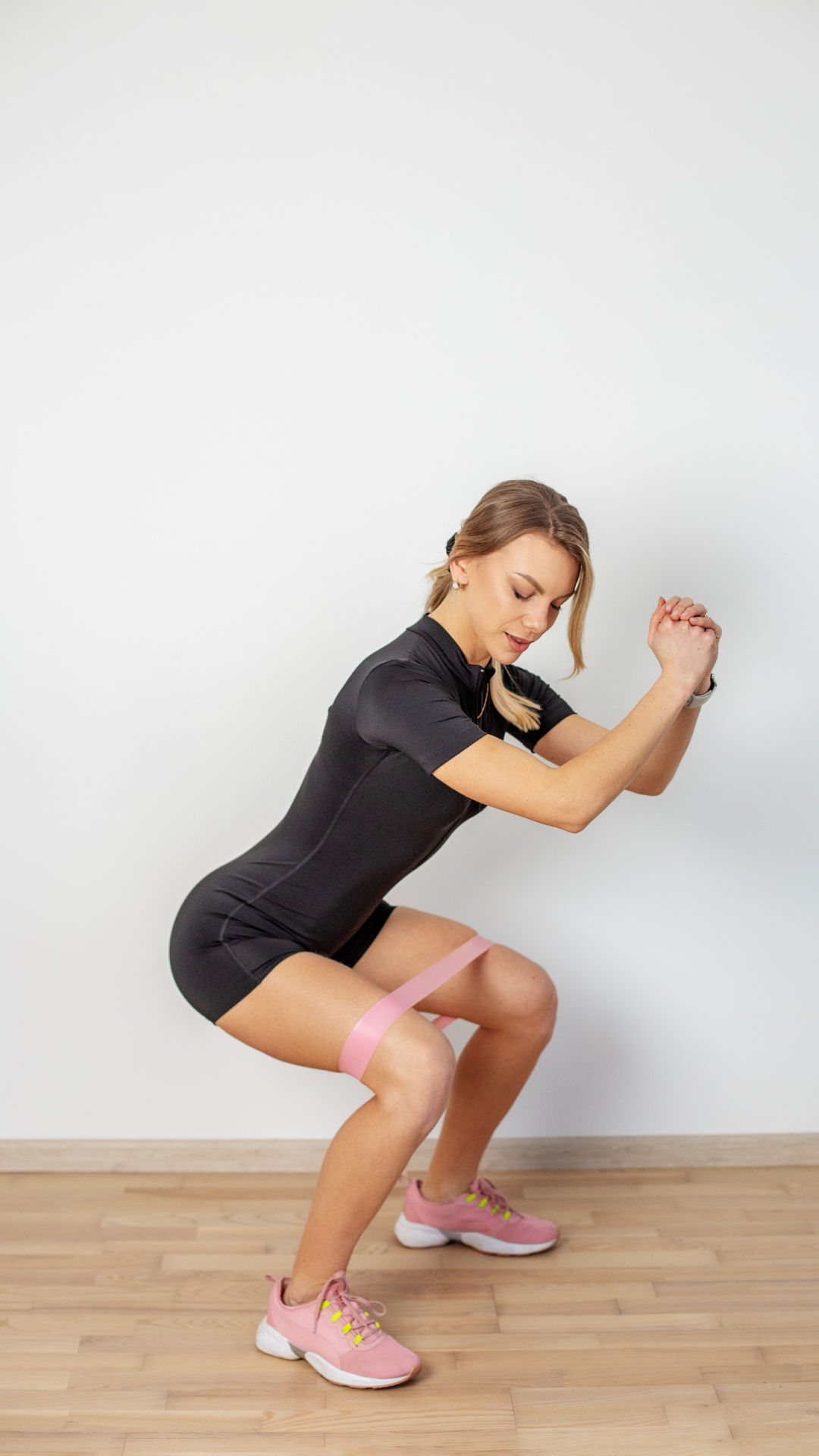

A practical plan for most people is full-body training two to four times per week. Choose one exercise from each movement pattern and perform 2–4 sets of 6–12 controlled repetitions. Use a weight that feels challenging by the final few reps while maintaining good form. As the exercises begin to feel easier, gradually increase the weight, repetitions, or sets. This principle—progressive overload—is what signals your muscles to adapt and grow stronger.
Rest and recovery are just as important as the workouts themselves. Muscles rebuild during downtime, not during the session. Aim for quality sleep, adequate protein intake, and at least one rest day between intense strength sessions for the same muscle groups. Consistency over time beats occasional all-out effort. Small improvements each week compound into significant gains over months.
The goal of strength training isn’t just aesthetics—it’s capability. It’s being able to lift luggage without strain, play with your kids without fatigue, and maintain independence as you age. Keep the plan simple, focus on mastering the basics, and show up consistently. Real-world strength is built through repetition, patience, and a commitment to doing the fundamentals well.
Cardio Without the Dread: Find Your “I Can Do This” Pace
For many people, cardio feels synonymous with exhaustion—lungs burning, legs heavy, motivation fading fast. That dread often comes from going too hard, too soon. The good news? Effective cardiovascular training doesn’t require all-out effort. In fact, the most sustainable gains often come from dialing it back and discovering a pace that feels challenging yet manageable—the sweet spot where you think, “I can do this.”
Your “I can do this” pace is typically conversational. You’re breathing more deeply, but you can still speak in short sentences without gasping. This moderate intensity zone strengthens your heart, improves endurance, and builds aerobic capacity without overwhelming your nervous system. It also allows you to stay consistent, which matters far more than occasional high-intensity bursts followed by burnout or skipped workouts.
One simple way to find this pace is to start slower than you think you need to. Whether you’re walking, jogging, cycling, or using a rowing machine, ease into the session and gradually build. If you feel like you could maintain the effort for 20–40 minutes without counting down every second, you’re likely in the right range. Over time, that same effort will carry you farther and faster—a sign your fitness is improving without added strain.
Variety can also reduce dread. Cardio doesn’t have to mean treadmill intervals if that’s not your thing. Brisk outdoor walks, dance classes, hiking, swimming, or recreational sports all count. The best form of cardio is the one you’ll repeat. When movement feels less like punishment and more like participation, motivation becomes easier to access.
Ultimately, cardio should leave you feeling energized, not defeated. By choosing a sustainable pace and reframing intensity as something you control—not something that controls you—you build a positive feedback loop. Each session becomes proof that you’re capable, consistent, and progressing. And that steady confidence is what keeps you coming back.

Choose a pace that feels doable, stay consistent, and watch cardio turn from dread into confidence
Mobility Matters: Looser Hips, Happier Shoulders, Fewer Aches
If stiffness has become your “normal,” you’re not alone. Long hours at desks, time spent on phones, and repetitive daily movements can quietly limit mobility over time. Tight hips, rounded shoulders, and nagging aches don’t appear overnight—but they can become persistent if ignored. The good news? You don’t need hour-long stretching sessions to feel better. A few minutes of intentional mobility work each day can restore range of motion and reduce discomfort in powerful ways.
Start with the hips, one of the most commonly restricted areas in the body. Prolonged sitting keeps hip flexors shortened and glutes underused, contributing to lower back tension and stiffness. Simple movements like hip flexor stretches, glute bridges, and deep bodyweight squats help counteract that pattern. Even spending a few minutes in a gentle lunge stretch or seated figure-four position can improve circulation and ease tightness.

Shoulders deserve equal attention. Hours spent typing or scrolling often pull them forward into a rounded posture, leading to upper back and neck strain. To reset, focus on opening the chest and strengthening the upper back. Wall angels, band pull-aparts, and doorway chest stretches are simple but effective tools. Pair these with mindful posture checks throughout the day—shoulders down and back, chin gently tucked—to reinforce better alignment.
Consistency matters more than intensity. Five to ten minutes of daily mobility work will outperform one long session once a week. Attach mobility to an existing habit—after workouts, before bed, or during a midday break. Gentle, controlled movements through your full range of motion signal to your joints that it’s safe to move freely, reducing stiffness over time.
Mobility isn’t about extreme flexibility; it’s about moving comfortably through daily life. When your hips feel loose and your shoulders feel supported, everyday tasks—from lifting groceries to sitting at your desk—become easier and less taxing. A small daily investment in mobility can mean fewer aches, better posture, and a body that feels more capable at any age.
The Weekly Workout Blueprint: How to Balance Strength, Cardio, and Recovery
A well-balanced workout routine doesn’t require two-a-day sessions or complicated programming—it requires structure. The key to sustainable progress is balancing strength, cardiovascular training, and recovery in a way that supports your goals without overwhelming your nervous system. When these three elements work together, you build fitness that’s not just impressive, but durable.
Strength training should form the foundation of your week. Aim for two to four sessions that focus on full-body movement patterns—squat, hinge, push, pull, and carry. This builds muscle, supports joint health, improves metabolism, and protects against injury. Spacing these sessions out—such as Monday, Wednesday, and Friday—gives your body time to repair and adapt between workouts. Strength creates the structure that everything else builds upon.
Cardio complements strength by supporting heart health, endurance, and recovery capacity. A mix of moderate steady-state sessions (like brisk walking, cycling, or swimming) and one higher-intensity workout can cover most needs. Two to three cardio sessions per week is sufficient for many people. Keep in mind that cardio shouldn’t constantly leave you depleted—its role is to enhance conditioning, not compete with your strength work.
Recovery is the piece most often skipped, yet it determines how well the rest of your plan works. At least one full rest day per week allows your nervous system and muscles to reset. Active recovery—like light walking, mobility work, or yoga—can promote blood flow without adding stress. Quality sleep, hydration, and adequate protein intake also directly impact how effectively you adapt to training.
A simple weekly blueprint might look like this: three strength sessions, two cardio sessions, one active recovery day, and one full rest day. Adjust based on your schedule and energy levels, but keep the balance intact. Fitness isn’t about doing more—it’s about doing enough, consistently, while giving your body time to rebuild. When strength, cardio, and recovery are aligned, progress becomes steady and sustainable.


Balance strength, cardio, and recovery each week for steady progress that lasts.
Warm-Up Like You Mean It: A 5-Minute Prep That Boosts Performance
If your workouts start the moment you pick up a weight or press “start” on the treadmill, you’re leaving performance on the table. A proper warm-up isn’t just about preventing injury—it primes your muscles, joints, and nervous system to move efficiently. In five focused minutes, you can increase power output, improve mobility, and make the entire session feel smoother from the first rep.
Warm up for 5 minutes to move better, lift stronger, and avoid injury.

Begin by raising your core temperature. Spend one to two minutes on light, rhythmic movement such as brisk walking, cycling, jumping jacks, or marching in place. The goal isn’t fatigue—it’s circulation. As blood flow increases, muscles become more elastic and responsive, reducing stiffness and improving range of motion.
Next, move into dynamic mobility. Think controlled, active movements rather than long static stretches. Arm circles, leg swings, hip circles, and torso rotations help lubricate joints and wake up key muscle groups. If you’re lifting weights, focus especially on the joints you’ll be using—shoulders and upper back for upper-body days, hips and ankles for lower-body sessions.
Then activate the muscles you’re about to rely on. Glute bridges, bodyweight squats, push-ups, or light resistance band work can “switch on” stabilizers that often stay dormant after long periods of sitting. This step sharpens the mind-muscle connection, improving coordination and strength once the real work begins.
Finally, rehearse the movement pattern. Perform a lighter, slower version of your first main exercise—such as an empty-bar squat or a few easy jog strides. This bridges the gap between preparation and performance. In just five intentional minutes, you shift from cold and reactive to warm and ready. And that small investment pays off in better reps, stronger output, and fewer setbacks over time.
Core, Actually: Stability Training Beyond Crunches
When most people think of core training, they picture crunches or sit-ups. But your core is much more than your abs—it’s a complex system of muscles that stabilize your spine, support your posture, and transfer force between your upper and lower body. True core strength isn’t about visible definition; it’s about control, balance, and resilience in everyday movement.
Your core includes the deep stabilizers like the transverse abdominis, multifidus, diaphragm, and pelvic floor, along with larger muscles such as the obliques and lower back. These muscles work together to create stability, not just motion. That’s why endless crunches often miss the mark. They train spinal flexion, but they don’t fully develop the anti-rotation, anti-extension, and anti-lateral flexion strength your body relies on throughout the day.
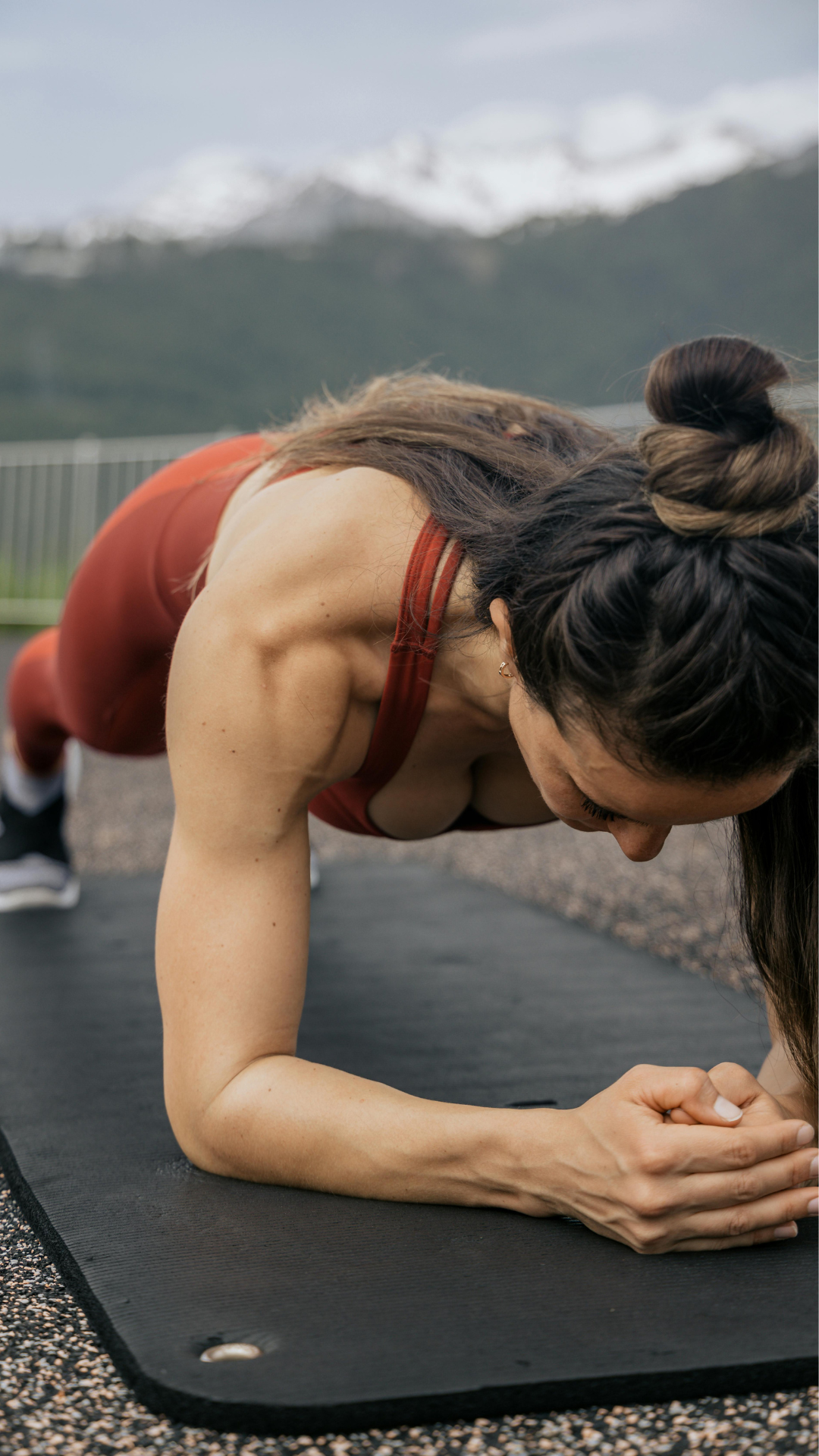
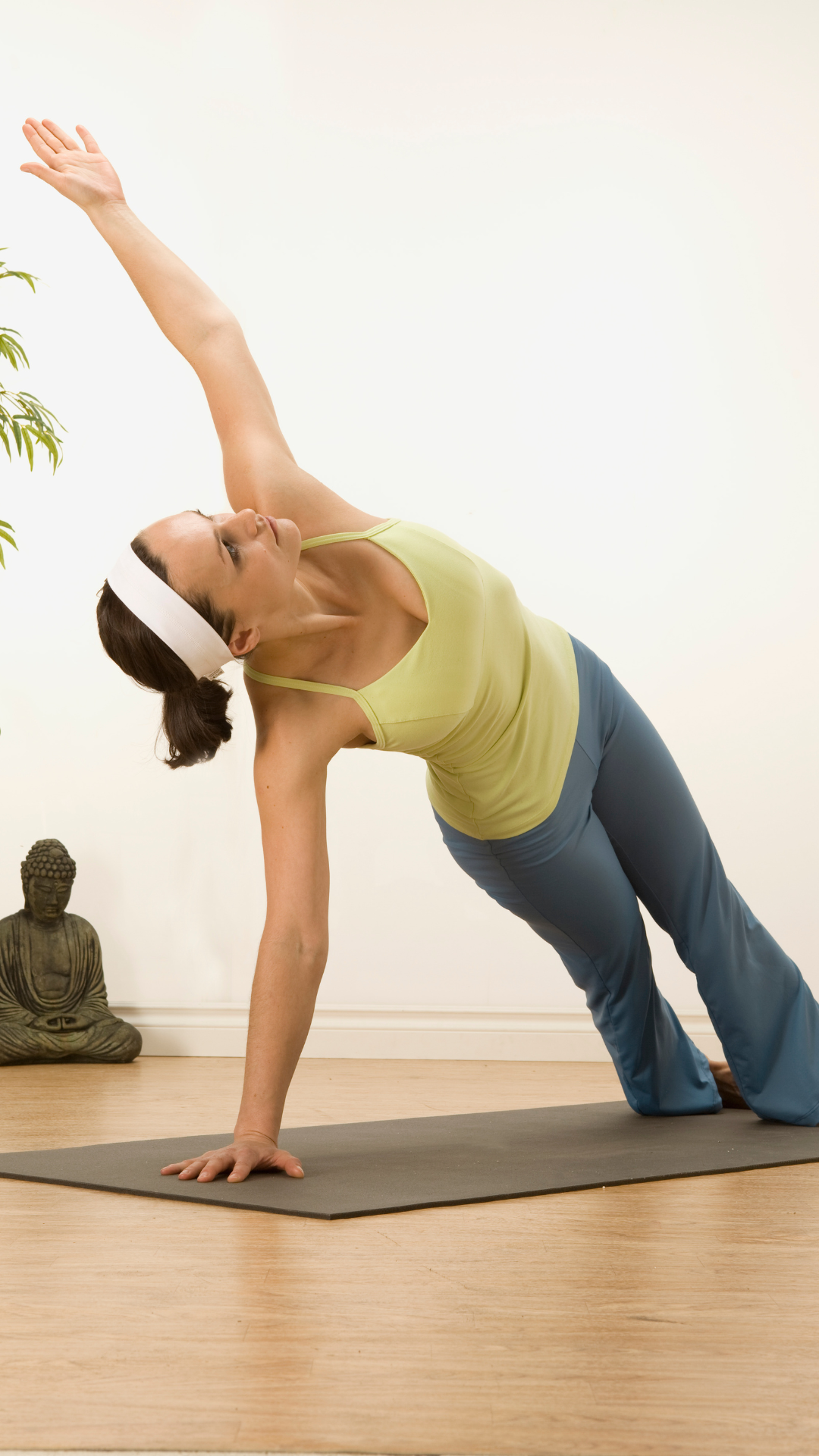
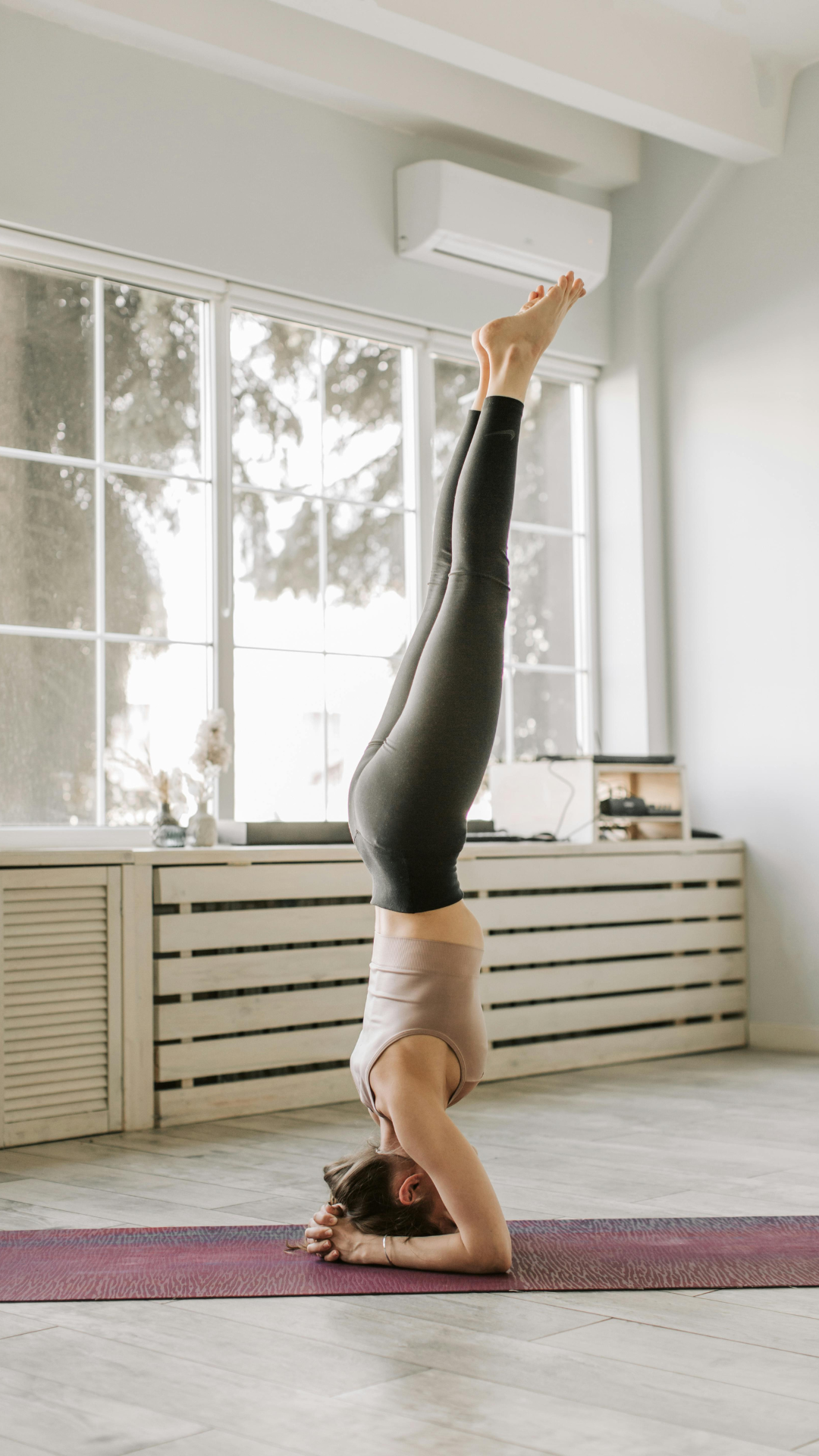
Instead, focus on exercises that resist movement rather than create it. Planks and side planks teach anti-extension and anti-lateral flexion control. Dead bugs and bird dogs build coordination between limbs while maintaining spinal stability. Pallof presses challenge anti-rotation strength, which is essential for protecting your back during twisting motions. These movements may look simple, but when done slowly and with intention, they’re highly effective.
Breathing also plays a critical role. Proper core engagement begins with diaphragmatic breathing—expanding your ribs and abdomen as you inhale, then gently bracing as you exhale. This coordinated breathing pattern supports spinal alignment and improves overall stability. Without it, even the best exercises lose effectiveness. Think of your breath as the foundation that makes every core movement stronger and safer.
When you train your core for stability, the benefits extend far beyond the gym. You may notice improved posture, fewer back aches, better balance, and more power in lifts and athletic activities. Core training isn’t about chasing burn—it’s about building a solid foundation. And when your foundation is strong, everything else moves better on top of it.
Progress Without Burnout: How to Increase Intensity Safely
Progress in fitness requires challenge—but there’s a difference between productive stress and overload. Increasing intensity too quickly can leave you exhausted, injured, or mentally drained. The goal isn’t to push harder at all costs; it’s to apply stress in a way your body can adapt to. When you respect recovery and scale strategically, progress becomes sustainable rather than cyclical.
The foundation of safe progression is gradual overload. This means making small, measurable increases over time—adding five pounds to a lift, one extra repetition per set, a slightly longer interval, or an additional set. These subtle adjustments compound without shocking your system. Large jumps in volume or intensity might feel motivating in the moment, but they often outpace your body’s ability to recover.
Equally important is monitoring how you feel outside the gym. Poor sleep, lingering soreness, irritability, loss of motivation, and plateaued performance can signal that intensity is too high. Training should challenge you, but it shouldn’t consistently drain you. A simple check-in—asking whether you feel stronger week to week or simply more fatigued—can guide smarter decisions.
Structured variation also prevents burnout. Not every session needs to be maximal effort. Incorporate lower-intensity days, technique-focused workouts, or deload weeks every four to six weeks where you intentionally reduce volume or weight. These built-in resets allow your nervous system and connective tissues to recover fully, often leading to stronger performance afterward.
Progress without burnout comes down to patience and awareness. Intensity is a tool, not a badge of honor. When you increase it thoughtfully—layer by layer—you create an upward trend that lasts. Fitness isn’t proven by how exhausted you are; it’s proven by how consistently you can show up, improve, and recover.

Progress comes from small increases and smart recovery—not pushing until you burn out.
Consistency Over Motivation: Systems That Keep You Showing Up
Motivation is exciting—but unreliable. It surges after a good night’s sleep, a new goal, or an inspiring podcast, then quietly disappears when stress, fatigue, or a busy schedule take over. If you rely on motivation alone, your habits will always feel fragile. Consistency, on the other hand, is built on systems—simple structures that reduce decision-making and make follow-through almost automatic.
The first powerful system is environmental design. Your surroundings shape your behavior more than willpower does. Lay out workout clothes the night before. Keep a water bottle on your desk. Store cut vegetables at eye level in the fridge. When the desired action is the easiest option, you remove friction. The goal isn’t discipline—it’s convenience. Make the healthy choice the default choice.
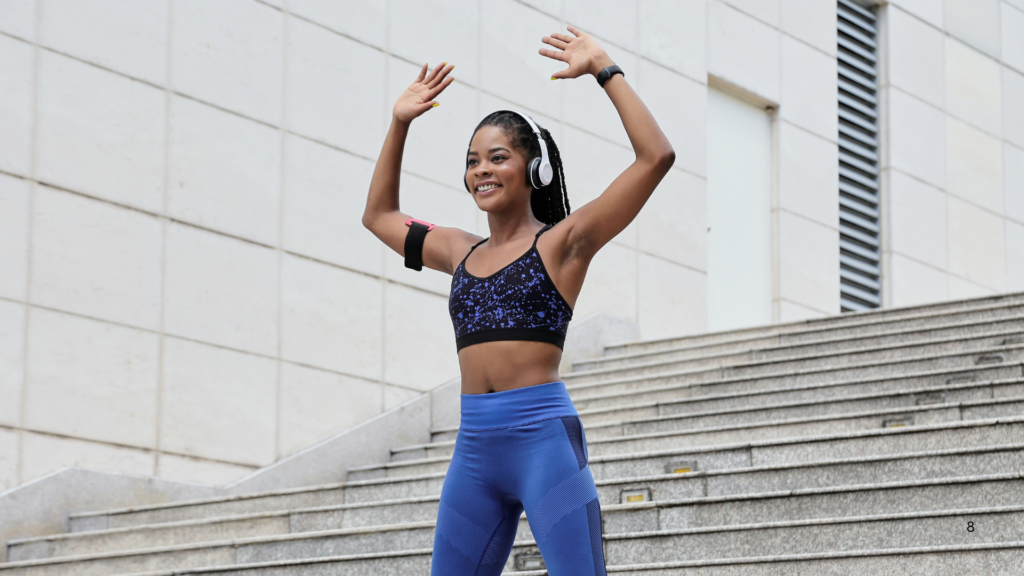
Next, shrink the habit. Big goals often fail because they feel overwhelming on low-energy days. Instead of committing to a 60-minute workout, commit to five minutes. Instead of writing a full page, write one sentence. Small actions lower resistance, and once you start, momentum frequently carries you further. Even when it doesn’t, you’ve still reinforced the identity of someone who shows up.
Another key system is scheduling. Treat important habits like appointments rather than optional tasks. Block time for workouts, meal prep, or personal projects in your calendar. When a behavior has a designated slot, it becomes part of your routine rather than something you squeeze in “if there’s time.” Consistency thrives on predictability.
Finally, track evidence—not perfection. Mark completed days on a calendar or habit tracker and aim to never miss twice. Life will disrupt your rhythm occasionally, but the strength of a system is how quickly it pulls you back. When you focus less on feeling inspired and more on making habits automatic, progress becomes steady. Motivation may spark the start, but systems are what carry you forward.
Fitness for Busy Days: 10–20 Minute Workouts That Count
When your schedule feels packed, fitness is often the first thing to fall off the list. But movement doesn’t have to take an hour to be effective. In fact, short, focused workouts can improve strength, boost cardiovascular health, and elevate your mood in less time than it takes to scroll your phone. The key isn’t duration—it’s intention.
Start by shifting your mindset. A 10–20 minute workout “counts” when it’s purposeful and moderately challenging. Instead of aiming for perfection, aim for consistency. Three to five short sessions per week can deliver meaningful results when they include compound movements that work multiple muscle groups at once. Think squats, push-ups, lunges, rows, and planks—exercises that give you more return for your time.
For a quick strength circuit, try this simple structure: set a timer for 15 minutes and rotate through five movements—bodyweight squats, push-ups (or incline push-ups), reverse lunges, glute bridges, and forearm planks. Perform each for 30–40 seconds, rest briefly, and repeat the circuit as many times as time allows. This format keeps your heart rate elevated while building strength and stability.
If cardio is your focus, interval training works well in short windows. Alternate 30 seconds of brisk effort—like jumping jacks, high knees, cycling, or fast walking—with 60 seconds of slower recovery. Repeat for 10–15 minutes. These short bursts challenge your cardiovascular system efficiently and can leave you energized rather than drained.
On especially hectic days, even “movement snacks” make a difference. A 10-minute walk after lunch, a quick mobility flow before bed, or a stair climb between meetings all contribute to your overall fitness. The goal isn’t to do everything—it’s to do something. When you embrace short workouts as valuable, not secondary, you create a routine that fits your life instead of competing with it.



Even 10–20 minutes of focused movement keeps you strong and energized on busy days.
Train Smarter, Not Harder: Form Cues That Prevent Injuries
When it comes to strength and conditioning, effort matters—but execution matters more. Many injuries don’t come from lifting “too heavy”; they come from lifting with poor mechanics repeatedly. Training smarter means focusing on quality of movement before intensity. Small adjustments in posture, alignment, and control can dramatically reduce strain on joints and connective tissue while improving performance.
Brace, move with control, and stop when form breaks.

One universal cue is to “brace before you move.” Whether you’re squatting, hinging, or pressing, gently tighten your core as if preparing to take a light punch. This creates stability through your spine and protects your lower back. Pair this with steady breathing—inhale before the effort, exhale through the hardest part of the movement. Stability plus controlled breath sets the foundation for safe strength.
For lower-body movements, think “sit back and push the floor away.” In squats and deadlifts, driving your hips back and keeping your weight balanced through your midfoot prevents excessive pressure on the knees and lower back. Keep your chest tall and spine neutral—avoid rounding or over-arching. Moving with control on the way down is just as important as powering up.
For upper-body exercises, focus on shoulder positioning. A simple cue is “pull your shoulders down and back” before pressing or rowing. This engages the upper back and protects the shoulder joint. In push-ups or bench presses, keep your elbows at roughly a 30–45 degree angle from your torso instead of flaring them wide. During pulling movements, think about driving your elbows toward your ribs rather than yanking with your hands.
Perhaps the most underrated injury-prevention cue is “slow down.” Momentum hides weaknesses and shifts stress to passive structures like ligaments and tendons. Controlled reps build real strength and body awareness. If you can’t maintain form, the weight is too heavy—or you’re too fatigued to continue safely. Training smarter isn’t about doing less; it’s about moving with intention so your body gets stronger without breaking down in the process.
Active Recovery: Walking, Stretching, and Low-Intensity Days That Help
Rest days don’t have to mean complete stillness. In fact, the right kind of movement can speed recovery, reduce soreness, and leave you feeling better than total inactivity. Active recovery is about lowering intensity while keeping circulation high—supporting your body’s repair process without adding more stress. It’s a strategic pause, not a step backward.
Walking is one of the simplest and most effective recovery tools. A relaxed 20–40 minute walk increases blood flow, delivering oxygen and nutrients to muscles that are rebuilding after harder sessions. It also helps clear metabolic byproducts that contribute to stiffness. Beyond the physical benefits, walking outdoors can lower stress hormones and improve mood—an often overlooked part of recovery.



Gentle mobility work and stretching are equally valuable when done intentionally. Focus on slow, controlled movements that explore range of motion rather than forcing deep stretches. Think hip openers, thoracic spine rotations, hamstring flows, or light yoga sequences. The goal isn’t to push limits—it’s to restore fluid movement and ease tight areas that may have tightened during strength or cardio training.
Low-intensity cross-training can also serve as active recovery. Easy cycling, swimming, or rowing at a conversational pace keeps your heart engaged without taxing your nervous system. Staying below high exertion levels allows your body to adapt while preventing the accumulation of fatigue that leads to burnout or plateau.
The key is listening to your energy. Active recovery should leave you feeling refreshed, not drained. When you treat low-intensity days as purposeful parts of your training plan—not skipped workouts—you build resilience. Recovery is where adaptation happens. By honoring it with movement that heals rather than harms, you set the stage for stronger sessions ahead.
Fuel Your Workouts: What to Eat Before and After Exercise
When we think of age, we typically refer to the number of years a person has been alive—this is known as chronological age. It’s a fixed count, moving forward relentlessly from the moment of birth. However, it tells us little about an individual’s actual physical condition or risk of disease. That’s where biological age comes in. Biological age estimates how well—or poorly—your body is functioning relative to your actual age. It reflects the cumulative effects of genetics, lifestyle, environment, and disease on your cells and organs.
Unlike chronological age, biological age can vary significantly between individuals of the same age group. For example, two 60-year-olds may have very different biological ages—one with the cellular health of someone decades younger, and the other showing signs of accelerated aging. This distinction is crucial because biological age is a much stronger predictor of healthspan, the length of time a person lives in good health, than chronological age alone.
Scientists measure biological age using biomarkers that track aspects of cellular and systemic health, such as DNA methylation (epigenetic clocks), telomere length, inflammation levels, glucose regulation, and organ function. These metrics help create a clearer picture of aging and risk for age-related diseases like cardiovascular disease, diabetes, and cognitive decline. Tools like these are revolutionizing our approach to preventative medicine by identifying at-risk individuals earlier and allowing for tailored lifestyle or medical interventions.
The good news is that biological age is modifiable. Factors such as a nutrient-dense diet, regular physical activity, sufficient sleep, stress management, and avoiding smoking or excessive alcohol can slow down—or even reverse—biological aging. Recent studies suggest that interventions like intermittent fasting, resistance training, and certain supplements may improve biological markers of aging more effectively than previously thought.
Ultimately, while chronological age can’t be altered, biological age provides a more meaningful framework for understanding and promoting healthy aging. Focusing on improving biological age empowers individuals to take control of their health trajectory—not just to live longer, but to live better.

Eat carbs and protein before, hydrate, and refuel with protein and carbs after.
Track What Matters: Simple Metrics Beyond the Scale
The scale is one of the most common tools people use to measure progress—but it’s also one of the most limited. Body weight fluctuates daily due to hydration, hormones, sodium intake, and digestion. When you rely on a single number to define success, it’s easy to overlook meaningful improvements happening beneath the surface. Real progress is multidimensional, and your tracking should reflect that.
Strength is one of the most powerful indicators of change. Are you lifting heavier weights, completing more repetitions, or recovering faster between sets? Improvements in performance signal muscle development, nervous system adaptation, and better overall capacity. Even small increases over time reflect forward momentum, regardless of what the scale says.

Energy and recovery are equally important metrics. Notice your sleep quality, afternoon focus, mood stability, and soreness levels. Are you waking up refreshed? Do you feel steady throughout the day instead of crashing mid-afternoon? These signals indicate that your training, nutrition, and stress management are aligned. Sustainable progress supports your life—it doesn’t drain it.
Body composition and fit can also tell a clearer story than weight alone. How do your clothes fit? Are measurements at your waist, hips, or shoulders changing? Progress photos taken under consistent lighting can reveal shifts that the scale masks. Muscle gain and fat loss can occur simultaneously, especially when you’re strength training consistently.
Ultimately, the best metrics are the ones that reflect function and well-being. Resting heart rate, step count, workout consistency, protein intake, or even daily water consumption can provide actionable feedback. When you track behaviors and performance—not just outcomes—you build habits that drive lasting results. The scale is one data point, not the headline. Real progress shows up in how you feel, move, and perform every day.
Make It Fun: How to Stick with Movement You Genuinely Enjoy
If exercise feels like punishment, consistency will always be a struggle. The problem isn’t usually discipline—it’s misalignment. When you force yourself into workouts you dread, motivation fades quickly and missed days pile up. The secret to long-term consistency isn’t finding the “perfect” program. It’s finding movement that you actually look forward to doing.
Start by redefining what counts as exercise. Structured gym sessions are just one option. Dancing in your living room, hiking local trails, recreational sports, martial arts, swimming, cycling with friends—all of these build strength and endurance. When you remove the narrow definition of what a workout “should” look like, you create room for activities that match your personality and lifestyle.
Experimentation is essential. Give yourself permission to try different classes, formats, or environments without committing long term. Maybe you prefer group energy over solo sessions. Maybe you thrive outdoors instead of under fluorescent lights. Treat it like research rather than a test of willpower. The goal isn’t to impress anyone—it’s to discover what feels engaging enough to repeat.
You can also layer enjoyment into almost any movement. Save a favorite podcast or playlist for walks. Meet a friend for weekend workouts. Track progress in a way that feels motivating, whether that’s improved pace, heavier lifts, or simply more frequent sessions. Positive associations build momentum, turning movement into something you anticipate rather than avoid.
Ultimately, the best routine is the one you sustain. Fitness doesn’t require misery to be effective. When you prioritize enjoyment alongside results, movement becomes part of your life—not a temporary phase. And when showing up feels good, consistency stops being a battle and starts becoming a habit.



Consistency comes from choosing movement you enjoy, not workouts you dread.
Frequently Asked Questions
Q1: What is the “two-minute rule”?
A: If motivation is low, commit to just two minutes of movement (walk, squats, stretching, marching in place). Starting is the hardest part, and you may keep going—but even two minutes helps.
Q2: Does strength training require complex programming and long hours in the gym?
A: No. Effective strength training can be simple, structured, and consistent without advanced programming or excessive variety.
Q3. How long should you feel capable of maintaining your cardio effort?
A: About 20–40 minutes without mentally counting down every second.
Q4: Why is 5–10 minutes daily better than one long session once a week?
A: Frequent practice reinforces movement and signals the body it’s safe to move freely, reducing stiffness over time.
Q5: What lifestyle factors directly impact recovery and adaptation?
A: Quality sleep, hydration, and adequate protein intake.
Q6: What happens when someone starts a workout without warming up first?
A: They leave performance “on the table” because the body isn’t fully prepared to move efficiently.
Q7: Why do “endless crunches” often miss the mark?
A: They mainly train spinal flexion and don’t fully develop the stability qualities the body needs (like resisting rotation/extension/side-bending).
Q8: Why can large jumps in volume or intensity backfire?
A: They can outpace recovery and “shock” the system, leading to fatigue or setbacks.
Q9: What is the “never miss twice” idea?
A: If life disrupts your routine, the goal is to get back on track immediately rather than letting one miss become a pattern.
Q10: Why does fitness often “fall off the list” for busy people?
A: Because packed schedules make longer workouts feel hard to fit in.
Q11: How can you tell if the weight is too heavy?
A: If you can’t maintain proper form or you’re too fatigued to move safely.
Q12: How should stretching during active recovery be approached?
A: With slow, controlled movements that explore range of motion rather than forcing deep stretches.
Q13: When might electrolytes be helpful?
A: During longer or higher-intensity sessions lasting over an hour, especially with heavy sweating.
Q14: Why is tracking behaviors important?
A: Because consistent behaviors drive long-term outcomes and results.
Q15: How do I figure out what kind of movement I actually enjoy?
A: Treat it like experimentation. Try different activities, settings (indoors vs. outdoors), and formats (solo vs. group) until something feels easy to repeat.