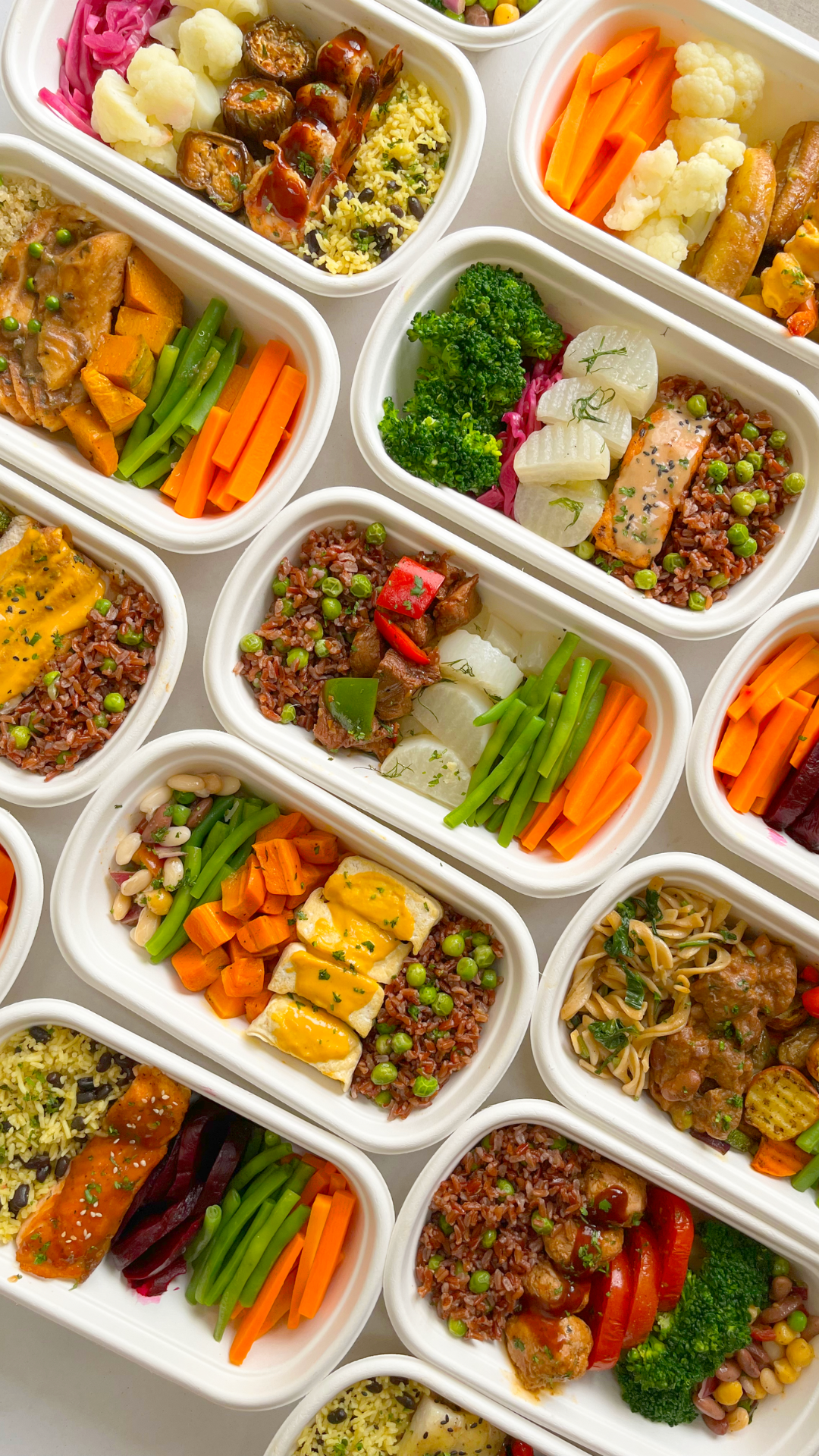
Build steady energy and better health by making simple, everyday nutrition choices.

In This Edition
The Balanced Plate Blueprint: Build Meals That Keep You Full and Energized
Protein Without the Stress: Easy Ways to Hit Your Goal Every Day
Carbs, Fats, and Fiber: What to Prioritize for Steady Energy
Smart Snacks That Work: Options That Curb Cravings (and Travel Well)
Hydration, Upgraded: Electrolytes, Timing, and the “Am I Actually Hungry?” Test
Label Reading Made Simple: Spot the Sneaky Sugars and Marketing Traps
Make Healthy the Default: Meal Prep Shortcuts and a 5-Ingredient Pantry List
Our Clinic Helps You Start Anew
The Role of Comprehensive Care in Preventing Relapse
The Balanced Plate Blueprint: Build Meals That Keep You Full and Energized
Ever finish a meal only to feel hungry an hour later—or sluggish instead of satisfied? The difference often comes down to balance. A well-built plate doesn’t just quiet hunger; it stabilizes blood sugar, supports steady energy, and keeps cravings in check. Instead of focusing on strict rules or trendy diets, the balanced plate approach offers a simple framework you can use at any meal, anywhere.
Balance your plate with protein, veggies, and fiber to stay full and energized.
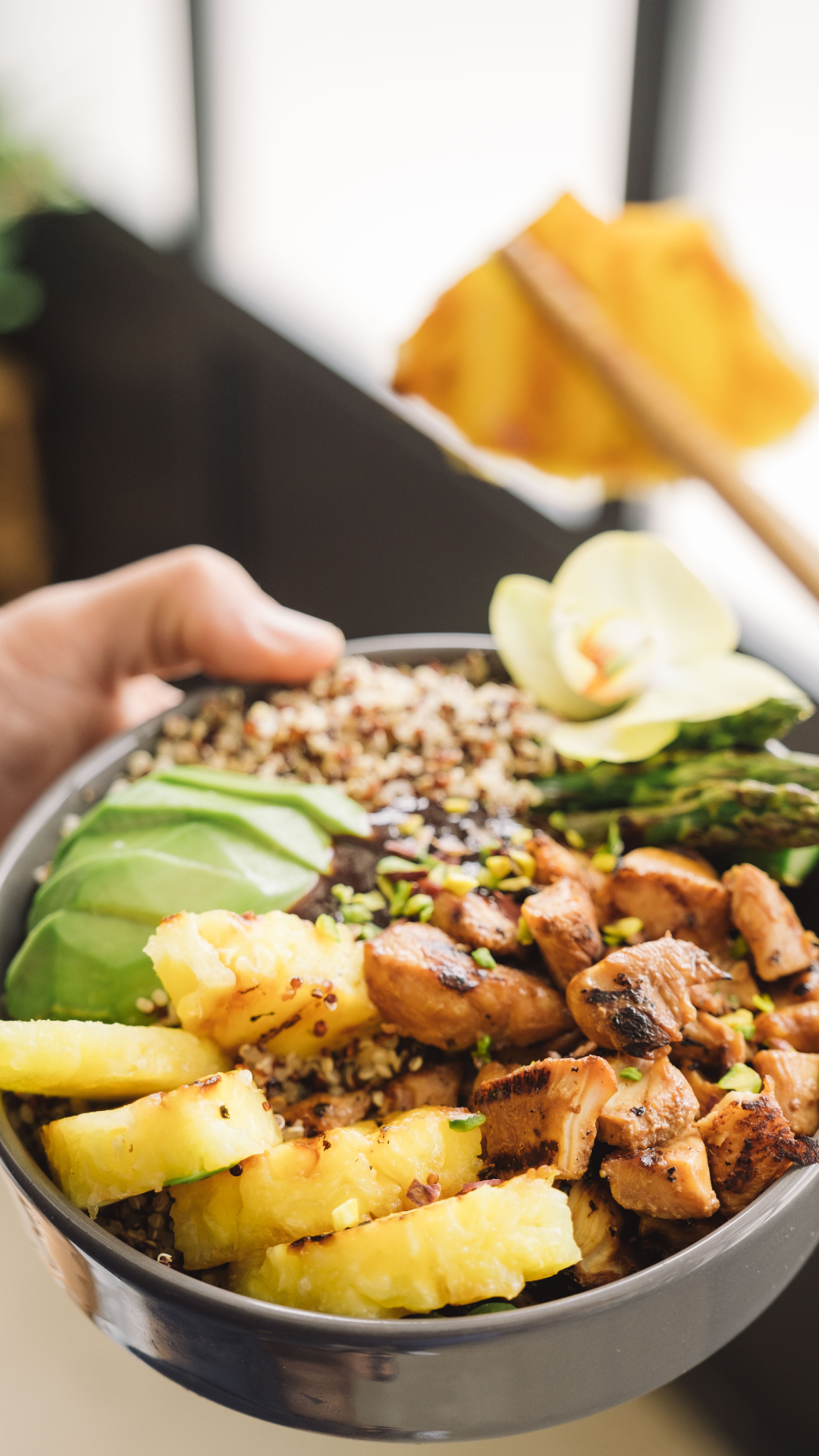
Start with protein as your anchor. Protein is the most filling macronutrient and plays a key role in maintaining muscle, stabilizing energy, and reducing mid-afternoon crashes. Aim to fill about a quarter of your plate with a quality source such as eggs, Greek yogurt, chicken, tofu, beans, fish, or lean beef. Including protein at breakfast is especially powerful—it sets the tone for steadier appetite control throughout the day.
Next, build around fiber-rich carbohydrates. Carbs aren’t the enemy; refined, low-fiber carbs are what tend to spike and crash your energy. Fill another quarter of your plate with whole grains like quinoa, brown rice, oats, or whole-grain bread, or starchy vegetables like sweet potatoes and squash. Then load up half your plate with non-starchy vegetables—leafy greens, broccoli, peppers, cucumbers, or roasted vegetables—to add volume, nutrients, and staying power without excess calories.
Don’t forget healthy fats—they’re the glue that keeps a meal satisfying. A small but meaningful portion of fats like avocado, olive oil, nuts, seeds, or nut butter enhances flavor and slows digestion, helping you feel full longer. You don’t need much; even a drizzle or a sprinkle can make a difference. Balanced meals aren’t about cutting things out—they’re about pairing nutrients strategically so they work together.
When you consistently build meals with protein, fiber-rich carbs, vegetables, and healthy fats, you create steady fuel instead of quick spikes. The Balanced Plate Blueprint removes guesswork and replaces it with a flexible structure you can adapt to your tastes, culture, and schedule. The result? Fewer energy dips, fewer cravings, and a way of eating that supports both performance and long-term health—without overcomplicating what’s on your plate.
Protein Without the Stress: Easy Ways to Hit Your Goal Every Day
Protein has become one of the most talked-about nutrients in modern wellness—and for good reason. It supports muscle repair, stabilizes blood sugar, keeps you fuller longer, and plays a role in everything from hormones to immune health. But hitting your daily protein goal doesn’t have to mean obsessively tracking grams or eating plain chicken at every meal. With a little structure and simplicity, meeting your needs can feel automatic rather than overwhelming.
The first key is distribution. Instead of trying to cram most of your protein into dinner, aim to spread it evenly across the day. A simple benchmark is including a solid protein source at every meal—roughly 20–40 grams depending on your body size and goals. Starting your morning with Greek yogurt, eggs, a protein smoothie, or cottage cheese sets the tone early and prevents the afternoon scramble to “catch up.” Consistency beats perfection.

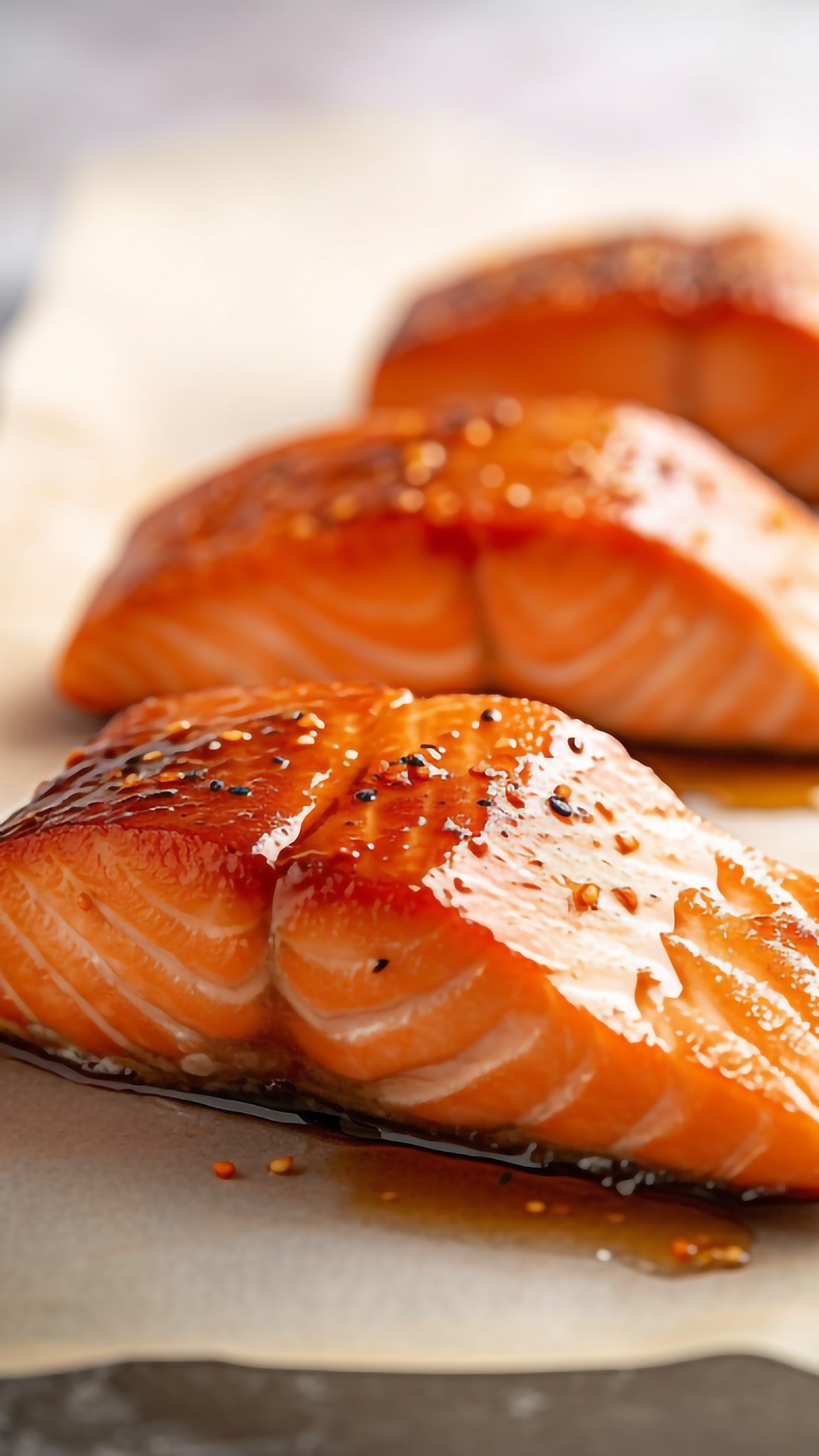

Next, build meals around protein first. Rather than asking, “What should I have?” and adding protein as an afterthought, flip the script. Choose your anchor—chicken, tofu, salmon, lentils, lean beef, tempeh, or a protein shake—and then layer in vegetables, carbs, and healthy fats around it. This simple mindset shift makes your plate more balanced without extra effort. It also helps prevent under-eating protein when meals get busy or on-the-go.
Convenience is your ally, not your enemy. Rotisserie chicken, pre-cooked grilled strips, canned tuna, protein pasta, high-protein wraps, and ready-to-drink shakes can save time without sacrificing quality. Keeping easy options stocked removes decision fatigue and reduces the likelihood of defaulting to lower-protein snacks. Even small additions—like sprinkling hemp seeds on oatmeal or adding extra egg whites to scrambled eggs—can quietly increase your intake.
Most importantly, avoid turning protein into pressure. Your goal is adequacy and consistency, not perfection. If you miss your target one day, it’s not a setback—it’s just data. Focus on simple habits you can repeat: protein at every meal, a balanced snack, and easy staples on hand. When you remove the stress and build a rhythm, hitting your protein goal becomes less about numbers and more about nourishing your body in a way that supports strength, recovery, and long-term health.
Carbs, Fats, and Fiber: What to Prioritize for Steady Energy
If your energy feels like a rollercoaster—sharp spikes followed by foggy crashes—your plate may be the reason. The balance of carbohydrates, fats, and fiber you eat directly affects blood sugar, hormones, and mental clarity throughout the day. Rather than eliminating entire macronutrients, the key to steady energy is choosing the right types and pairing them strategically.
Carbohydrates are your body’s fastest fuel source, but not all carbs behave the same way. Refined carbs like white bread, pastries, and sugary snacks digest quickly, leading to rapid blood sugar spikes and equally fast drops. In contrast, complex carbohydrates—such as oats, quinoa, sweet potatoes, beans, and fruit—break down more gradually. They provide sustained glucose release, which keeps your brain fueled without dramatic highs and lows. Prioritizing whole-food carb sources is foundational for consistent energy.
Fats play a quieter but powerful role. Healthy fats—like those from avocados, nuts, seeds, olive oil, and fatty fish—slow digestion and help stabilize blood sugar when eaten alongside carbohydrates. They also support hormone production and satiety, preventing the constant search for snacks an hour after eating. While fats are more calorie-dense, moderate portions combined with quality carbs can create meals that sustain you for hours instead of minutes.
Fiber is often overlooked, yet it may be the most important factor for energy stability. Found in vegetables, legumes, whole grains, nuts, and seeds, fiber slows the absorption of glucose into the bloodstream. This buffering effect prevents sharp spikes and crashes, while also supporting gut health—an increasingly recognized driver of mood and cognitive performance. Aiming for fiber at every meal, especially at breakfast and lunch, can dramatically smooth out afternoon energy dips.
The real strategy isn’t choosing carbs over fats or vice versa—it’s building balanced meals. Pair complex carbs with healthy fats, add protein, and make fiber non-negotiable. For example, oatmeal with chia seeds and almond butter, a quinoa bowl with roasted vegetables and olive oil, or an apple with peanut butter all deliver layered fuel. When you prioritize quality and combination over extremes, steady energy becomes the norm rather than something you chase with caffeine or sugar.
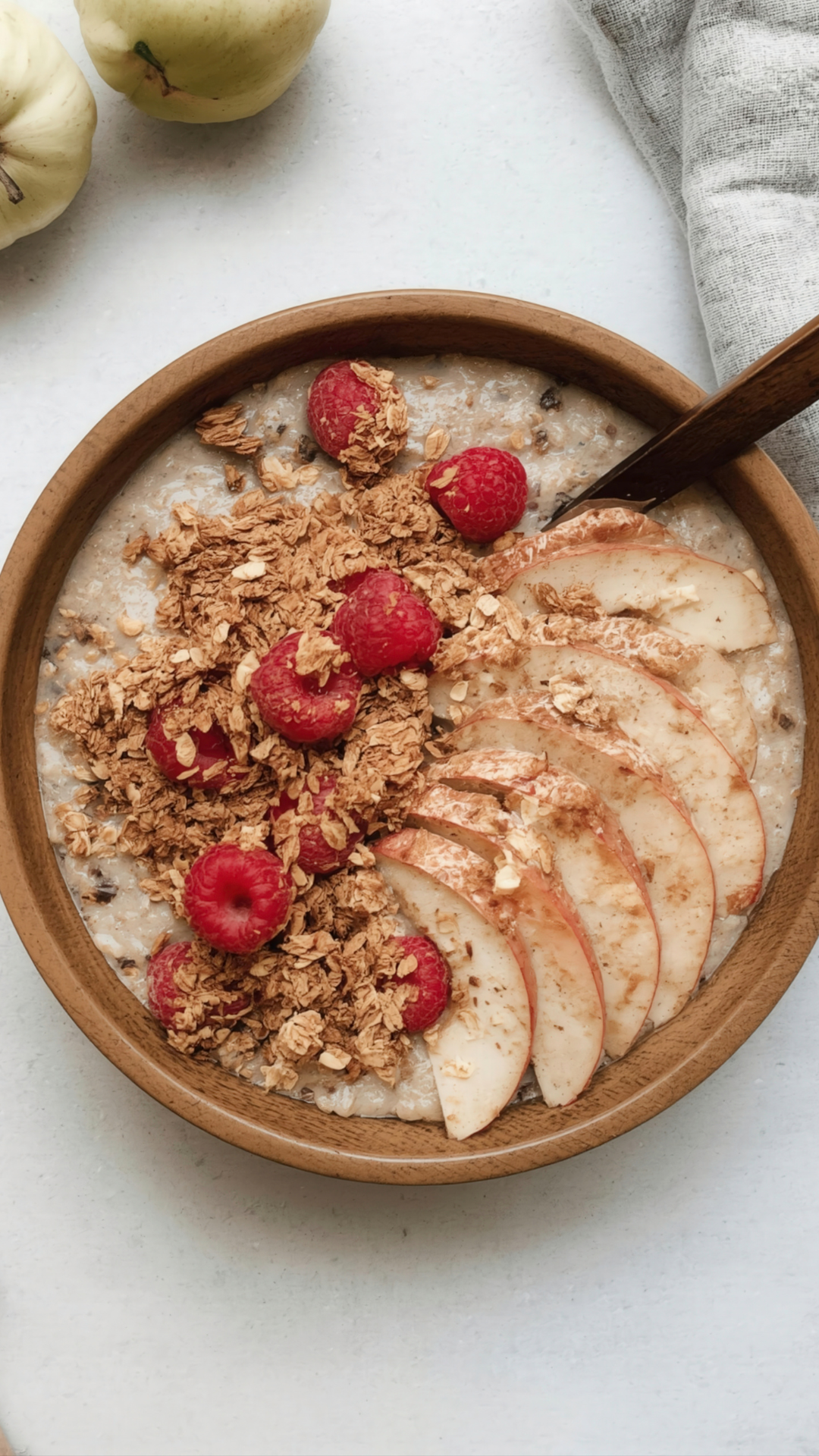
Pair complex carbs with fiber, protein, and healthy fats for steady energy.
Smart Snacks That Work: Options That Curb Cravings (and Travel Well)
Snacking isn’t the problem—mindless snacking is. The right snack can stabilize blood sugar, prevent overeating at your next meal, and keep your energy steady through busy afternoons. The wrong one can leave you chasing another handful 20 minutes later. The key to smart snacking is simple: combine protein, fiber, and a little healthy fat to create something that satisfies instead of spikes.
Protein is your first priority. It slows digestion and signals fullness, making it essential for curbing cravings. Travel-friendly options like single-serve Greek yogurt cups, cottage cheese packs, hard-boiled eggs, roasted edamame, turkey roll-ups, or protein bars with minimal added sugar are easy wins. If refrigeration isn’t available, shelf-stable choices like tuna packets, beef or turkey jerky, and protein-rich trail mixes can do the trick.
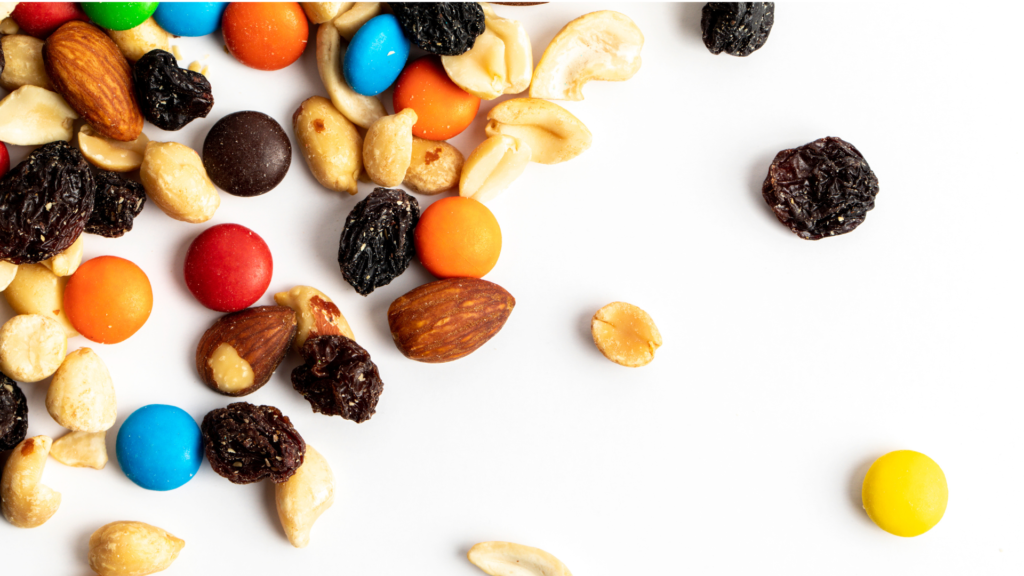
Next, pair that protein with fiber-rich carbohydrates for sustained energy. Apples, pears, bananas, baby carrots, snap peas, or whole-grain crackers add volume and nutrients while helping prevent blood sugar crashes. The classic apple with nut butter or hummus with veggies works for a reason—it balances quick energy with lasting satisfaction. When snacks feel substantial, you’re less likely to keep grazing.
Healthy fats round things out and boost staying power. A small handful of almonds, walnuts, pistachios, or pumpkin seeds travels well and doesn’t require prep. Nut butter squeeze packs are another portable option that pair easily with fruit or rice cakes. Just keep portions moderate—fats are filling, but they’re also calorie-dense, so a little goes a long way.
The most effective snacks are the ones you’ll actually pack. Keep a few nonperishable options in your bag, car, or desk so you’re not at the mercy of vending machines or convenience store pastries. With a little planning and the right nutrient balance, smart snacks can bridge the gap between meals, quiet cravings, and keep your energy steady—no crash required.
Hydration, Upgraded: Electrolytes, Timing, and the “Am I Actually Hungry?” Test
Hydration is often treated as a simple numbers game—drink eight glasses, carry a big bottle, check the box. But real hydration is more nuanced than that. It’s not just about water intake; it’s about absorption, timing, and understanding the signals your body sends. When you upgrade your hydration strategy, you support energy, digestion, focus, and recovery in ways that go far beyond quenching thirst.
Electrolytes are a key piece of that upgrade. Sodium, potassium, and magnesium help regulate fluid balance, nerve signaling, and muscle function. If you’re sweating regularly, exercising intensely, or drinking large amounts of plain water, adding electrolytes can improve how effectively your body uses the fluid you consume. Without adequate electrolytes, water can pass through you quickly rather than fully hydrating your cells. This doesn’t mean you need sugary sports drinks—just a balanced electrolyte source or mineral-rich foods to support retention and performance.
Timing also matters more than most people realize. Starting your day with water—before caffeine—helps replenish fluids lost overnight and supports digestion and mental clarity. Spacing hydration throughout the day is more effective than chugging large amounts at once. It’s also wise to taper intake slightly in the hour or two before bed to prevent sleep disruption. Strategic timing turns hydration from reactive to proactive.
Then there’s the question many people overlook: am I actually hungry? Thirst and hunger signals can feel surprisingly similar, especially during busy or stressful days. Before reaching for a snack, try drinking a glass of water and waiting ten to fifteen minutes. If the sensation fades, your body likely needed fluids, not food. If you’re still hungry, that’s useful information too—it means your body is genuinely asking for fuel. This small pause builds awareness and prevents mindless eating.
Upgrading hydration isn’t about obsessing over ounces. It’s about tuning into your body and supporting it with intention. Add electrolytes when needed, space your intake wisely, and use water as a quick check-in tool before assuming hunger. When hydration is handled well, everything else—energy, appetite, recovery—tends to run more smoothly. Sometimes the simplest upgrade makes the biggest difference.


Hydrate smarter: sip steadily, add electrolytes when needed, and check thirst before snacking.
Label Reading Made Simple: Spot the Sneaky Sugars and Marketing Traps
Food packaging is designed to sell, not to inform. Buzzwords like “natural,” “multigrain,” and “low-fat” create a health halo that can distract from what’s actually inside. Learning to read labels with a critical eye doesn’t require a nutrition degree—it just requires knowing where to look and what to question. With a few simple strategies, you can quickly separate genuinely nourishing foods from clever marketing.
Start with the ingredient list, not the front of the package. Ingredients are listed in descending order by weight, so the first three tell you the most about what you’re really eating. If sugar—or one of its many aliases—is near the top, that product likely delivers more sweetness than substance. Watch for names like cane juice, brown rice syrup, maltodextrin, dextrose, fruit concentrate, or anything ending in “-ose.” Multiple forms of sugar in smaller amounts can be used to prevent any single one from appearing first on the list.
Next, scan the nutrition panel with intention. Pay attention to added sugars rather than total sugars, since total includes naturally occurring sugars from fruit or dairy. A quick rule of thumb: aim for single-digit grams of added sugar per serving for everyday foods like yogurt, cereal, or granola bars. Also check serving size—sometimes a small package contains two or three servings, making the numbers look lower than they are in practice.
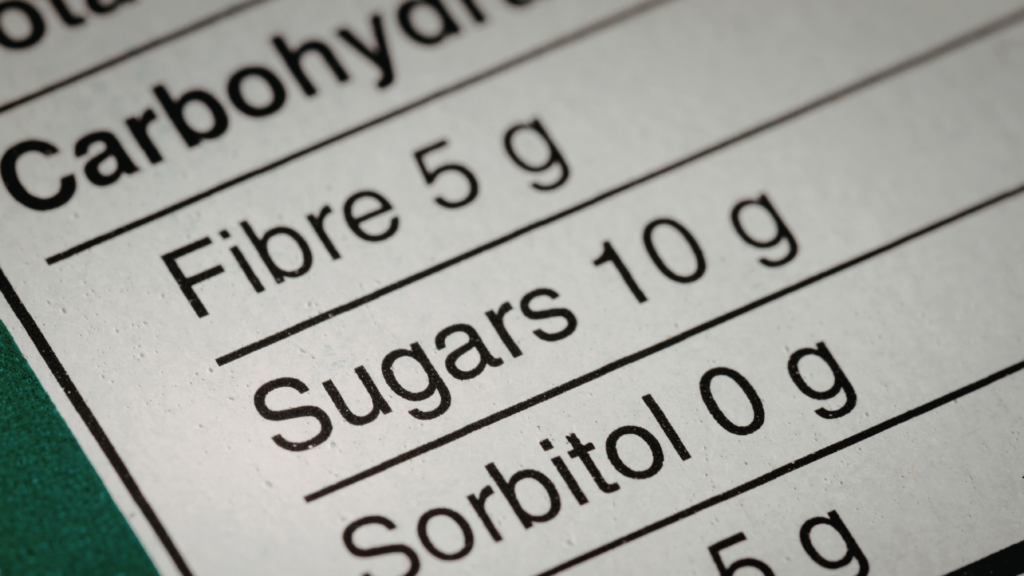
Be cautious with claims like “low-fat” or “fat-free.” When fat is removed, sugar and refined starches are often added to improve flavor and texture. Similarly, “multigrain” simply means more than one type of grain—it doesn’t guarantee they’re whole grains. Look specifically for the word “whole” before the grain (such as whole wheat or whole oats). And remember that “natural” has no strict regulatory definition in many regions, making it more of a marketing term than a meaningful health marker.
Ultimately, simplicity wins. Foods with shorter ingredient lists—especially ones you recognize and could find in your own kitchen—are often the most reliable choices. When in doubt, compare similar products side by side and choose the one with less added sugar and more fiber. Label reading isn’t about perfection; it’s about awareness. The more fluent you become, the harder it is for flashy packaging to steer you away from steady energy and long-term health.
Make Healthy the Default: Meal Prep Shortcuts and a 5-Ingredient Pantry List
Healthy eating becomes dramatically easier when it’s the path of least resistance. Most food decisions aren’t made with deep intention—they’re made when you’re busy, tired, or short on time. That’s why the goal isn’t perfection; it’s preparation. When nourishing options are visible, prepped, and ready to go, you don’t need willpower. You simply default to what’s available.
Start with simple meal prep shortcuts that save time without requiring a full Sunday overhaul. Wash and chop vegetables as soon as you bring them home so they’re ready for quick stir-fries, salads, or sheet pan meals. Batch-cook a versatile protein like grilled chicken, baked tofu, or hard-boiled eggs that can be used in multiple dishes throughout the week. Cook one large pot of grains—rice, quinoa, or farro—and repurpose it into bowls, wraps, or side dishes. Even prepping just one component ahead of time reduces friction on busy days.
Next, rethink what “meal prep” really means. It doesn’t have to be identical containers lined up in your fridge. Instead, think in building blocks: protein + fiber-rich carb + vegetables + healthy fat. When you have these components ready, assembling a balanced meal takes minutes. Rotisserie chicken with pre-washed greens and microwaveable brown rice? Done. Canned beans tossed with olive oil, lemon, and chopped veggies? Also done
A streamlined pantry can also make healthy choices automatic. Start with five versatile staples: canned beans, whole grains (like brown rice or oats), olive oil, nuts or seeds, and canned tuna or salmon. With just these ingredients, you can create grain bowls, hearty salads, quick soups, overnight oats, or protein-packed snacks. Add fresh produce and a protein source each week, and your options multiply without overwhelming your kitchen.
Making healthy the default isn’t about strict rules—it’s about reducing decision fatigue. When nutritious foods are prepped, visible, and easy to assemble, they become the obvious choice. A little planning upfront creates a week of simpler decisions, steadier energy, and fewer last-minute compromises. Set up your environment to support you, and healthy habits start to feel automatic instead of effortful.