
Strengthen mental and emotional well-being through connection, purpose, and healthy habits as you age.

In This Edition
A Life Well-Lived: Finding Fulfilment Through Helping Others
Maintaining a Sense of Purpose for Seniors: Setting New Goals Post-Retirement
Weathering Life’s Storms: Emotional Strength for Seniors
Stronger Together: The Mental Health Benefits of Social Engagement
Never Stop Learning: How New Skills Keep the Brain Young
Stay Sharp, Stay Engaged: Brain Games for Better Recall
A Life Well-Lived: Finding Fulfillment Through Helping Others
For many older adults, retirement opens the door to new possibilities—time to explore passions, reconnect with community, and reflect on what truly matters. One of the most rewarding ways to bring meaning and joy to this chapter of life is through volunteering. Helping others not only supports the needs of the community but also enriches the life of the giver in profound and lasting ways.
Retirement isn’t an ending—it’s an open canvas where purpose is painted in acts of passion, service, and self-discovery.

Senior volunteers play a vital role in countless organisations, from food banks and libraries to hospitals, animal shelters, and local schools. Whether offering a warm smile at a reception desk, reading to children, sorting donations, or delivering meals to those in need, their time and wisdom make a real difference. Volunteering provides structure to the week and a renewed sense of purpose that keeps the mind engaged and the heart full.
Research consistently shows that older adults who volunteer regularly experience improved physical health, greater life satisfaction, and lower rates of depression and cognitive decline. The act of giving shifts focus outward, fostering empathy, resilience, and a stronger sense of connection. Volunteering also helps combat loneliness—a common challenge in later life—by creating opportunities to meet others, build friendships, and feel part of something larger than oneself.
What makes volunteering especially powerful for seniors is that it draws on a lifetime of skills, knowledge, and experience. Whether it’s mentoring a young adult, helping with administrative tasks, organising events, or tending a community garden, every contribution matters. Many seniors find that their efforts not only help others but also strengthen their own self-esteem, mental clarity, and sense of identity.
Volunteering also offers opportunities to keep learning. Some roles involve training, new technologies, or working with different age groups—keeping the brain stimulated and curiosity alive. It’s never too late to try something new or step into a role that challenges and inspires you.
Getting involved doesn’t have to be complicated or time-consuming. Local senior centres, faith groups, and nonprofit organisations often offer flexible volunteer opportunities tailored to different abilities and interests. Whether it’s one afternoon a week or a few hours a month, every bit of time given has the power to change lives—including your own.
A life well-lived is one filled with connection, purpose, and kindness. Through volunteering, seniors can continue to grow, inspire, and leave a meaningful legacy—one act of service at a time.
Maintaining a Sense of Purpose for Seniors: Setting New Goals Post-Retirement
Retirement marks the end of one chapter—but it can also be the beginning of an even more fulfilling one. After decades of routine and responsibility, many older adults find themselves asking, “What now?” The answer often lies in setting new, meaningful goals that bring purpose, direction, and joy to daily life.
Purpose doesn’t have to come from a job title or career. It can grow from hobbies, relationships, creativity, or service. Some seniors find purpose in pursuing passions they never had time for—painting, writing, learning a language, or playing music. Others thrive by setting physical goals, like walking a certain distance each day or training for a charity event. Whether big or small, goals give structure and motivation, and they offer a reason to look forward to each day.
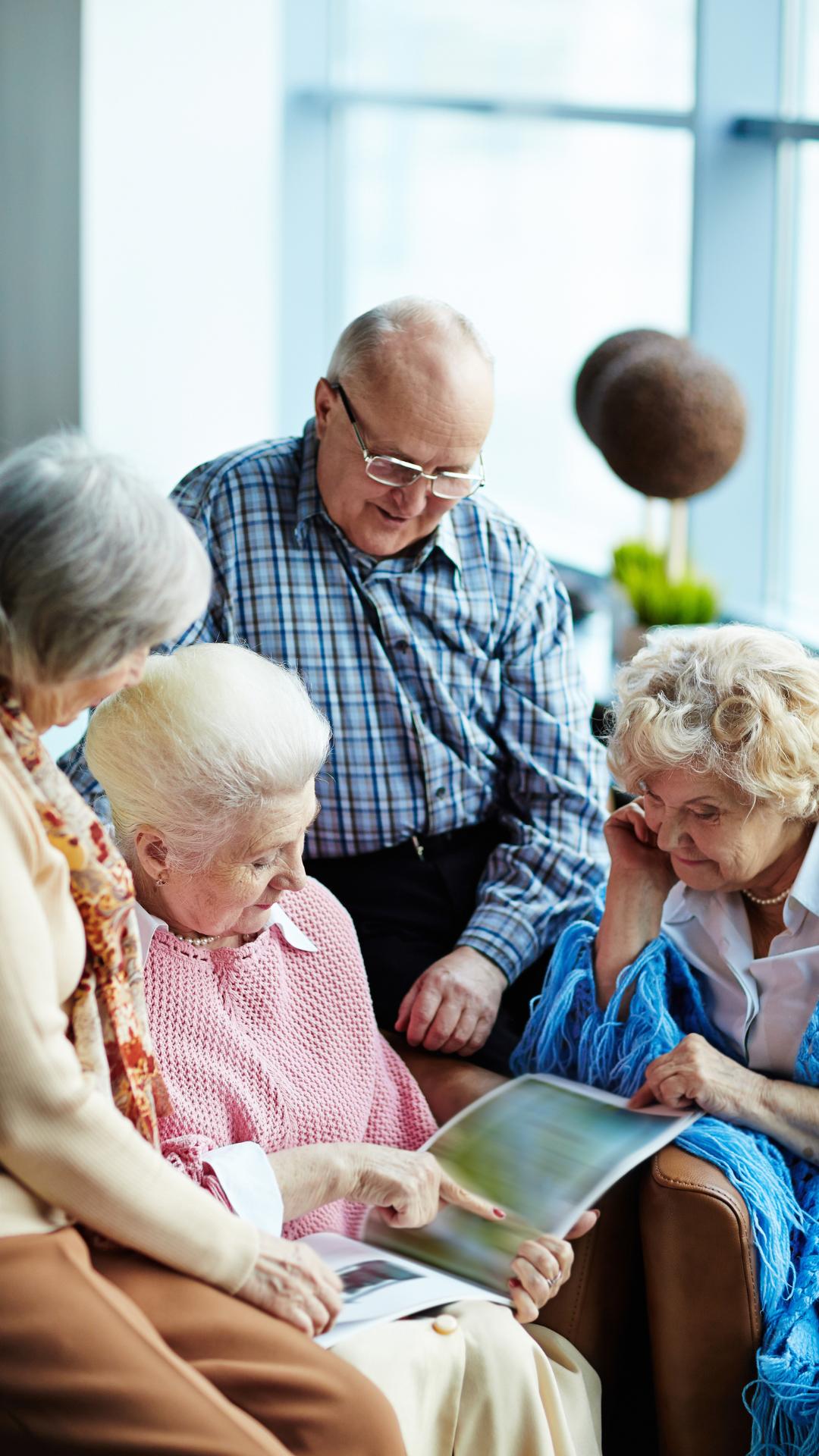


Volunteering, joining a club, or mentoring can also provide a renewed sense of usefulness and social connection. Many seniors find that helping others—whether it’s offering guidance, listening, or simply being present—gives them a deep sense of value. These acts of service remind us that we still have much to offer, no matter our age.
Even personal goals, like reading a certain number of books a year or mastering a new recipe each month, can spark enthusiasm and growth. The key is to choose goals that feel exciting and realistic, and to allow room for flexibility and enjoyment rather than pressure.
Life after retirement is a time to explore, reconnect, and grow in new ways. By setting fresh goals and embracing what makes each day meaningful, seniors can continue to live with purpose, pride, and a strong sense of who they are—well into the years ahead.
Weathering Life’s Storms: Emotional Strength for Seniors
As we grow older, life inevitably brings transitions—some joyful, others painful. Retirement, the loss of loved ones, health changes, or moving into new living arrangements can all challenge our emotional well-being. But with the right coping tools and mindset, seniors can build emotional resilience and navigate these changes with strength and grace.
Grief is a natural part of life, especially in later years. The passing of a spouse, friends, or family members can leave a deep ache. It’s important to allow space for mourning, to talk openly about loss, and to honour feelings without judgement. Grief has no set timeline, and there is no “right” way to experience it. Support groups, therapy, or simply regular conversations with trusted friends can ease the burden and provide a sense of connection during a difficult time.
Change, even when positive, can be unsettling. Adjusting to a new routine after retirement, relocating, or adapting to physical limitations can lead to feelings of uncertainty or frustration. Practicing flexibility, setting small daily goals, and staying mentally engaged with activities like reading, puzzles, or creative hobbies can help make transitions feel more manageable.
Loneliness is another common challenge, particularly for those living alone or far from family. While it can feel overwhelming, it is possible to rebuild social connection. Reaching out to neighbours, joining a club or class, calling loved ones regularly, or even using digital tools to stay connected can open new doors to companionship and meaning.
Building emotional resilience doesn’t mean avoiding sadness or stress—it means learning how to meet them with self-compassion, patience, and support. By acknowledging feelings and seeking healthy ways to process them, seniors can continue to lead emotionally rich, connected lives—no matter what changes come their way.
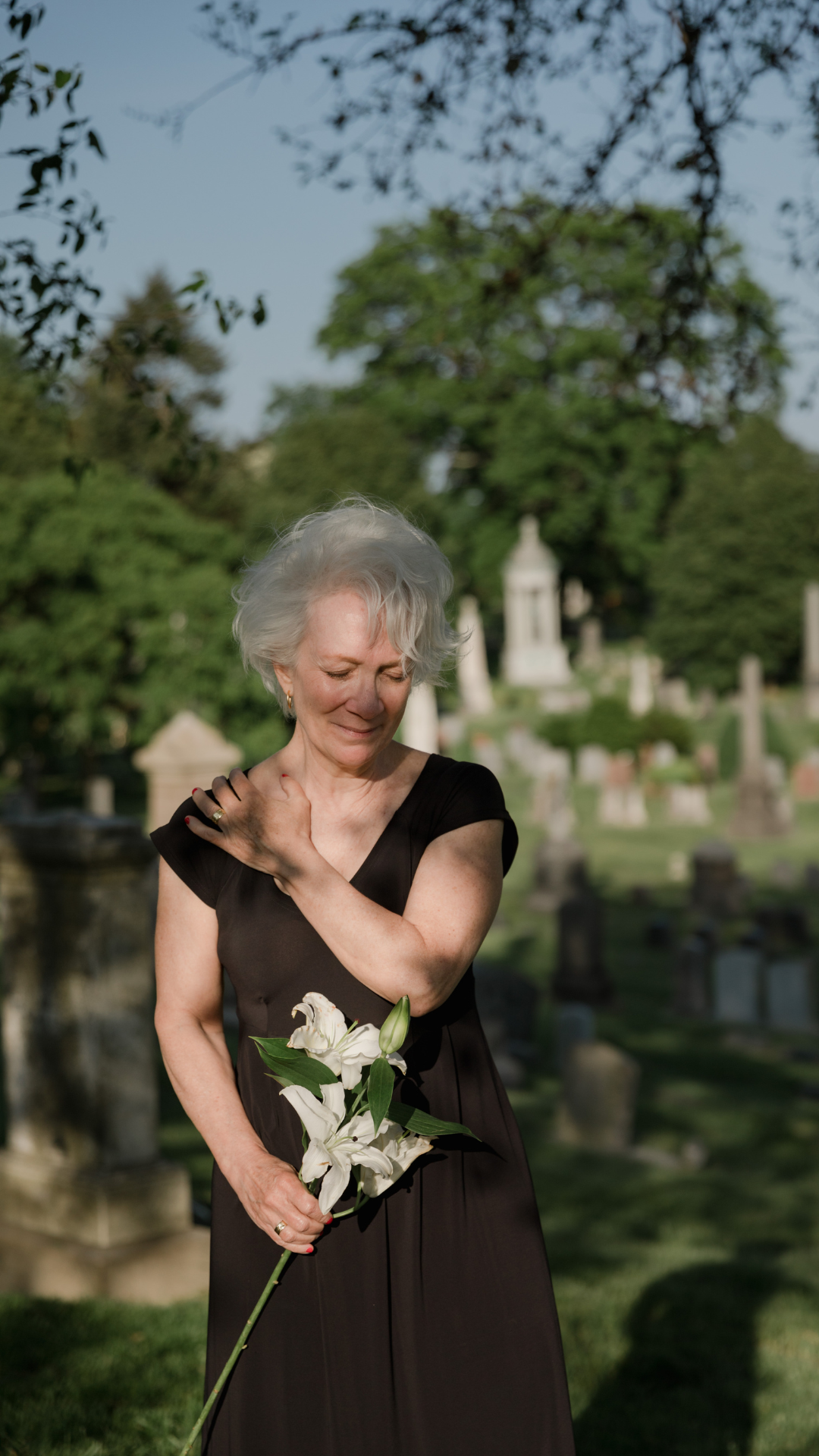
Emotional resilience is the quiet strength that helps older adults face life’s changes with heart, hope, and grace.
Stronger Together: The Mental Health Benefits of Social Engagement
Social connection is a powerful protector of emotional and mental health—especially in later life. As routines shift and social circles change, staying connected with others becomes more than just pleasant—it becomes essential. One of the most effective ways to support emotional wellness as a senior is by becoming part of a community, whether that means joining a local club, visiting a senior centre, or engaging with others online.
Clubs and hobby groups offer a shared sense of purpose and joy. Whether it’s a gardening club, a walking group, a choir, or a book circle, these spaces allow seniors to bond over common interests. They also encourage regular activity, provide a sense of belonging, and help structure the week with something to look forward to.
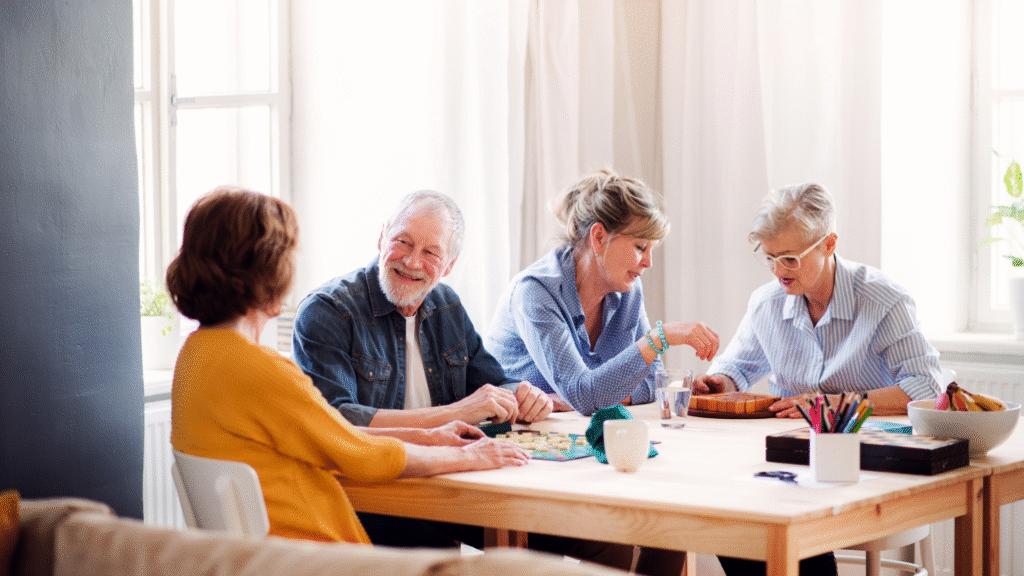
Senior centres are another valuable hub. Many offer classes, fitness sessions, social events, and meal programs. Beyond the activities themselves, they provide a welcoming environment where people can meet new friends and combat feelings of loneliness or isolation. These centres are also great places to access resources, support groups, and educational programs focused on health and well-being.
Online communities have become increasingly important, especially for those with mobility limitations or who live far from family. Virtual book clubs, video calls, forums, and social media groups specifically for seniors offer convenient, low-pressure ways to stay connected and mentally engaged. Some platforms even focus on mental health support or skill-sharing, making the digital world a space for friendship, growth, and care.
Staying socially active is not just about filling time—it’s about enriching life. When older adults stay connected to others through shared activities and interests, they strengthen their mental resilience, reduce feelings of loneliness, and continue to thrive emotionally—no matter where they are or what stage of life they’re in.
Never Stop Learning: How New Skills Keep the Brain Young
The brain, like the body, thrives on regular exercise—and one of the best ways to keep it sharp is through continued learning. For seniors, engaging in lifelong learning isn’t just about gaining new knowledge—it’s a powerful way to support cognitive health, boost confidence, and bring joy and purpose to everyday life.
Learning stimulates the brain’s neural networks, helping to maintain memory, attention, and problem-solving skills. Studies have shown that older adults who stay mentally active are more likely to retain cognitive function and reduce their risk of conditions like dementia. But brain engagement doesn’t have to mean returning to a classroom. It can be as simple and rewarding as picking up a new skill.
Learning a new language is one of the most effective mental workouts. It challenges memory, listening, and comprehension, while also opening doors to new cultures and travel experiences. Even casual practice with an app or group conversation class can offer meaningful benefits.
Playing a musical instrument is another deeply engaging activity. It combines hand-eye coordination, rhythm, auditory processing, and memory. Whether it’s revisiting an instrument from youth or trying something new, music supports emotional well-being and mental agility.
Gaining comfort with modern technology—like smartphones, tablets, or computers—not only strengthens brain function but also empowers seniors to stay connected with the world. From video calls with loved ones to browsing online classes or managing digital finances, tech skills enhance independence and open new pathways for growth.
No matter the subject, learning keeps the mind active, flexible, and curious. It encourages creativity, builds resilience, and reinforces the truth that it’s never too late to grow. Whether it’s through language, music, or mastering new tools, every lesson is a step toward a brighter, sharper, more fulfilling future.
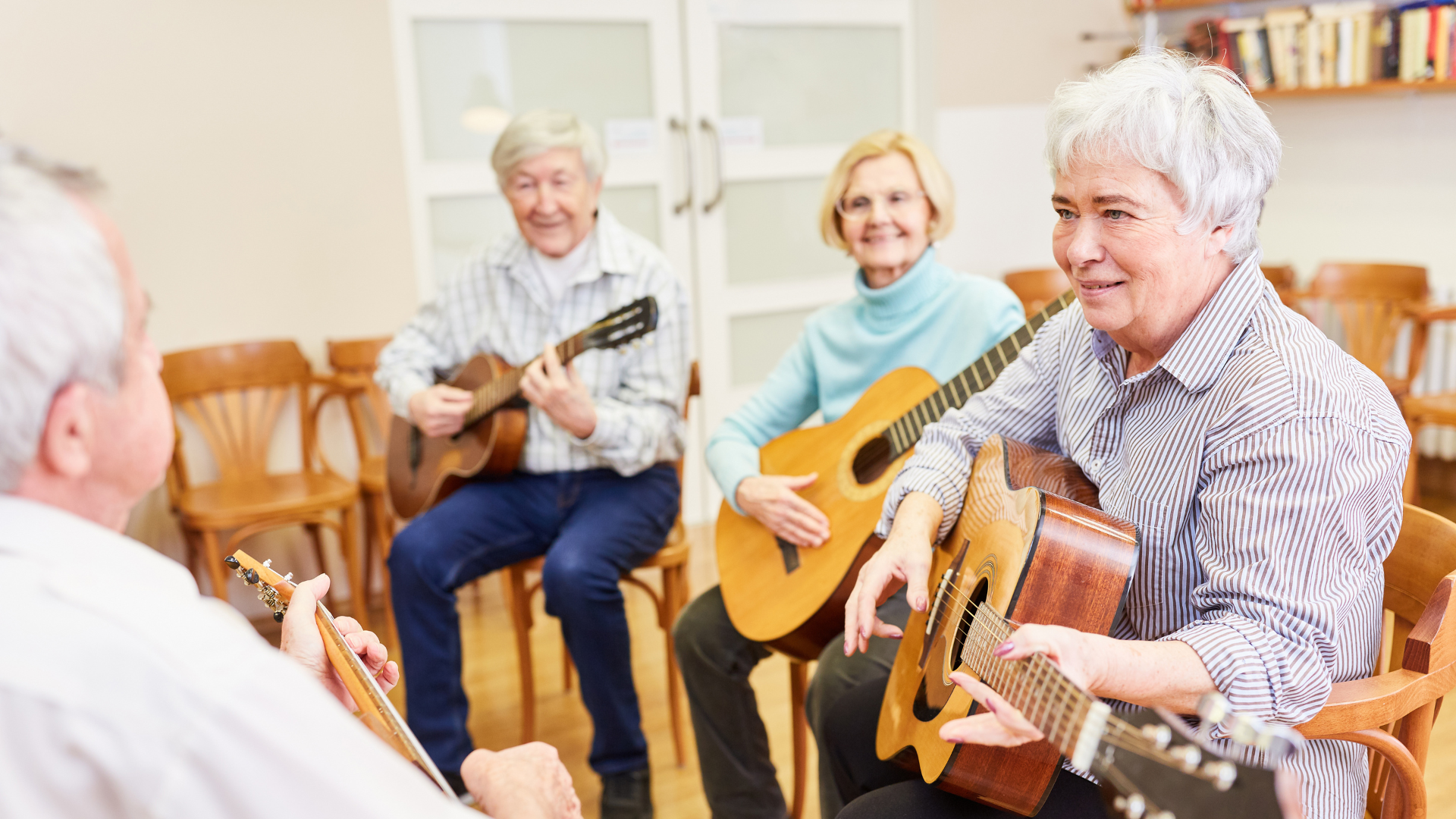

Lifelong learning is brain fuel—keeping minds sharp, spirits high, and curiosity alive at any age.
Stay Sharp, Stay Engaged: Brain Games for Better Recall

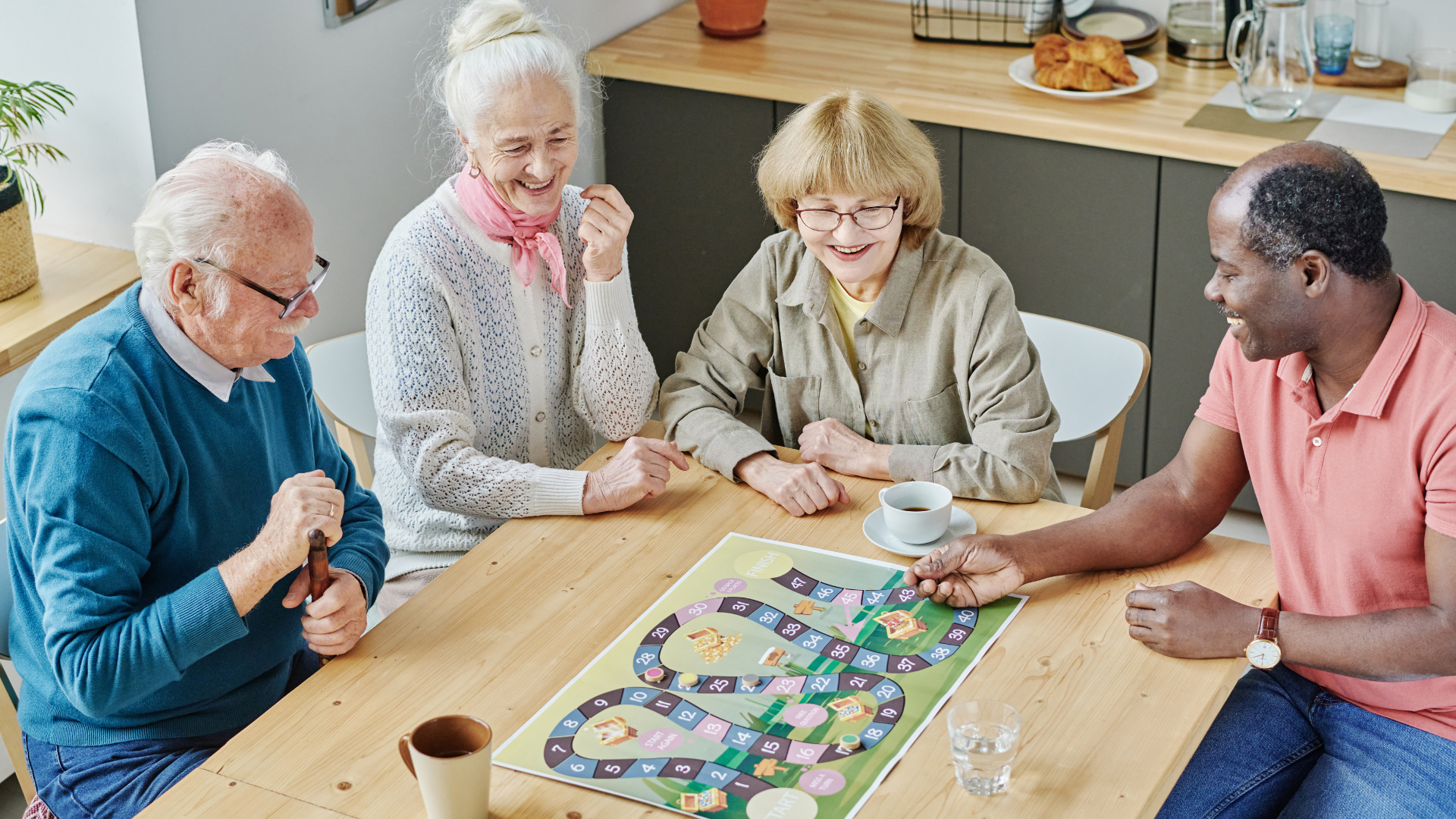
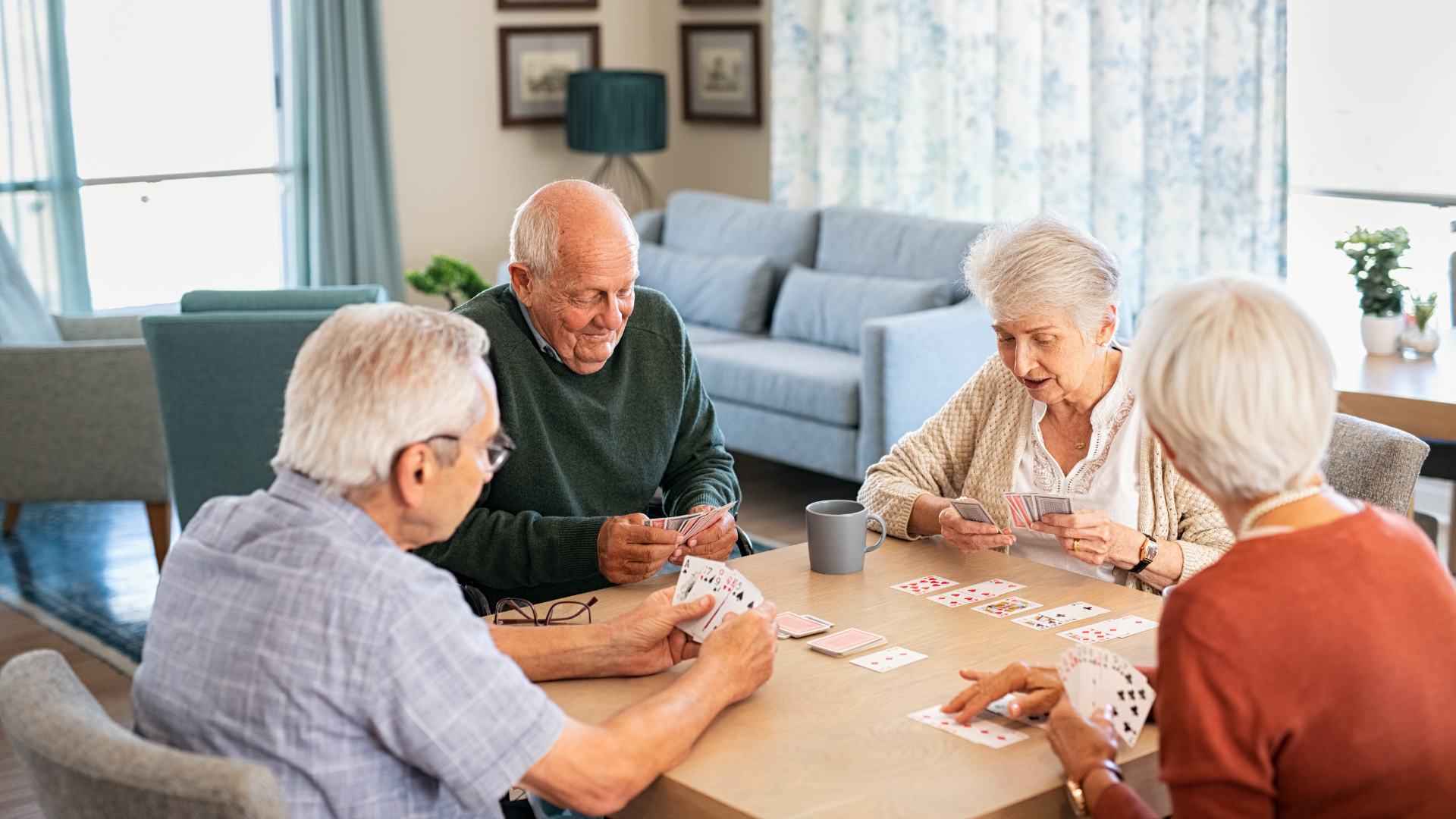
Staying mentally active is just as important as staying physically fit—especially as we age. While memory lapses can become more common over time, regular mental stimulation can help keep the brain resilient and responsive. The good news is that cognitive training doesn’t have to be complicated or time-consuming. With a few simple habits, seniors can enjoy improved memory, sharper focus, and a greater sense of confidence in daily life.
Memory games, like matching pairs, word recall tasks, or storytelling challenges, encourage the brain to store and retrieve information more efficiently. Simple exercises such as trying to remember grocery lists or phone numbers, or recounting events from earlier in the day, help train short-term and working memory. Crossword puzzles, Sudoku, and logic grids challenge problem-solving and verbal reasoning—skills that help keep the mind nimble.
Brain-training apps designed specifically for older adults can also offer structured daily practice. Many of these programs include games that target attention span, speed of processing, and recall. Best of all, they adjust in difficulty over time to keep things stimulating without becoming frustrating.
Playing cards, board games, or strategy games like chess also promotes planning, concentration, and social interaction—an added bonus for emotional wellness. Even activities like learning a poem by heart or trying a new recipe from memory can gently challenge the brain in enjoyable ways.
The key to brain health isn’t perfection—it’s consistency. Just 15–20 minutes a day of mental activity can help maintain clarity, confidence, and independence. By turning memory exercises and games into a daily habit, seniors can stay mentally sharp while also having fun along the way.
Just like muscles, the brain stays healthiest when it’s challenged regularly. For seniors, engaging in memory exercises and brain games can be a fun and effective way to support cognitive function, improve focus, and enhance daily mental clarity. These activities don’t require special tools—just a few minutes a day can make a meaningful difference.
Mindfulness and Mental Health Practices for Seniors: Finding Calm Through Movement and Breath
Maintaining emotional well-being is a vital part of living a balanced and fulfilling life, especially in our later years. One powerful way to support mental wellness is through mindfulness—a practice that helps us stay present, reduce stress, and cultivate inner calm. For seniors, simple techniques like meditation, tai chi, and yoga can offer accessible, effective tools to improve daily mood, focus, and resilience.
Mindfulness is the quiet art of aging with grace—one breath, one movement, one moment at a time.
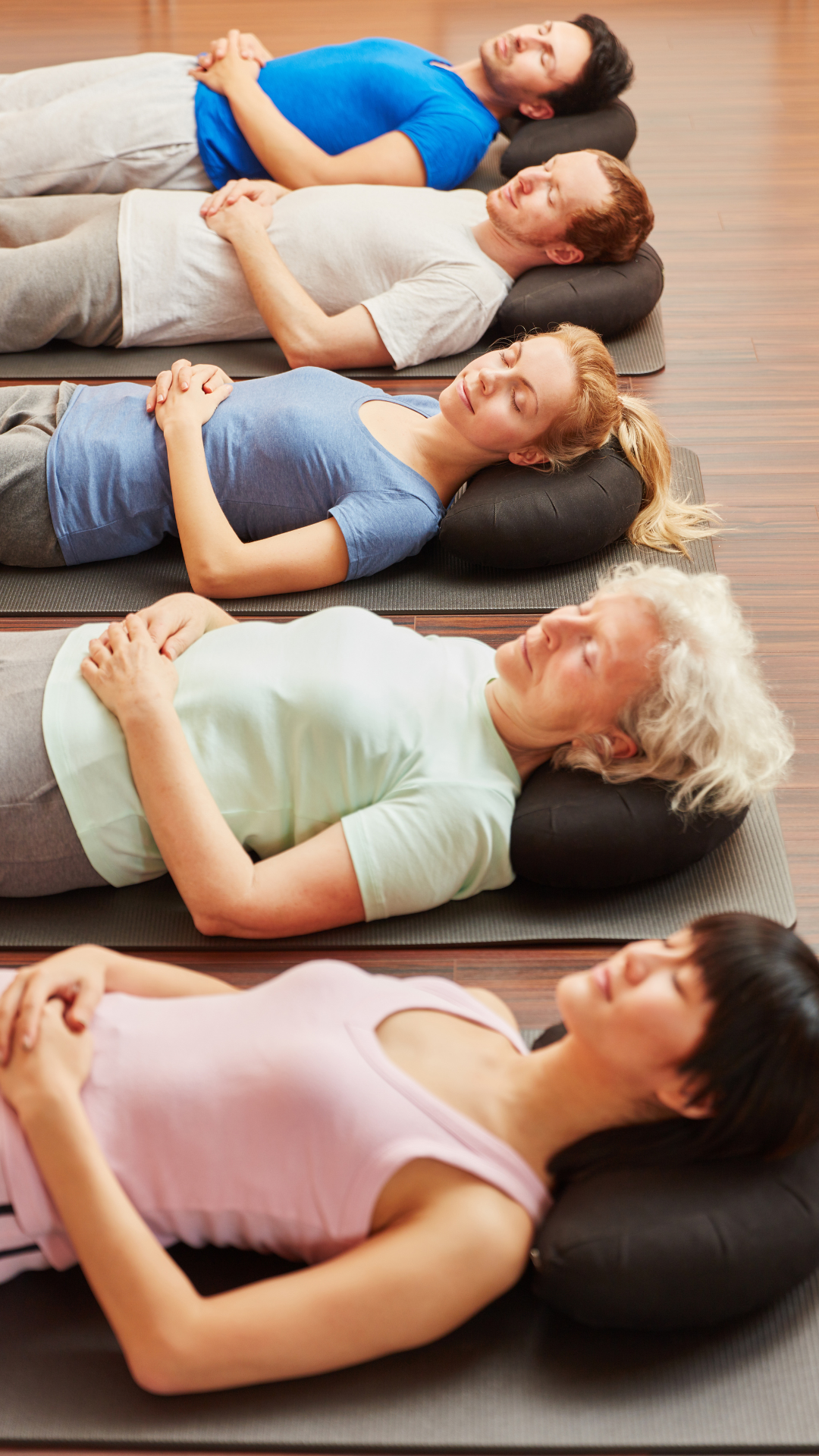
Meditation encourages stillness and awareness. By focusing on the breath, repeating a calming phrase, or simply observing thoughts without judgment, older adults can create a sense of peace and clarity. Even just five to ten minutes of daily meditation has been shown to lower anxiety, improve sleep, and enhance emotional regulation.
Tai chi, often called “meditation in motion,” is a gentle form of exercise that blends slow, flowing movements with deep breathing and mental focus. It’s especially suited to seniors because it improves balance, flexibility, and circulation, all while calming the nervous system. Many find it relaxing yet energising—a practice that benefits both body and mind.
Yoga, adapted for different mobility levels, also supports mindfulness through breathwork, movement, and gentle stretching. In addition to reducing tension and increasing strength, yoga helps with body awareness and emotional balance. Chair yoga and beginner classes make it easy for seniors to participate safely.
Incorporating mindfulness into daily routines can also strengthen social connections. Attending group classes or guided sessions provides not only emotional support but a sense of community—an important buffer against loneliness. Even sharing a short mindfulness practice with a friend or loved one can foster meaningful connection and shared calm.
Moreover, mindfulness enhances self-compassion—a quality that becomes increasingly important with age. By learning to accept emotions and experiences with kindness, seniors can let go of harsh self-judgment and embrace each day with greater patience and appreciation. This mindset supports emotional resilience and contributes to a deeper sense of inner peace.
These mindfulness practices don’t require any special equipment or prior experience. What matters is consistency and an open mind. Whether practiced alone or in a group, they offer moments of stillness in a busy world and empower older adults to handle life’s ups and downs with grace. Through simple, mindful habits, seniors can nurture lasting mental calm and emotional strength at any age.
From Pen to Peace: Mental Clarity Through Journaling and Gratitude
In a world filled with distractions and fast-moving days, taking a few quiet moments to reflect can be a powerful act of self-care. For many seniors, journaling and practicing gratitude offer simple yet deeply rewarding ways to gain mental clarity, reduce stress, and reconnect with inner peace. These habits require no special tools—just a pen, a notebook, and a willingness to slow down and listen to your own thoughts.
Journaling allows thoughts and emotions to be expressed freely, without judgment. Writing about daily experiences, memories, or feelings can bring clarity to situations that once felt overwhelming. For older adults, it can also be a meaningful way to reflect on life’s journey, preserve memories, and process change. Whether it’s a structured journal prompt or a free-flowing entry, the act of writing helps organise thoughts and encourages emotional release.



Adding a gratitude practice to journaling makes the experience even more powerful. Noting three things you’re thankful for each day—big or small—shifts focus from what’s lacking to what’s meaningful. Over time, this habit can rewire the brain to notice positives more easily, fostering resilience and a brighter outlook. Gratitude can help ease feelings of anxiety or loneliness by grounding us in the present and reminding us of the good that surrounds us.
Journaling and gratitude practices don’t have to follow rules or take up hours. Just five to ten minutes a day can make a difference. Some seniors enjoy writing at the same time each day—perhaps with morning tea or before bedtime—to build a comforting routine. Others carry a small notebook and jot thoughts down whenever inspiration strikes.
In the end, putting pen to paper becomes more than just writing—it becomes a daily ritual of reflection, appreciation, and calm. Through journaling and gratitude, seniors can discover a renewed sense of mental clarity, emotional balance, and quiet joy that carries through each day.
Silent Symptoms: Understanding Emotional Health in Older Adults
Emotional health is an essential part of overall well-being, but it often goes unnoticed—especially in older adults. While physical concerns may receive immediate attention, emotional struggles can remain hidden behind a smile, a quiet routine, or phrases like “I’m fine.” Recognising and supporting emotional health in seniors is key to helping them live with dignity, connection, and inner peace.
Many emotional challenges in older adults manifest subtly. A loss of interest in once-loved hobbies, changes in appetite, difficulty sleeping, or increased irritability may signal deeper issues such as depression or anxiety. These symptoms are often mistaken as normal parts of aging, but they deserve just as much care and attention as any physical ailment.
Life transitions—such as retirement, the loss of a spouse or friends, or declining mobility—can contribute to feelings of grief, loneliness, or fear. These emotions are valid and common, yet without healthy outlets, they can quietly erode mental well-being. Encouraging open conversations, routine mental check-ins, and gentle support can create a safe space for seniors to express how they truly feel.
Staying emotionally healthy also means staying socially and mentally engaged. Participating in community groups, talking with family, or even joining a hobby class can boost mood and self-worth. Mindfulness, light physical activity, and creative outlets like art or music provide additional ways to nurture emotional balance.
Above all, it’s important to remember that emotional health is not a sign of weakness—it’s a reflection of being human. By paying attention to the quieter signs and offering compassion without judgement, we can support older adults in living not just longer, but more fully. When emotional needs are met, seniors can face each day with strength, confidence, and calm.

Emotional struggles in older adults often whisper, not shout—recognising the quiet signs is key to healing and hope.
Nutrition and Mental Clarity for Seniors: Feeding the Brain for Better Focus and Mood
As we age, the connection between what we eat and how we think becomes even more important. Certain diets have been shown to support brain health, memory, and overall mental clarity, making nutrition a key part of maintaining independence and emotional wellness in later life.
Two eating patterns stand out for their brain-boosting benefits: the Mediterranean diet and the DASH diet (Dietary Approaches to Stop Hypertension). Both emphasize whole, nutrient-rich foods that reduce inflammation, support heart health, and improve circulation to the brain.
The Mediterranean diet focuses on vegetables, fruits, whole grains, legumes, olive oil, nuts, and fish. It’s rich in omega-3 fatty acids, antioxidants, and polyphenols—all known to protect brain cells and slow age-related cognitive decline. Seniors who follow this pattern often report better focus, sharper memory, and improved mood.
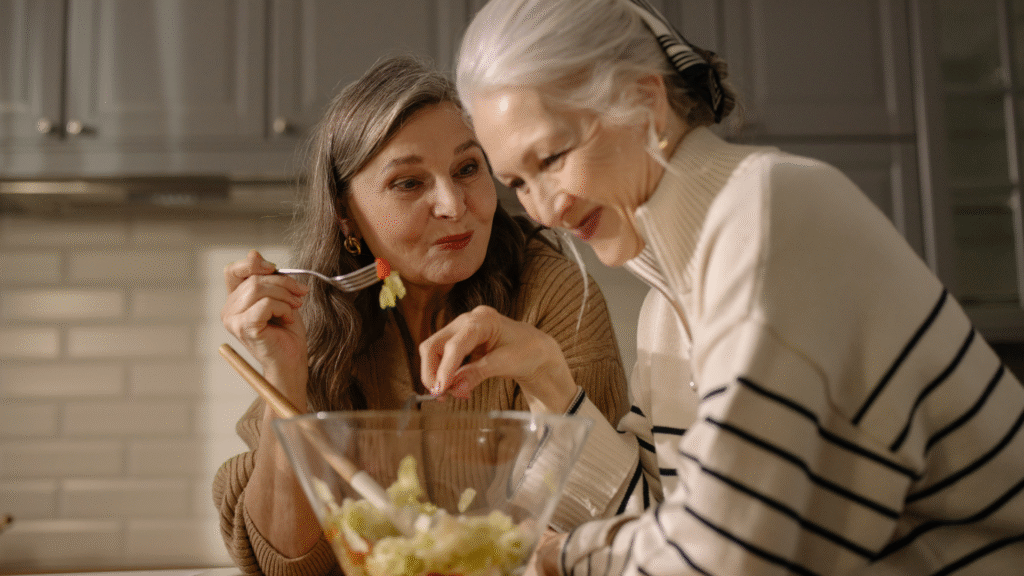
The DASH diet was originally designed to lower blood pressure but also benefits brain health. It includes a balance of vegetables, fruits, low-fat dairy, whole grains, lean protein, and limited sodium and sugar. This combination helps keep blood vessels healthy, ensuring steady blood flow to the brain—vital for concentration and cognitive sharpness.
Staying hydrated and reducing processed foods, added sugars, and saturated fats also supports mental clarity. Dehydration and poor nutrition can lead to fatigue, confusion, or mood swings in older adults.
For seniors, every meal is an opportunity to nourish not just the body, but the mind. By embracing a brain-friendly diet, it’s possible to feel more alert, emotionally balanced, and mentally agile—no matter your age.
Frequently Asked Questions
Q1: Why is goal-setting important after retirement?
A: Setting goals provides structure, motivation, and a sense of direction. It helps retirees stay active, focused, and emotionally engaged, giving them something to look forward to each day.
Q2: How can helping others benefit retirees?
A: Helping others—through volunteering, mentoring, or simply offering time and support—can boost self-worth, create social bonds, and provide a deep sense of contribution and connection.
Q3: How can I cope with grief in a healthy way?
A: Allow yourself to feel and express your emotions without judgment. Talk to supportive friends or family, consider joining a grief support group, or speak with a therapist.
Q4: What do senior centres offer besides social activities?
A: In addition to social gatherings, many senior centres offer exercise classes, educational programs, support groups, wellness screenings, and meals. They’re also a great source of local information and health resources.
Q5: Is it really possible to learn new things later in life?
A: Of course! The brain remains adaptable at any age thanks to neuroplasticity. Seniors can learn new skills with consistent practice and the right support—often more patiently and thoughtfully than younger learners.
Q6: Are there specific brain games made for seniors?
A: Absolutely. Many apps and websites offer brain training programs tailored for older adults, with games that adjust to your skill level and target specific functions like memory, attention, and reaction time.
Q7: Is tai chi suitable for older adults with limited mobility?
A: Yes. Tai chi involves slow, flowing movements that can be easily adapted. It’s low-impact, improves balance and flexibility, and also supports relaxation and mental focus—making it ideal for seniors of all ability levels.
Q8: Can I combine journaling with other mindfulness practices?
A: Absolutely. Many seniors pair journaling with meditation, deep breathing, or quiet reflection. These combined routines can create a calming, empowering start or end to the day.
Q9: What are some signs of depression in seniors that people often miss?
A: Seniors may not say they feel “sad.” Instead, they might show signs like fatigue, irritability, loss of interest in hobbies, changes in appetite, memory problems, or complaints of unexplained aches and pains.
Q10: What makes the Mediterranean diet good for the brain?
A: It’s high in omega-3 fatty acids, antioxidants, and anti-inflammatory foods. These nutrients help protect brain cells, support blood flow to the brain, and may slow down age-related memory decline.