
Support healthy aging after 60 with nutrient-dense foods that meet changing protein, vitamin, and hydration needs.

In This Edition
Protein Needs and Muscle Maintenance: Supporting Strength in Older Adults
Iron and Zinc: Adjusting to Changing Needs in Older Adulthood
Quality Over Quantity: How to Nourish More with Less
Foods That Support Gut Health: Fermented Foods, Prebiotics, and Probiotics
Overcoming Mealtime Hurdles: Smart Solutions for Senior Nutrition
Our Clinic Helps You Start Anew
The Role of Comprehensive Care in Preventing Relapse
Protein Needs and Muscle Maintenance: Supporting Strength in Older Adults
As we age, our bodies undergo natural changes that affect how we process nutrients, build tissue, and maintain muscle. One of the most important yet often overlooked dietary needs in later life is protein intake. While younger adults may get by with minimal adjustments, older adults need more protein to preserve strength, mobility, and independence. This is especially critical in preventing sarcopenia, the age-related loss of muscle mass and function.
Protein is the secret strength sauce for aging well.
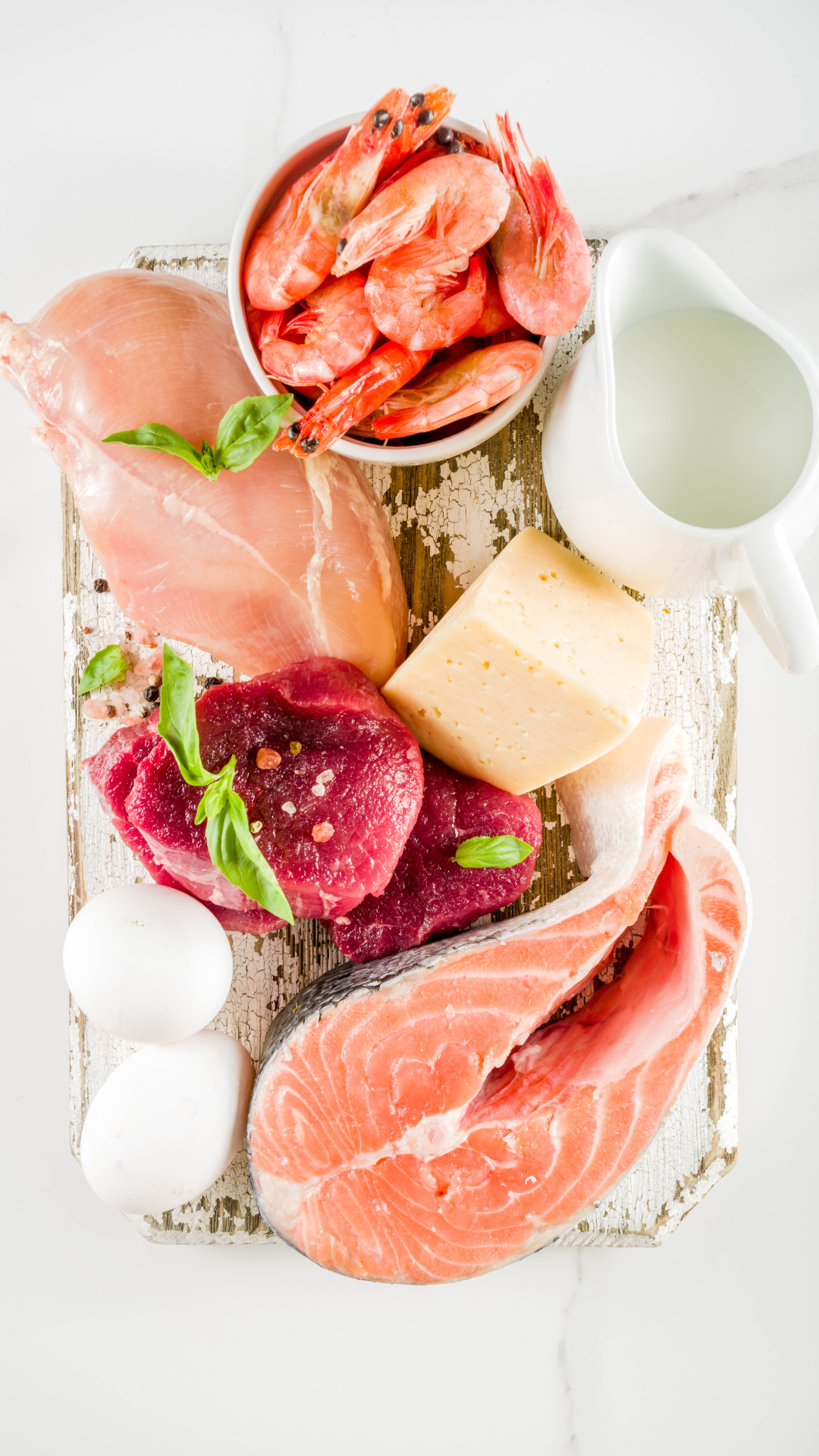
Research shows that adults over 60 often require 1.2–1.5 grams of protein per kilogram of body weight per day, significantly more than the standard 0.8 g/kg recommended for younger adults. For example, a 70 kg senior would benefit from 84–105 grams of protein daily. This increase helps counteract the body’s declining efficiency in using protein to build and repair muscle—a process called anabolic resistance.
Protein plays a crucial role in preserving lean muscle, which supports balance, joint stability, and daily activity. Without adequate intake, muscle loss can accelerate, increasing the risk of falls, fractures, and reduced mobility. Importantly, protein also supports immune function, bone health, and recovery from illness or injury—all vital for older adults.
To meet these needs, it’s best to spread protein intake evenly across meals rather than consuming it all at once. Including 20–30 grams of high-quality protein per meal—sources like eggs, dairy, poultry, fish, legumes, tofu, or protein-enriched foods—can help the body better absorb and use the nutrient.
In addition to diet, regular resistance or weight-bearing exercise further boosts muscle maintenance. When combined with adequate protein, physical activity can significantly improve muscle strength, endurance, and overall quality of life.
In short, prioritising protein isn’t just about fitness—it’s about staying functional, independent, and healthy in the long term. With thoughtful meal planning and a balanced lifestyle, older adults can meet their changing nutritional needs and age with greater strength and confidence.
Iron and Zinc: Adjusting to Changing Needs in Older Adulthood
As the body ages, its nutritional requirements evolve—especially for essential minerals like iron and zinc. These two micronutrients play critical roles in immune health, energy levels, wound healing, and cognitive function. However, their needs shift with age, particularly for women after menopause and for older adults with changing dietary habits or health conditions.
Iron is vital for oxygen transport in the blood and preventing anaemia. In premenopausal women, iron needs are high due to monthly blood loss. But after menopause, iron requirements typically decrease, as menstruation stops and the risk of iron overload increases. Postmenopausal women generally need around 8 mg of iron per day, compared to the 18 mg needed during menstruating years.
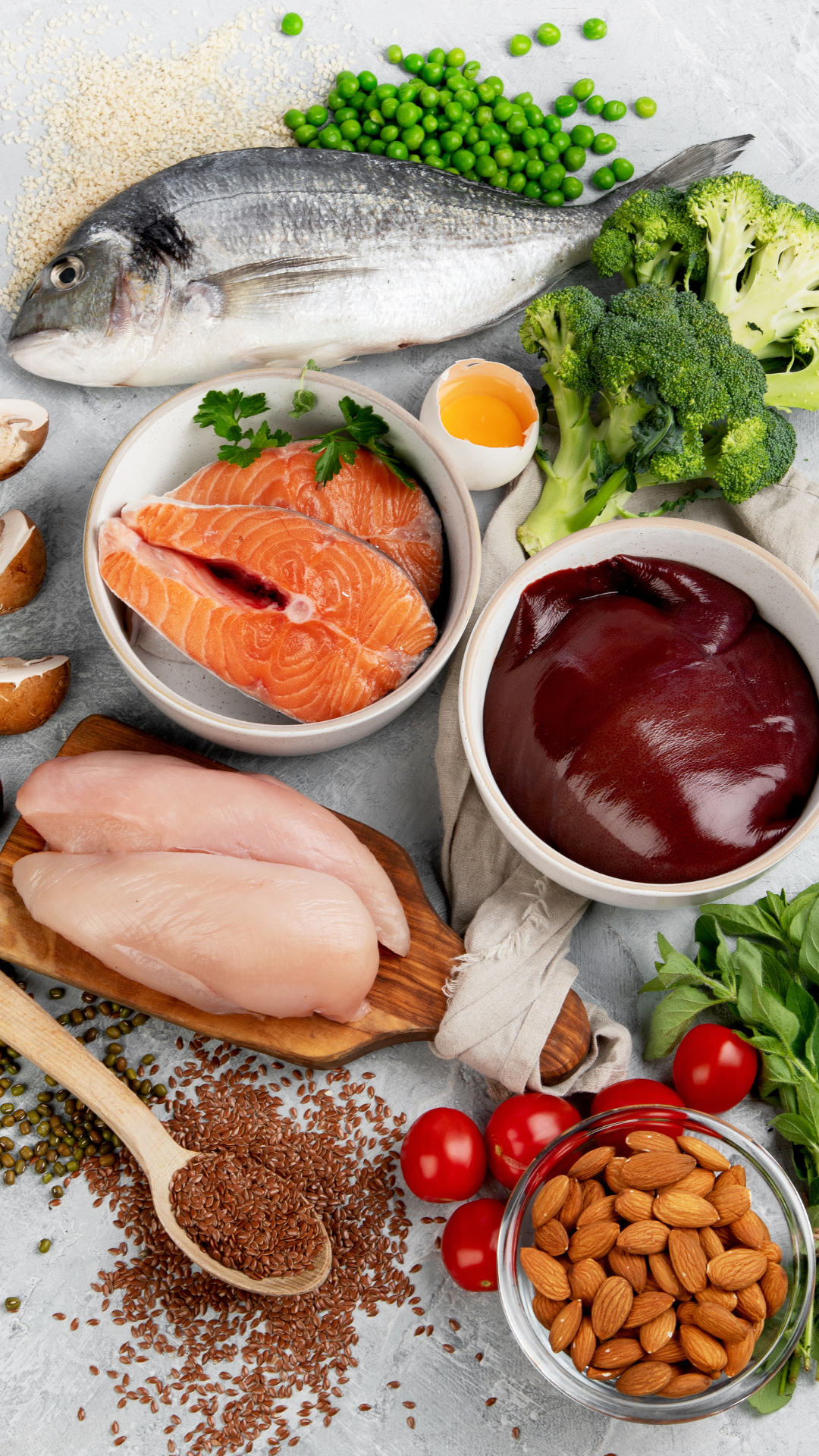

That said, some older adults may still experience low iron levels—especially those with chronic disease, low meat intake, gastrointestinal issues, or frequent use of certain medications (like antacids). Symptoms of deficiency include fatigue, pale skin, and shortness of breath. In these cases, it’s important to monitor iron status through blood tests rather than self-supplement, as too much iron can contribute to oxidative stress and damage organs.
Zinc, on the other hand, remains essential throughout life and may even become more important with age. This mineral supports immune function, wound healing, appetite, and taste perception—all of which can decline in older adulthood. Older adults are also at greater risk of zinc deficiency due to reduced absorption, lower dietary intake (especially in those who avoid red meat or shellfish), and certain medications that interfere with zinc metabolism.
The recommended daily intake of zinc for older adults is 8 mg for women and 11 mg for men, but individual needs may vary depending on health status and dietary choices. Good sources include lean meats, seafood, legumes, seeds, and fortified cereals. For those with dietary restrictions, a multivitamin containing zinc may be appropriate—but, as with iron, over-supplementation can cause side effects and interfere with the absorption of other nutrients like copper.
Ultimately, the key to managing iron and zinc needs in older age is balance—ensuring that the body gets enough to function optimally without overdoing it. Regular check-ups, a varied diet, and informed supplementation (if needed) can help support healthy ageing and resilience.
Quality Over Quantity: How to Nourish More with Less
As we grow older, our bodies undergo natural changes that affect how we use energy and nutrients. Metabolism slows down, muscle mass declines, and physical activity may decrease—all leading to reduced calorie needs. But while energy requirements drop, the demand for essential nutrients does not. In fact, it often increases.
Older adults burn fewer calories at rest due to a lower basal metabolic rate. Combined with less movement, this means the body requires less food overall. Yet the body still depends on key nutrients—like protein, calcium, fibre, and vitamins—to maintain muscle strength, bone density, immune function, and cognitive health.
This shift makes nutrient-dense foods more important than ever. These are foods packed with vitamins and minerals relative to their energy content. Prioritising them ensures every bite delivers value. For example, calcium and vitamin D help protect bones, vitamin B12 becomes harder to absorb with age, and fibre aids digestion. Protein also becomes critical in preventing sarcopenia, the age-related loss of muscle mass and function.
Eating less doesn’t mean eating poorly. It means eating smarter. Instead of filling up on foods high in sugar, salt, and unhealthy fats, focus on those that give you more—like vegetables, fruit, whole grains, lean proteins, legumes, and healthy fats. A meal of grilled salmon, spinach, and a few almonds can fuel the body more effectively than a large portion of processed food.
As appetite naturally shifts with age, making every meal count is key. Choosing quality over quantity supports energy levels, preserves independence, and promotes long-term health. Ageing well starts from within—and that means nourishing your body wisely, even as your calorie needs change.
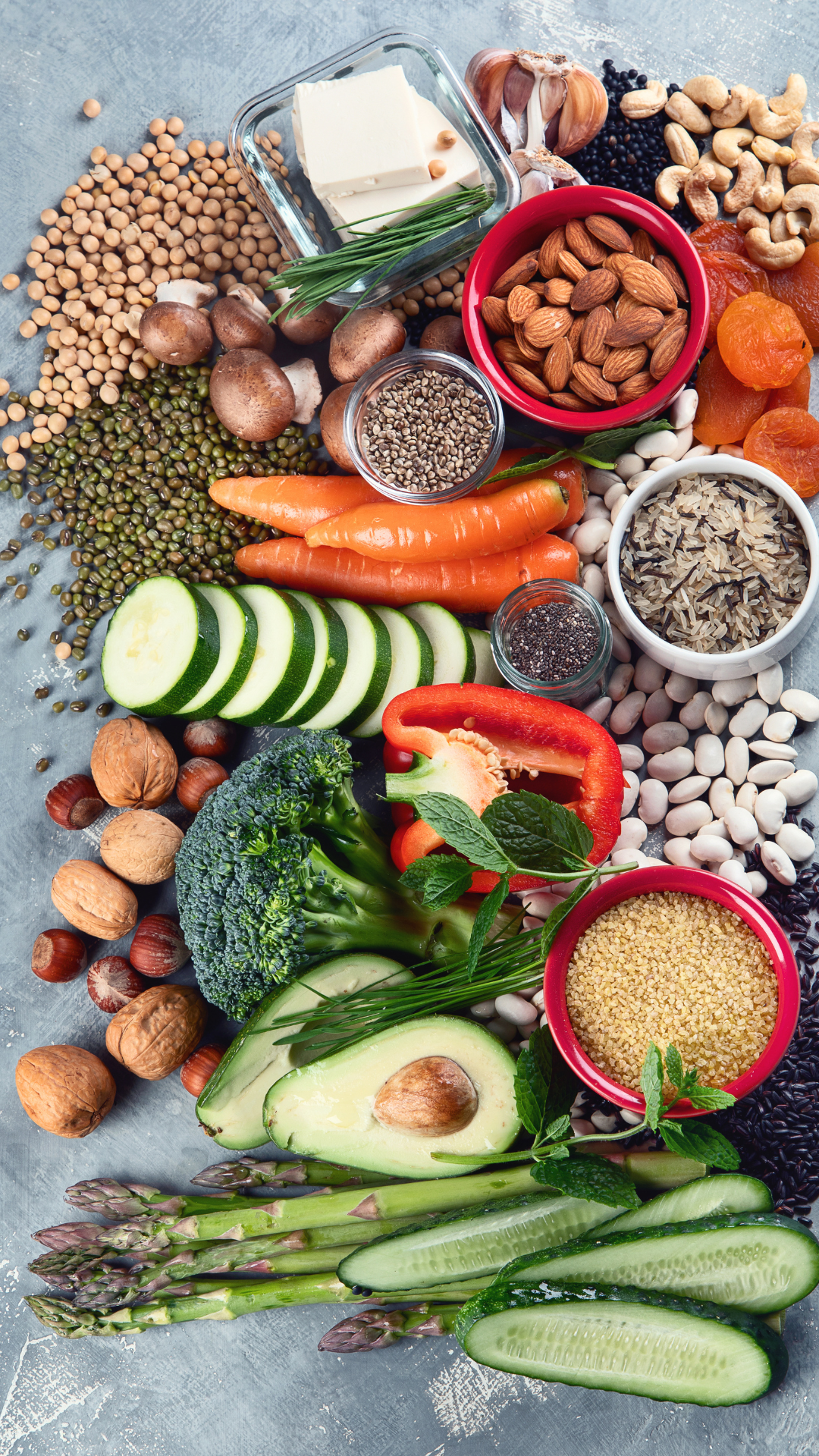
As we age and need fewer calories, choosing nutrient-dense foods becomes essential to maintain strength, health, and independence.
Foods That Support Gut Health: Fermented Foods, Prebiotics, and Probiotics
A healthy gut does more than just aid digestion—it plays a vital role in immunity, nutrient absorption, and even mood regulation. As we age, gut function can slow, and the diversity of beneficial bacteria in the digestive tract may decline. That’s why it’s especially important for older adults to support gut health through the foods they eat.
One of the best ways to nourish the gut is by consuming fermented foods. These foods, including yogurt with live cultures, kefir, kimchi, sauerkraut, miso, and tempeh, naturally contain probiotics—live beneficial bacteria that help maintain a balanced gut microbiome. Including a small portion of fermented foods daily can encourage the growth of good bacteria and improve digestive comfort.
Alongside probiotics, prebiotics are just as essential. Unlike probiotics, prebiotics are a type of fibre that feeds the healthy bacteria already present in the gut. Foods rich in prebiotics include garlic, onions, leeks, bananas, asparagus, oats, and chicory root. These fibres are not digested by the human body but serve as fuel for beneficial microbes, helping them thrive and multiply.
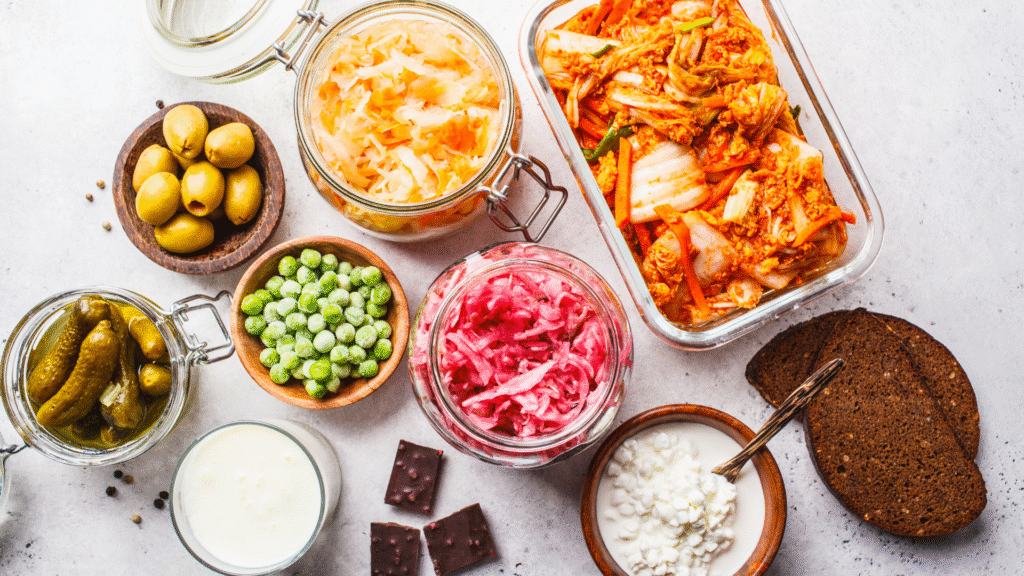
Probiotics and prebiotics work together to maintain a healthy digestive environment. When consumed regularly and in balance, they can help reduce bloating, support regular bowel movements, and strengthen the immune system. Some people also notice improved energy and mental clarity when their gut health is in good condition.
Hydration and a high-fibre diet also play supporting roles. Drinking enough water helps fibre do its job effectively, while fibre-rich foods like whole grains, fruits, and vegetables keep digestion moving smoothly.
Supporting gut health through food is a natural, gentle way to promote overall well-being, especially in later years. With a focus on fermented foods, prebiotics, and a fibre-rich diet, seniors can enjoy better digestion, stronger immunity, and a more comfortable, balanced body from the inside out.
Overcoming Mealtime Hurdles: Smart Solutions for Senior Nutrition
As we age, eating well can become more complicated. Many older adults face a range of physical and sensory challenges that make it harder to maintain a balanced diet. Appetite loss, taste changes, dental issues, and difficulty chewing or swallowing can all interfere with regular, enjoyable meals—yet nutrition remains just as important, if not more so, in the later stages of life.
A common issue is a reduced appetite. This can be caused by changes in metabolism, medication side effects, or a natural decline in hunger cues. Seniors may simply not feel as hungry as they once did, which can lead to unintentional weight loss or nutrient deficiencies. To address this, smaller, more frequent meals can be helpful. Nutrient-dense snacks such as yogurt, smoothies, nut butters, and soft cheeses can deliver essential vitamins and protein in manageable portions.
Changes in taste and smell also affect food enjoyment. Some people find food blander or notice a bitter or metallic taste due to medications. Cooking with herbs, citrus, or mild spices (while watching salt intake) can enhance flavour naturally without overwhelming the palate. Warm foods with varied textures and aromas can also stimulate appetite more effectively than cold or bland meals.
Dental problems and poorly fitting dentures can make chewing uncomfortable, leading seniors to avoid hard or crunchy foods. In this case, softer options such as stewed vegetables, ground meats, cooked grains, scrambled eggs, and soups can ensure good nutrition without discomfort. If chewing or swallowing is more severely impacted, pureed meals or high-nutrient drinks may be appropriate, with guidance from a healthcare provider or speech therapist.
Hydration is also crucial but often overlooked. A diminished sense of thirst or fear of incontinence may cause seniors to drink less, increasing the risk of dehydration. Including hydrating foods like fruits, soups, and herbal teas can help meet fluid needs in a more appealing way.
Eating should be nourishing, but also enjoyable and social when possible. Whether it’s through thoughtful meal planning, texture adjustments, or flavour enhancement, there are many ways to overcome the eating challenges that come with age—ensuring that food remains a source of health, comfort, and connection.

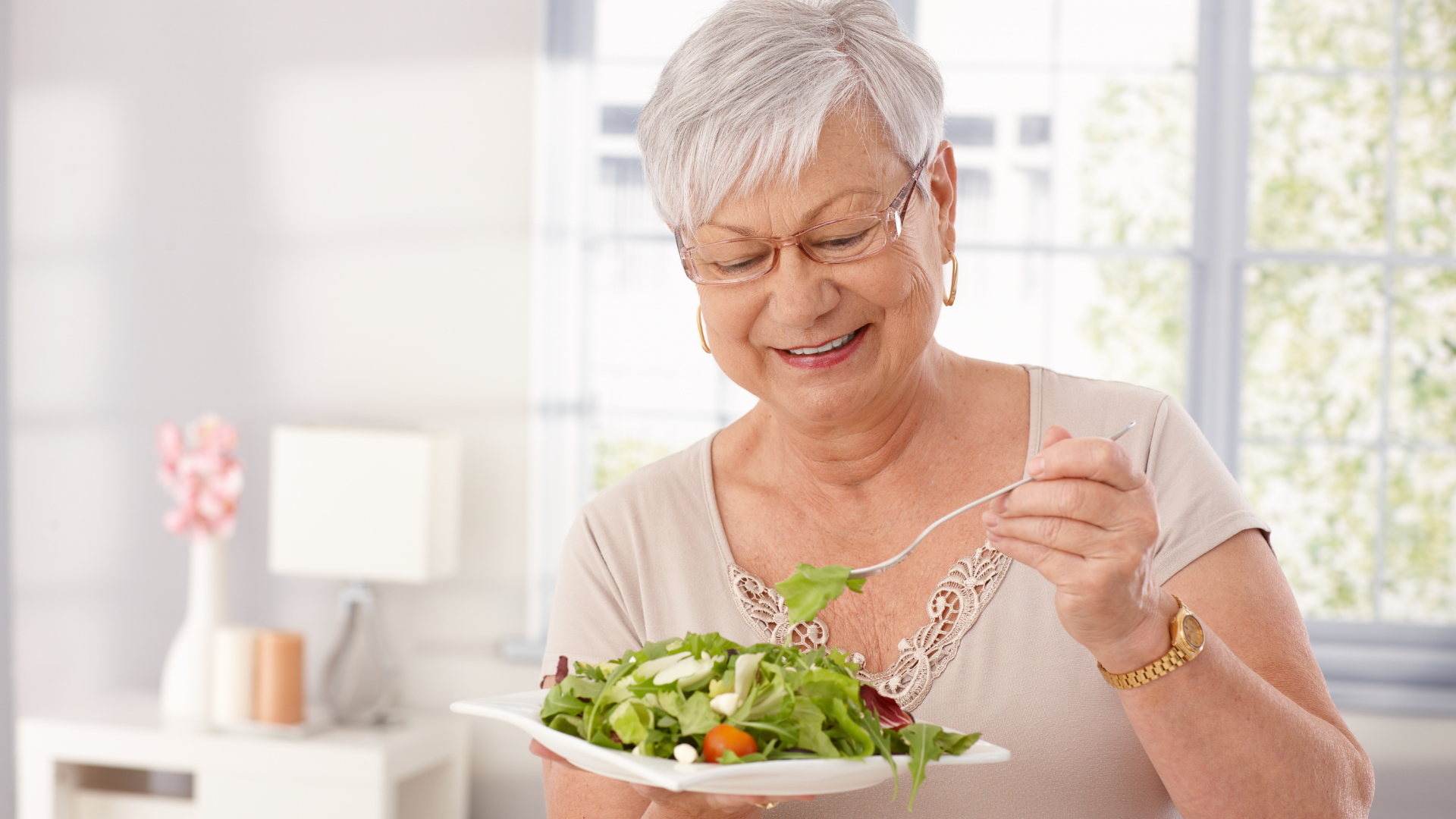
Smart strategies can help seniors eat well despite appetite, taste, or chewing challenges.